Ideology, Geopolitics, and the Battle for Legitimacy in the Horn of Africa
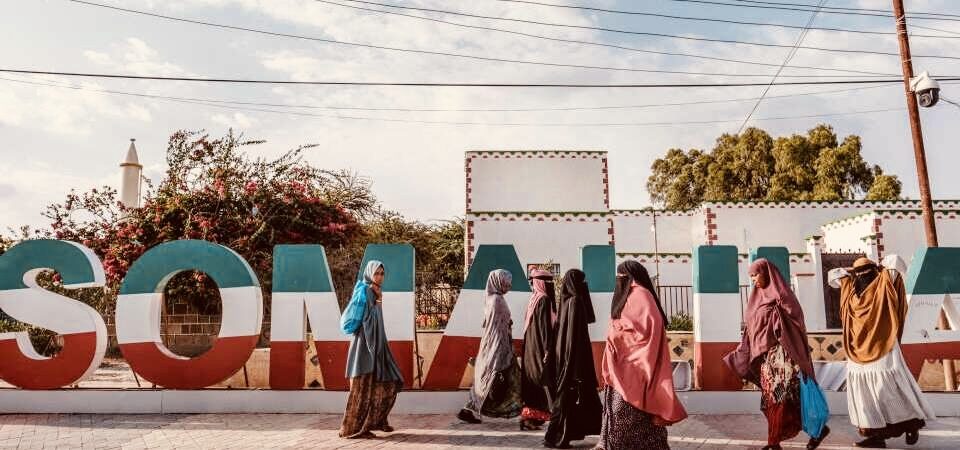
In the Horn of Africa, recognition is not merely a legal status it is a battlefield. As Somaliland celebrates Israel’s formal recognition, its opponents are mobilizing not tanks or diplomats, but ideology, sermons, and transnational networks determined to stop a state from being born.
Israel’s recognition of Somaliland has triggered jubilation in Hargeisa and fury among Islamist movements aligned with Mogadishu. A senior scholar from Somalia’s Al-I‘tisam movement condemned Somaliland for aligning with what he termed “the enemy of Allah” and “the party of Satan,” framing the recognition not as a diplomatic milestone, but as an act of apostasy.
This response is not isolated rhetoric. Salafist networks linked to Al-I‘tisam and Muslim Brotherhood–aligned clerics many operating from Nairobi have intensified propaganda portraying Somaliland as an illegitimate, foreign-backed project. The backlash exposes a deeper struggle: whether Somaliland’s quest for recognition will be decided by international law and geopolitics, or vetoed by ideological mobilization across the region.
This analysis examines the forces shaping Somaliland’s recognition prospects: ideological resistance, regional power politics, security calculations, and the quiet realignments that may determine whether recognition spreads or stalls.
The Islamist Narrative – Delegitimization as Strategy
The outrage from Al-I‘tisam is not primarily about Israel. It is about authority.
Islamist movements tied to Somalia’s political Islam ecosystem have long viewed Somaliland as an existential threat. A functioning, relatively democratic, non-Islamist Somali polity undermines their claim that political Islam is the only authentic path for Somali governance. Recognition would turn that ideological discomfort into a permanent defeat.
By framing Somaliland as aligned with “the enemy of Islam,” clerics seek to religiously criminalize statehood itself. This is a classic DE legitimization tactic: converting a political question into a theological red line. Once framed in religious terms, compromise becomes heresy, and recognition becomes betrayal.
The fact that many of these clerics operate from Nairobi is significant. Kenya has long hosted Somali political, religious, and media networks, making it a critical arena where narratives are manufactured and exported across the Horn. The escalation of propaganda now tests whether Kenya’s recent ban on the Muslim Brotherhood will be enforced in substance or remain symbolic.
Recognition Beyond Law – The Power of Narrative Warfare
Somaliland meets nearly every classical criterion for statehood: defined territory, permanent population, effective government, and capacity to enter foreign relations. Yet recognition has remained elusive for three decades.
Why? Because recognition is not only a legal process it is a political one, shaped by narratives.
Mogadishu and its allies have succeeded in portraying Somaliland’s recognition as a destabilizing precedent rather than a stabilizing correction. Islamist actors amplify this message by presenting Somaliland as a Western-Israeli outpost, a narrative designed to mobilize popular resistance across Muslim societies.
This is where propaganda becomes a strategic weapon. It aims not necessarily to stop Western recognition outright, but to raise the political cost for African, Arab, and Muslim-majority states considering engagement with Hargeisa. Silence, delay, and ambiguity become victories for Somaliland’s opponents.
Kenya, Nairobi, and the Test of Political Will
Kenya occupies a pivotal position in Somaliland’s recognition calculus.
Nairobi is simultaneously a security partner of Somaliland, a troop-contributing country in Somalia, and a host to Islamist networks hostile to Hargeisa. The recent ban on the Muslim Brotherhood raised expectations that Kenya would curtail ideological mobilization on its soil.
The current propaganda surge will reveal whether Kenya is prepared to confront these networks or tolerate them for the sake of domestic political balance and regional diplomacy.
If Kenya enforces its ban meaningfully restricting fundraising, media operations, and clerical mobilization it could quietly tilt the recognition environment in Somaliland’s favor. If it does not, Nairobi risks reinforcing perceptions that Somaliland’s opponents can operate with impunity, weakening Hargeisa’s diplomatic momentum.
This is not merely about Somaliland; it is about whether East African states can prevent ideological actors from hijacking regional geopolitics.
The Geopolitical Calculus – Why Recognition May Still Advance
Despite ideological resistance, Somaliland’s recognition prospects are stronger today than at any point since 1991.
First, the Red Sea has become a strategic corridor rather than a peripheral waterway. As global powers compete for ports, logistics hubs, and security footholds, Somaliland’s stability is no longer ignored it is valued.
Second, recognition no longer depends on Somalia’s consent alone. The fragmentation of Somali authority and the persistence of insecurity have weakened Mogadishu’s claim to speak for territories it does not govern.
Third, Israel’s recognition breaks a psychological barrier. Recognition tends to be contagious, not instantaneous. One state’s decision reframes the debate from whether Somaliland can be recognized to who will be next.
Finally, Islamist backlash itself may paradoxically strengthen Somaliland’s case. By revealing the ideological hostility embedded in opposition narratives, it underscores that resistance is not about Somali unity but about control, doctrine, and power.
Somaliland’s path to recognition is no longer frozen it is contested.
The reaction from Al-I‘tisam and Muslim Brotherhood-aligned clerics exposes the real battlefield: not courtrooms or summits, but legitimacy itself. Somaliland is not merely seeking flags and embassies; it is challenging an ideological order that thrives on statelessness and perpetual grievance.
Recognition will not come overnight. It will arrive unevenly, selectively, and amid resistance. But the foundations are shifting. As security, trade, and geopolitics begin to outweigh ideological vetoes, the question is no longer whether Somaliland deserves recognition but whether the region can afford to keep denying it.