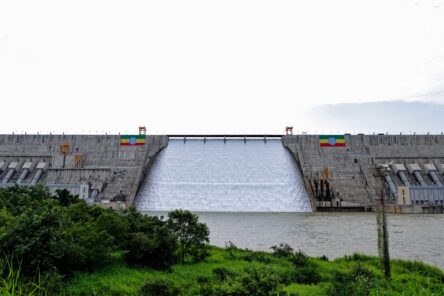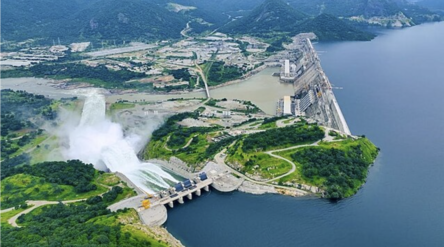
Ethiopia has announced an ambitious infrastructure program worth 30 billion dollars, with a mega nuclear power plant at the center of its energy strategy. The announcement was made during the inauguration of the Grand Ethiopian Renaissance Dam (GERD), a symbol of the country’s long-term vision for energy independence and regional influence.
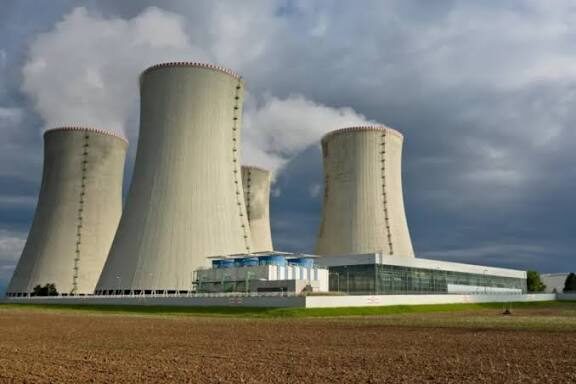
The nuclear project aims to deliver two large units with a combined capacity of about 2,400 megawatts between 2032 and 2034. Smaller and more flexible Small Modular Reactors are also under consideration. Prime Minister Abiy Ahmed stated that preparatory work has already begun, emphasizing that the plant will be used solely for peaceful purposes. According to him, the scale of the project will rival that of the GERD.
The plan builds on a 2017 agreement between Ethiopia and Russia, which laid the groundwork for cooperation on nuclear development. Earlier this year, Ethiopia’s ambassador to Russia, Genet Teshome Jirru, confirmed that discussions to expand energy cooperation remain active.
Ethiopia currently has an installed capacity of about 5,200 megawatts, much of it generated from hydropower. Yet this only serves a little over half of the population. Demand for electricity is growing by roughly 20 percent each year, putting pressure on the government to diversify energy sources. While nearly 90 percent of electricity today comes from hydropower, with wind and thermal making up the rest, the country’s renewable energy potential is far greater. The International Trade Administration estimates that Ethiopia could generate more than 60,000 megawatts from hydro, wind, solar, and geothermal resources.
The GERD alone, with its ability to produce over 5,000 megawatts, has already transformed Ethiopia’s position in the regional energy landscape. Adding nuclear power to this mix would significantly expand capacity and reinforce the government’s push for long-term energy security.
Beyond nuclear power, the 30 billion dollar plan also includes the construction of an oil refinery,
two natural gas facilities, and a new international airport designed to handle up to 60 million passengers annually. Ethiopian Airlines has already signed a design agreement for the four-runway complex, which will be located in Bishoftu, southeast of Addis Ababa. The African Development Bank has committed up to 500 million dollars to support the project, which is set to be the largest airport in Africa once completed.
The gas facilities will be built in phases, with the first plant expected to break ground in the coming weeks and a much larger facility to follow. Plans for the oil refinery are also underway, reflecting the government’s intent to develop a broad energy infrastructure that can meet both domestic and export demands.
This sweeping initiative reflects Ethiopia’s recognition of the need to address its growing population’s energy needs while positioning itself as a hub for regional trade, transport, and industry. The nuclear power project, in particular, marks a new chapter in the country’s pursuit of technological advancement and energy self-reliance.