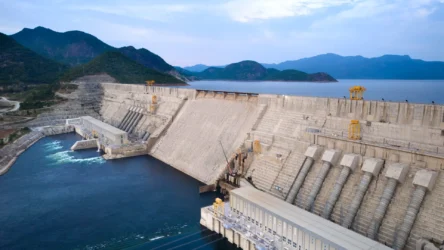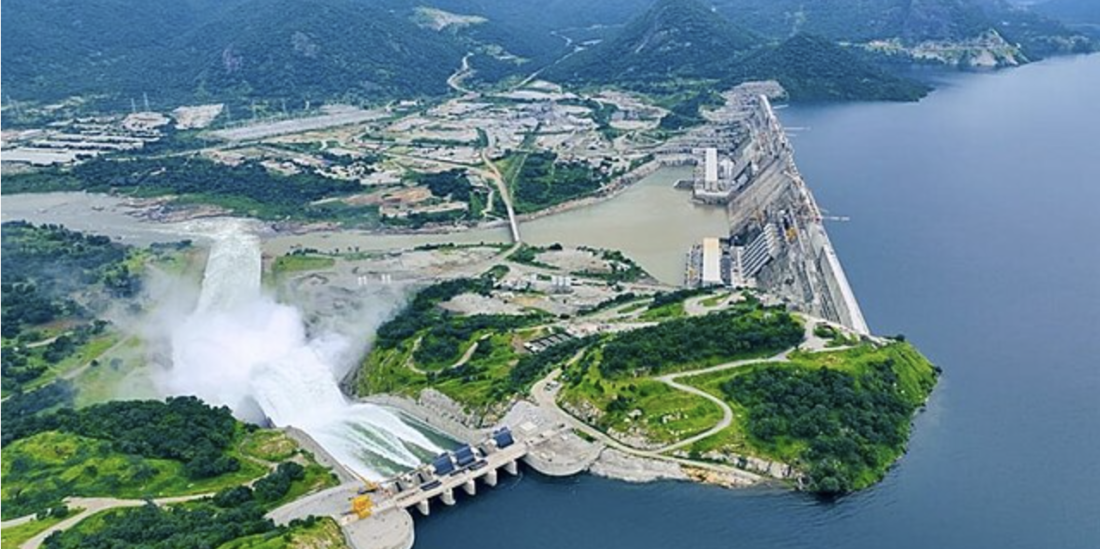
Nine months after Egypt walked away from GERD negotiations in July 2025, calling them a “dead end,” the Nile dispute has evolved into a stark contest of strategies. Cairo opted for diplomatic isolation and regional footholds. Addis Ababa chose unilateral development and persistent sovereignty assertions. The result: heightened tension without direct clash, as Ethiopia continues building facts on the ground while Egypt tightens its strategic net.Egypt’s playbook: Encirclement and pressure
Cairo upgraded ports in Djibouti (Doraleh) and Eritrea (Assab) with warship berths and small military presences, aiming to control Ethiopia’s trade arteries. It deepened its Somalia alliance, deploying over 1,000 troops under the AU mission positioned near Ethiopian areas and backed Mogadishu’s rejection of Ethiopia’s Somaliland port deal. Diplomatically, Egypt lobbied the UN Security Council, coordinated with Sudan, engaged the EU, and financed upstream projects in Uganda to broaden anti-unilateral sentiment. The goal: raise Ethiopia’s costs.
Ethiopia treated the GERD as a done deal. In September 2025 it inaugurated the completed dam in a high-profile ceremony, declaring it a sovereign achievement for energy and regional integration. Full operations continued uninterrupted. In late March 2026, Addis Ababa announced plans for three additional ABAY or Blue Nile dams Karadobi, Mabil, and Mendaya with a combined investment around $3.5 billion and over 10 GW capacity. Officials framed this as legitimate development, not provocation, and offered electricity exports as a goodwill gesture during U.S. mediation signals from President Trump in January 2026.On maritime ambitions, Ethiopia refused to abandon its Red Sea goals. The 2024 Somaliland MoU granting port and naval access in exchange for recognition—faced setbacks after Turkish-brokered talks with Somalia, yet Ethiopian officials and media kept the door open into early 2026, with reports of revived quiet negotiations. Addis Ababa dismissed Egypt’s port deals and Somalia deployments as “destabilising interference,” while maintaining its own troops in the AU Somalia mission and rejecting any Egyptian military presence as a threat to regional balance.
Diplomatically, Ethiopia countered with rebuttals rather than escalation. It submitted detailed UN responses labeling Egypt’s stance a “colonial mindset,” stressed equitable Nile use under the Cooperative Framework Agreement, and highlighted data showing GERD actually moderates floods downstream. No new military alliances mirrored Egypt’s moves; instead, Addis Ababa focused on energy diplomacy and domestic resilience.
Egypt has built a web of influence to constrain Ethiopia’s options. Ethiopia has treated that web as irrelevant to its core rights, pushing ahead with hydropower expansion and sea-access persistence. The GERD is now operational; more dams are in the pipeline. Sea ambitions remain unresolved but unrenounced. Nine months in, neither side has forced compromise. Egypt’s “securitised” alliances raise proxy risks in Somalia and the Horn. Ethiopia’s unilateral infrastructure asserts long-
term leverage but invites further isolation. Analysts warn the real test will come if new dams accelerate or if Somaliland talks revive, potentially turning diplomatic pressure into sharper regional friction. For now, the chessboard remains tense: Egypt encircles, Ethiopia advances. The Nile’s next chapter hinges on whether either blinks before 2027.