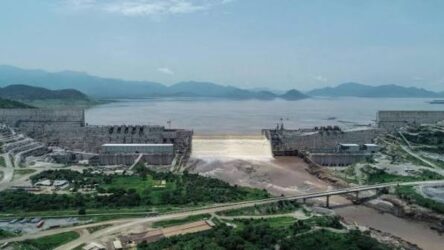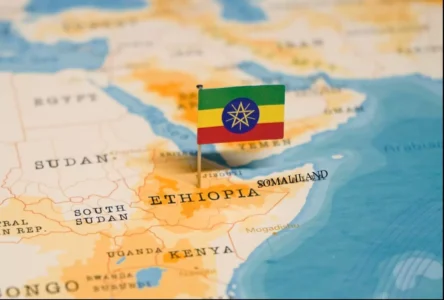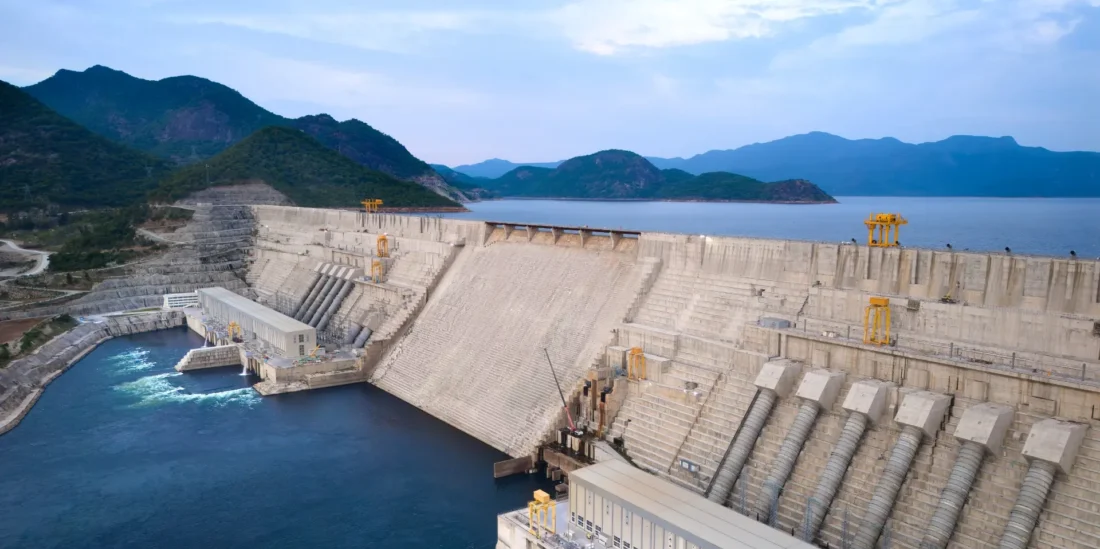
Ethiopia’s national interest must remain the uncompromising guide in managing the Blue Nile. The successful inauguration of the Grand Ethiopian Renaissance Dam (GERD) in September 2025 marked a historic affirmation of Ethiopian sovereignty over its water resources. Now, as plans advance for the Karadobi, Mandaya, and Beko Abo hydropower projects, Addis Ababa must continue prioritizing electricity generation, economic growth, and energy security for its people above external pressures that seek to constrain legitimate development.
For decades, Ethiopia has lived with the paradox of being the source of the Blue Nile contributing the vast majority of the Nile’s waters while millions of its citizens lacked reliable electricity. Hydropower is not a luxury; it is a developmental necessity. Expanding generation capacity addresses chronic energy shortages that hinder industry, agriculture, education, and healthcare. The three proposed dams, with a combined potential of approximately 5,700 megawatts, represent a logical continuation of the GERD’s mission.
They will strengthen Ethiopia’s power grid, enable industrial expansion, and support the export of surplus electricity, generating revenue and fostering regional interdependence on Ethiopian terms.Egyptian concerns, centered on water security and demands for binding operational rules, drought management protocols, and information sharing, cannot override Ethiopia’s sovereign right to utilize resources within its territory.
The Nile is not Egypt’s exclusive property. Colonial-era arrangements that allocated the river’s waters without Ethiopian consent hold no legitimacy for a modern African nation. Ethiopia has consistently demonstrated that hydropower dams designed primarily for electricity generation can operate without catastrophic reductions in downstream flows when managed responsibly. As experts note, smaller-scale or power-focused facilities need not significantly diminish volumes reaching Sudan and Egypt, especially when filling and release schedules account for seasonal variations.The GERD experience itself proved the limits of external obstruction.
Despite years of diplomatic campaigns, international lobbying, and appeals to the United Nations Security Council, Egypt could not halt construction of a nearly $5 billion project financed largely by Ethiopians themselves. That outcome was not accidental; it reflected Ethiopia’s determination to place national development first. The same resolve must guide the next generation of Blue Nile projects. Attempting to grant downstream states a veto over upstream infrastructure would surrender Ethiopia’s agency and perpetuate underdevelopment.Sudan’s position further illustrates the need for Ethiopian leadership rather than deference.
Khartoum stands to benefit from more regulated flows and potential access to Ethiopian electricity. Transparency and data sharing can build confidence, yet these measures must remain voluntary tools of cooperation, not instruments of control imposed on Ethiopia. Sudan’s internal challenges limit its capacity to act as a consistent partner, reinforcing that Ethiopia cannot condition its development on the political stability or preferences of neighbors.National interest also demands strategic patience and technical excellence.
Projects must be designed with rigorous environmental and hydrological studies, optimized for power output while minimizing unnecessary storage that could heighten tensions. Operating rules should prioritize Ethiopia’s energy needs during dry periods while allowing reasonable downstream releases. This approach transforms potential conflict into managed coexistence. Regional stability is best served when upstream nations are prosperous and energy-secure, not when they remain constrained by downstream vetoes.
Critics frame new dams as inherent threats. In reality, they are engines of progress. Ethiopia’s population continues to grow, and its economy requires reliable power to industrialize and create jobs. Denying this path in the name of preserving the status quo for Egypt would condemn generations of Ethiopians to poverty an outcome no responsible government can accept.
Equitable utilization, not historical privilege, must define Nile governance. Ethiopia has already shown through the GERD that it can build, fill, and operate major infrastructure while the river continues to flow downstream.Looking ahead, Addis Ababa should deepen technical capacity, pursue diversified financing, and engage selectively with international partners who respect sovereignty.
Diplomatic outreach can continue, but negotiations must never become a pretext for delay. The focus remains clear: maximize the Blue Nile’s contribution to Ethiopian electricity, growth, and resilience. When Ethiopia thrives, the entire basin gains from a stronger, more stable partner.In prioritizing its national interest, Ethiopia asserts a fundamental principle of international relations: every state has the right to develop the resources within its borders for the benefit of its people. The Karadobi, Mandaya, and Beko Abo projects embody that principle. Just as the GERD reshaped the geopolitical landscape, these dams will further entrench Ethiopia’s role as a responsible steward of the Blue Nile—guided first and always by the needs of its own citizens