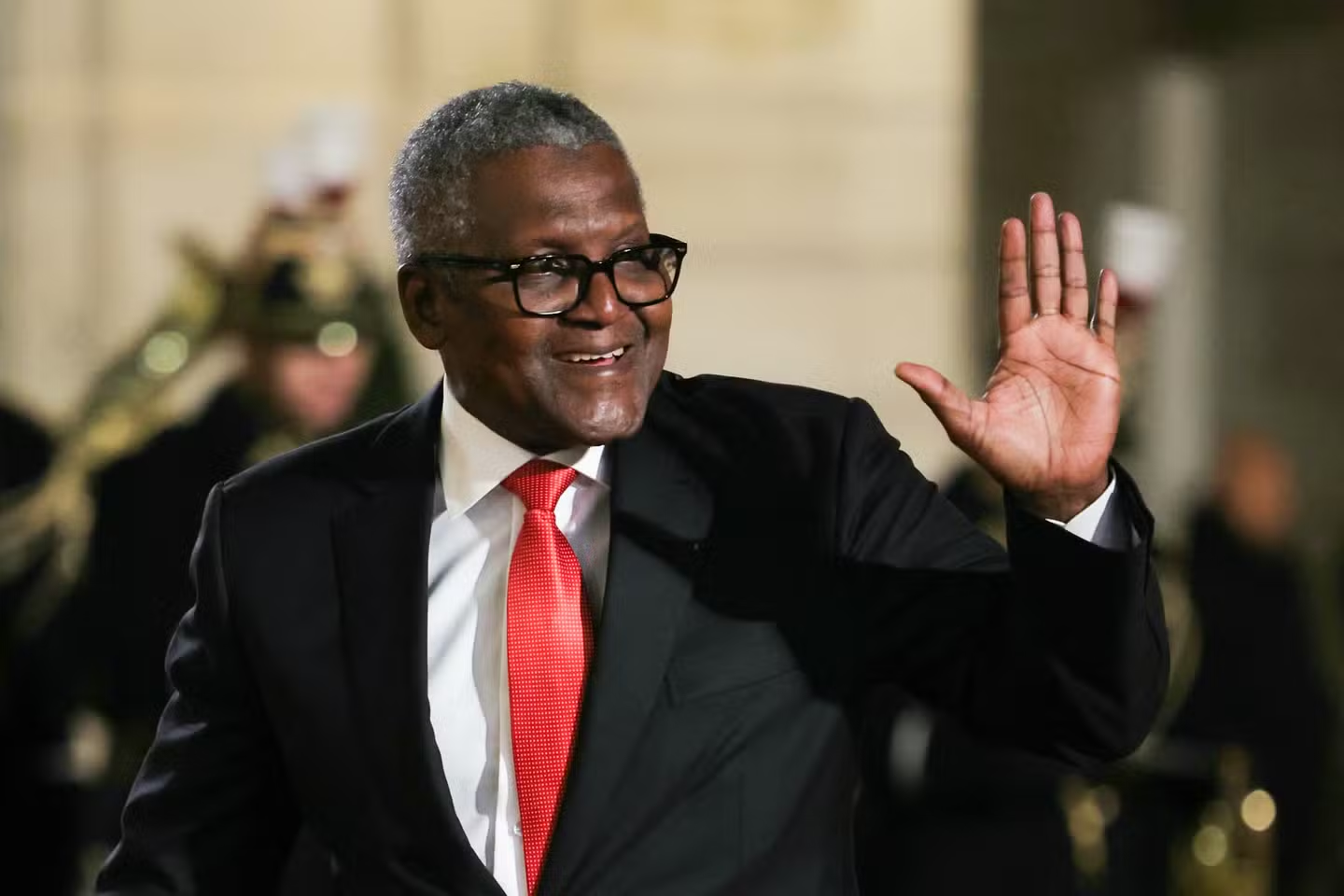
Africa’s richest man, Nigerian billionaire Aliko Dangote, has announced a landmark investment in Ethiopia that could reshape the country’s agricultural and economic landscape. Following his success in opening a massive oil refinery in Lagos, Dangote has turned his attention to the Horn of Africa, unveiling plans for one of the continent’s largest fertilizer plants.
The $2.5 billion project will be located in Gode, a rural area in southeastern Ethiopia. According to the shareholder agreement, Dangote Group will hold a 60 percent stake while the Ethiopian government will retain 40 percent ownership. The plant is expected to reach an annual production capacity of three million tons of urea within three years, placing it among the five largest fertilizer facilities in the world.
For Ethiopia, the significance of this investment extends beyond industrial capacity. Agriculture remains the backbone of the nation, employing 60 percent of the population and contributing more than 30 percent of GDP. Despite the sector’s importance, farmers face persistent challenges, including limited access to fertilizers that are currently imported at high costs. Ethiopia’s landlocked position and shortage of foreign currency further compound these difficulties, constraining productivity and leaving food security vulnerable.
The establishment of a domestic fertilizer plant promises to ease these burdens. By reducing reliance on imports, Ethiopia can save vital foreign currency reserves while ensuring more affordable and reliable access to inputs for its farmers. This, in turn, has the potential to increase agricultural yields, stabilize food supplies, and support broader economic growth. The project also signals confidence from one of Africa’s most prominent investors in Ethiopia’s future, even as the country continues to grapple with poverty reduction and developmental challenges.
Dangote has repeatedly emphasized his ambition to industrialize Africa, and the Ethiopian plant fits squarely within that vision. If completed as planned, it could become a cornerstone of Ethiopia’s efforts to modernize agriculture, enhance self-sufficiency, and strengthen its balance of payments. At the same time, it demonstrates how cross-border investments within Africa can foster shared growth and cooperation.
The fertilizer plant in Gode is not just an industrial project. It represents a critical step in Ethiopia’s pursuit of food security, economic resilience, and sustainable development. Its success will be closely watched across the continent, as Ethiopia positions itself at the intersection of agriculture and industrial transformation.