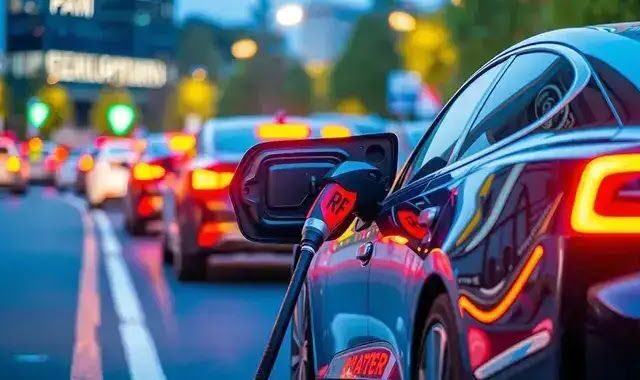
Ethiopia has emerged as one of the most unexpected leaders in the global electric vehicle transition. In a country long defined by chronic power shortages, frequent blackouts, and fuel scarcity, the government has taken the radical step of banning the import of petrol and diesel cars altogether. The shift is transforming not only the streets of Addis Ababa but also the way the nation imagines its economic and environmental future.
For many Ethiopians, the move is a relief from years of fuel crises. Long queues at petrol stations, sometimes lasting several hours, were once an unavoidable part of daily life. Today, more than 115,000 electric vehicles operate in the country, out of a total fleet of 1.5 million. The government hopes to raise that number to 500,000 by 2030. Most of these vehicles are Chinese-made, particularly by BYD, though Western brands are also present. Drivers cite cost savings and convenience as the clearest benefits. One taxi driver who used to spend 20,000 birr each month on fuel now spends less than 3,000 birr to recharge his car.
The transformation has been enabled by Ethiopia’s vast hydropower resources, particularly the long-awaited Grand Ethiopian Renaissance Dam. With a maximum capacity of 5,150 megawatts, the dam has doubled the nation’s electricity output, almost all of which comes from renewable hydropower. This abundance of cheap, green energy has made the transition to EVs economically attractive while reducing the strain of fuel imports, which once cost the country $4.5 billion annually.
The shift to electric mobility is also motivated by health and environmental concerns. Addis Ababa has suffered from heavy traffic-related pollution, but cleaner vehicles now offer a chance to improve urban air quality. Government officials argue that EVs are not only a climate solution but also a way to conserve foreign exchange reserves, create jobs, and promote local manufacturing. Assembly plants on the outskirts of the capital are already putting together imported electric minibuses, an early step toward building domestic capacity.
Yet the rapid transition is far from seamless. Ethiopia has only about 100 charging stations, almost all of them concentrated in the capital, far short of the 2,300 the government has set as a target. Outside Addis Ababa, EV ownership remains impractical, with rural areas still struggling with limited or unreliable access to the grid. Drivers complain that road trips are impossible since there is no charging network beyond the city. Many also remain wary of battery durability and long-term resale value.
The economic gap is another hurdle. Even with tax exemptions, the cost of an electric car is beyond the reach of most households. A BYD model sells for around 2.2 million birr, while a doctor may earn less than 4,000 birr a month. Nevertheless, the distorted secondhand market for petrol cars, once inflated by tariffs of 200 percent, means that EVs are not entirely out of reach for Ethiopia’s growing middle class.
Despite these challenges, optimism is growing. What was once seen as a reckless experiment now appears to be a bold strategy that could place Ethiopia ahead of many wealthier nations in embracing sustainable transport. If the government can expand the grid, increase charging infrastructure, and support local production, Ethiopia may prove that even a country long defined by shortages can lead in building a cleaner, more resilient future.