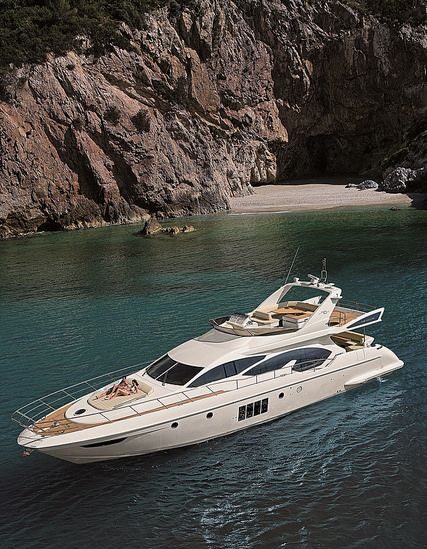
Ethiopia has taken a significant step to unlock the economic potential of its lakes by allowing motorboats to be imported duty-free for one year. This policy, issued by the Ministry of Finance, aims to stimulate tourism, support local economies, and promote sustainable development along the country’s waterways. With more than 20 major lakes, including Lake Tana, Lake Ziway, and Lake Langano, Ethiopia possesses natural resources that remain largely underutilized. By easing the cost of acquiring modern boats, the government intends to encourage investment in tourism, fishing, transport, and research activities, ultimately creating new sources of income for communities living near the lakes.
The directive is grounded in Article 129 of Customs Proclamation No. 859/2006, which provides legal authorization for temporary duty-free privileges. Both businesses and individuals engaged in economic activities related to lakes can now import a wide range of motorboats without paying taxes or import duties for a full year. Eligible watercraft include small and medium-sized boats for short-distance travel and community transport, speedboats for tourism and emergency response, open or partially covered boats for leisure cruises, passenger ferries, research and survey vessels, as well as solar-powered and electric boats that align with Ethiopia’s commitment to environmentally friendly solutions. Private individuals are also able to benefit from the directive, opening opportunities for recreational boating and investment in eco-tourism.
Officials emphasize that the initiative is more than a temporary tax incentive. By promoting modern boats, the government seeks to accelerate the growth of lake tourism, create employment, and diversify rural economies. The inclusion of solar and electric boats demonstrates an effort to protect fragile aquatic ecosystems while fostering sustainable economic development. Analysts suggest that duty-free motorboats could spark new business opportunities ranging from guided eco-tours and water sports to improved transportation between lakeside towns. If supported by infrastructure development and careful environmental management, the policy has the potential to transform Ethiopia’s lakes into thriving economic hubs and enhance the country’s reputation as a premier eco-tourism destination in Africa.