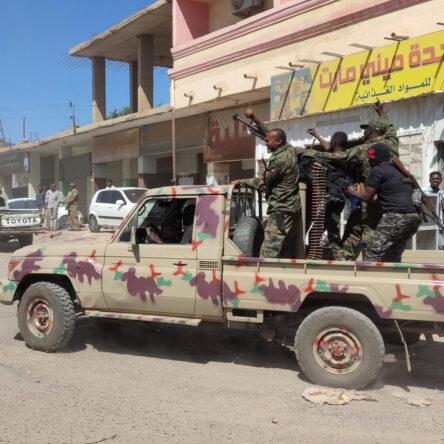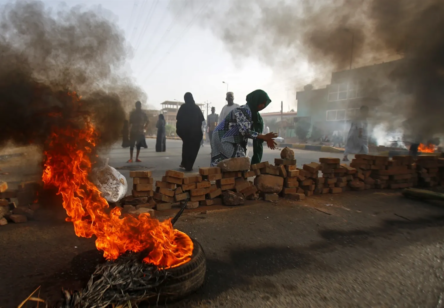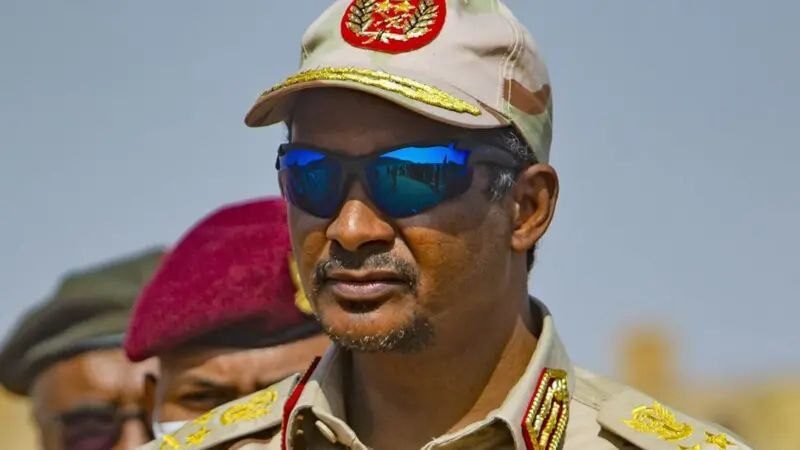
After two years of relentless warfare that turned cities into graveyards, Sudan’s most powerful warlord has unilaterally declared a truce.But his rival’s response was immediate and brutal: rejection and accusations. This stark divide between the two generals who pushed a nation into collapse reveals a painful truth—even a chance for peace is now a weapon in Sudan’s devastating civil war.
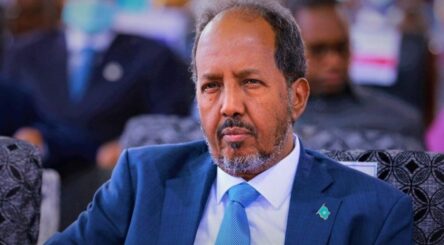
On November 24, 2025, Rapid Support Forces (RSF) commander Mohamed “Hemetti” Daglo announced a three-month humanitarian truce, promising safe aid corridors and civilian protections. Within hours, Sudanese Armed Forces (SAF) leader Abdel Fattah al-Burhan dismissed it as the “worst yet” proposal, accusing the United States of dictating terms like a colonial power.
Why Now?
The timing of Hemetti’s truce offer reveals strategic calculations on both sides, driven by exhaustion and external pressure. For the RSF, the ceasefire represents an opportunity to consolidate territorial gains while addressing growing international isolation. Despite controlling approximately 60% of Sudan’s territory, including most of Darfur and Kordofan, the paramilitary force faces supply line challenges and increased scrutiny over documented atrocities. The truce allows them to rebrand as cooperative actors while maintaining their military position.
For General al-Burhan and the SAF, rejection serves multiple purposes. It reinforces their narrative as defenders of state sovereignty against what they term a “foreign-backed militia.” More pragmatically, it buys time to regroup forces and secure additional support from key allies Egypt and Saudi Arabia, who view the RSF with deep suspicion.
International Powers in Play
The truce emerges from the “Quad” framework a diplomatic initiative involving the United States, Saudi Arabia, the United Arab Emirates, and Egypt that represents competing interests rather than unified purpose.
The UAE, long accused of supplying the RSF through Chad and Libya, sees the paramilitary force as a counter to Islamist influence and a protector of its regional interests. Egypt, supporting the SAF, fears RSF dominance could threaten its Nile water security and Red Sea strategy. Saudi Arabia seeks stability to protect its investments, while the U.S., under the returned Trump administration, pursues a transactional diplomacy that prioritizes deal-making over human rights concerns.
This complex web of international interests means the truce is less about Sudanese welfare and
more about balancing external powers’ competing agendas.
The Humanitarian Catastrophe 18 Million Lives in Balance
Behind the diplomatic maneuvering lies one of the world’s most severe humanitarian crises, where this truce could mean life or death for millions.
Sudan now accounts for the largest displacement crisis globally, with 18 million people forced from their homes and 25 million facing acute hunger. Famine conditions have emerged in RSF-besieged areas like Khartoum, while cholera outbreaks and widespread malnutrition threaten a generation.
The three-month pause theoretically allows vital aid to reach populations that have been cut off from assistance for months. However, past ceasefires have collapsed within days, with aid convoys coming under fire from both sides. The proposed monitoring mechanism drawing on UN models from South Sudan faces enormous challenges in a country where trust between warring factions is nonexistent.
The Structural Barriers: Why Peace Remains Elusive
Several fundamental obstacles make a sustainable peace agreement unlikely in the current framework.
First, the economic incentives for continued conflict remain powerful. Both sides profit from the war economy the RSF through control of gold mines and smuggling routes, the SAF through official export channels and military aid. Second, the issue of military integration remains unresolved, with neither side willing to subordinate their forces to the other. Third, the exclusion of civilian groups from negotiations ensures that any agreement will lack the popular legitimacy needed for long-term stability.
Most critically, the culture of impunity persists. With both commanders facing potential International Criminal Court investigations for atrocities, they have little incentive to end a conflict that keeps them in power and out of the courtroom.
The November truce represents both a fleeting opportunity and a dangerous illusion. It offers a temporary respite for suffering civilians but fails to address the fundamental power struggle that ignited this conflict.
As diplomatic efforts intensify ahead of December’s IGAD summit, the critical question remains: can the international community transform this tactical pause into a genuine peace process, or will Sudan’s warring generals simply use the breathing space to rearm and regroup for the next round of
fighting?
The world has watched for two years as Sudan burned. Now it must decide whether to fuel the flames or finally help extinguish them.