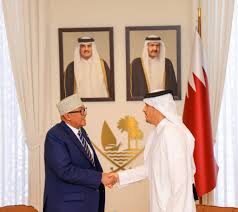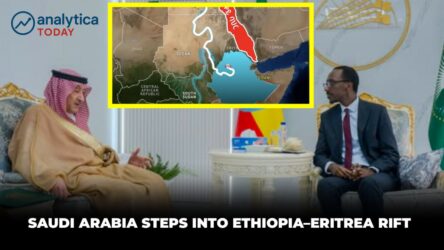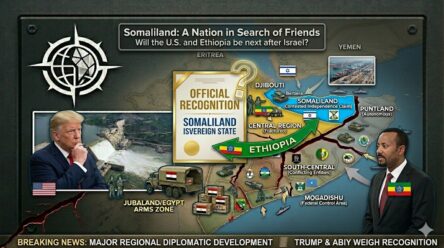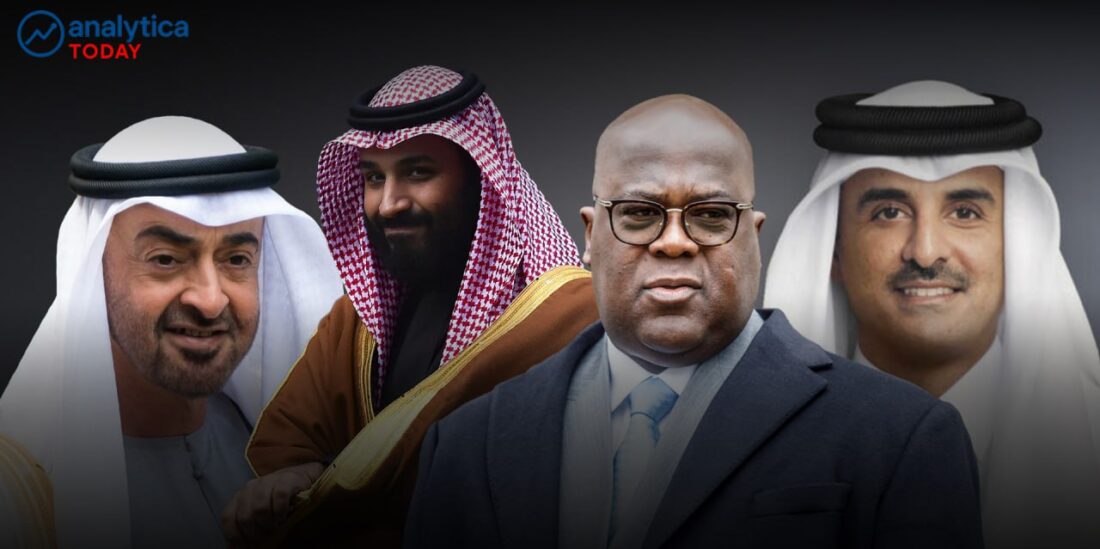
This weekend’s pictures told a story: Qatar’s emir in Kinshasa days after meetings in Kigali, as Doha’s sovereign fund moved to lock in new critical-minerals partnerships across Central Africa. It’s not just a tour, it’s a marker of how Gulf and near-Gulf powers are redrawing influence in Africa through cash, ports, security ties, and, increasingly, carbon and land. Call it the new scramble by spreadsheets. Doha pledges multi-billion investment pipelines—from energy to copper and cobalt—while brokering talks in conflict zones. Abu Dhabi blends logistics, finance and security partnerships from the Sahel to the Red Sea. Riyadh channels capital into tech and infrastructure. Turkey trains and equips forces on the Horn; Iran slips in with drones and deals where vacuums emerge.
The headline is money, but the subtext is leverage and where rivalries collide, conflicts and corruption often follow. Qatar’s diplomacy and money are now moving in tandem. Emir Sheikh Tamim’s trip to the DRC this week, coincided with the Qatar Investment Authority deepening ties to African critical minerals through Ivanhoe Mines. In September, Qatar Investment Authority also took approximately $500 million stake in Ivanhoe; last week it signed a new MoU to collaborate on exploration and supply across Africa. Analysts read this as hedging supply chains for the energy transition and diversifying Doha’s influence beyond gas. A separate industry note flagged a $103 billion Qatar-linked pledge across six African states—big number, big signal. This matters because critical-minerals deals buy more than profit—they buy a voice in Kinshasa’s copper belt politics and in how export corridors and royalty rules are written. The question is whether governance keeps pace with the capital.
It is not Just Qatar that is making its presence felt in Africa. Abu Dhabi’s Africa play mixes ports, finance and hard-to-trace security logistics. A July investigation detailed how the UAE built field infrastructure around Sudan and projected power through an interlocking web of humanitarian, airstrip and commercial assets during the civil war, while fending off allegations it aided the RSF. These allegations, the UAE denies, are now the subject of an ICJ case and sustained media scrutiny. Riyadh’s Africa posture is steadier and increasingly geo-economics. Between 2018 and 2023, Saudi investments in East Africa rose from roughly $4.9 billion to approximately $15.6 billion mostly in energy, food, and infrastructure. In October a new $250 million fund targeted African startups. Saudi officials frame it as diversification and Red Sea stability securing lanes vital to Vision 2030 projects. The money is real; whether oversight is tight enough to limit elite capture is the next test.
Tukey and Iran are also major players. Turkey is now a long-term security stakeholder in Somalia. Since 2017, its TURKSOM base has trained thousands of Somali soldiers.In 2024–25, Ankara expanded defense and maritime cooperation with Somalia part deterrence, part state-building.
Iran, on the other hand, is supplying drones and security assistance to Sudan’s army, while seeking a Red Sea foothold, another example of outside actors exploiting vacuums.
These aren’t mere sidelines; they are old templates the gulf states are copying. A growing body of analysis argues Gulf rivalries have exported themselves to African theaters, from the 2017–21 intra-Gulf split to today’s Saudi-UAE competition, with Qatar and Turkey on the other side in
earlier phases. In the Horn and Red Sea corridor, that contest now runs through ports, pipelines, minerals and mediation tables; in Sudan it has too often intersected warfare.
One estimate puts Gulf/Turkey strategic investments in East Africa at around $75 billion; the number is debated, but the direction is not. The risk is simple: when checkbooks shape security sectors and political coalitions, the incentive to compromise shrinks.
The picture that emerges is not a copy-paste of the European template but it definitely rhymes. Gulf states, Turkey, and to some extent Iran, are becoming decisive external actors in Africa through finance, ports, minerals, and security deals. In best-case form, this capital can build roads, refineries, jobs and stability. But in reality, it fuels war economies, deepens corruption and mortgages Africa’s future for decades at discount rates.
Day to day, the new scramble is looking very much like the old one, only cleaner on paper.