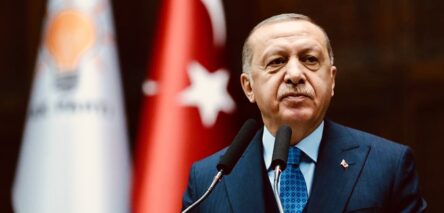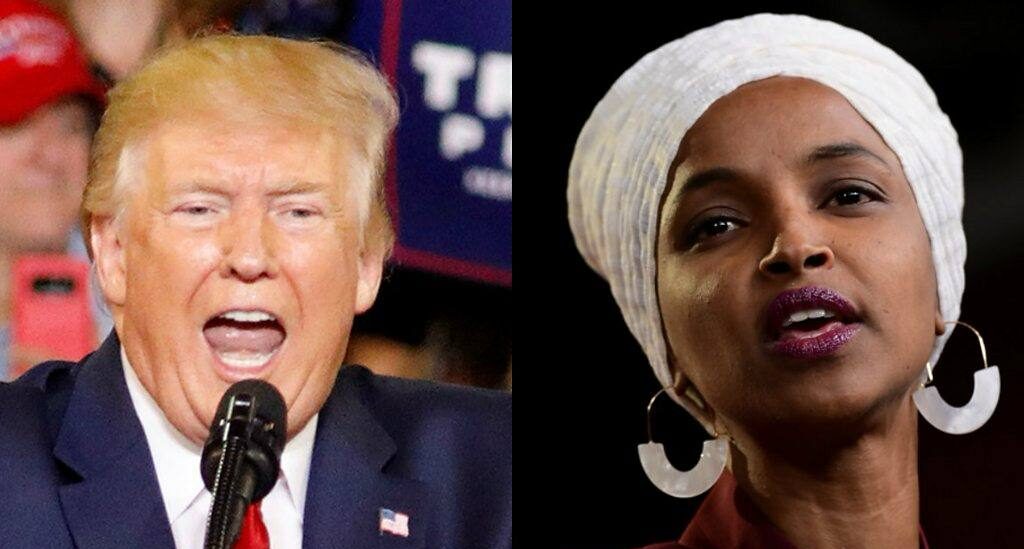
In the span of weeks, the U.S. sent two very different signals to Somalia. AFRICOM’s new commander, Gen. Dagvin Anderson, visited Somalia’s member states of Somaliland and Puntland promising tighter cooperation on maritime security and joint pressure on al-Shabaab. But days later, President Donald Trump called Somali immigrants “garbage,” claiming they “contribute nothing,” and urging that they “go back” and “fix” their country. The remarks sparked a swift backlash in Minnesota and Mogadishu and reopened old arguments about power, policy, and a fragile state caught in bigger geopolitics. The contradiction is hard to miss: the general’s message was partnership; the president’s message was disparagement. AFRICOM framed its September loop as an effort to reinforce security ties and, after that trip, announced fresh ISIS-Somalia strikes with Somali authorities. On last week’s swing through Ethiopia, Somaliland, and Puntland, the command repeated the same “maximum pressure” and cooperation line. Then came a Cabinet-room rant and follow-on posts from the White House that turned Somalis into a domestic political foil. The Somali community and Minnesota leaders pushed back. Somalia’s prime minister urged his country to “move on” without amplifying the insult. Trump told cameras he doesn’t want Somalis “in our country,” calling them “garbage,” and suggested US Congress woman Ilhan Omar, an ethnic Somali, should be forced out language widely reported across U.S. and international media. The congress woman responded publicly; Minneapolis officials and the state’s leadership rejected the framing. Somali-American community groups highlighted citizenship, small-business growth and service in local government. In Mogadishu, Prime Minister Hamza Abdi Barre chose restraint no escalation, no echo.
There’s a domestic U.S. context. The administration is leaning into hard-edge immigration politics after security incidents unrelated to Somalis.
There’s also a geopolitical layer. The Red Sea Horn corridor sits beside global chokepoints; Gulf states, Egypt, Turkey, Europe, and others compete for influence. In that crowded field, Somalia’s weaknesses security gaps, fiscal strain, federal-member state tensions magnify outside voices. When a U.S. president speaks crudely about Somalis, it lands harder because the state is still rebuilding and because external patrons regularly treat Somali politics as a lever in bigger rivalries. That includes periodic U.S. counterterrorism surges, as well as congressional discussion on recognizing Somaliland that complicate Mogadishu’s sovereignty narrative. On substance, Somali and international reporting stress that blanket claims about a people or a diaspora are factually weak and socially dangerous. Minnesota’s Somali community is large, visible, and like any big community diverse; officials underscore citizenship rates, small-business growth, and civic participation. Stereotypes like these invite stigma and retaliation.
Trump’s Somalia remarks arrive as West and East Africa wrestle with real crises: Sudan’s catastrophic war; Sahel jihadist violence; and migration driven by conflict and climate. Against that backdrop, choosing one community as a political foil doesn’t solve much. It sidesteps the hard work supporting governance, accountable security forces, jobs, and regional cooperation that actually reduces the pressures pushing people to leave. Somalia’s own reform agenda lives or dies on those basics. But here’s the bitter truth.
Trump can talk this way and it resonates for some because Somalia remains weak. Its leaders have not yet delivered a durable social contract; Federal-member state rifts persist; Corruption scandals recur; and too many citizens still see opportunity only abroad. That fragility makes Somalis easy to misrepresent and easy to threaten. The point is not to accept the misrepresentation, but to face the incentive it exploits.
When a nation and its institutions are fragile, others write its stories sometimes carelessly, sometimes cruelly. Tomorrow it is Ethiopians or Eritreans. Somalia deserves better than a slur.But the most effective answer isn’t a clapback from Mogadishu; it’s progress that makes such rhetoric ring false security that protects all communities, a real anti-corruption drive, jobs that keep talent at home, and diplomacy that stops outsiders from confusing Somalia with every proxy they prefer. The United States will keep debating immigration; U.S. presidents will come and go.
What endures is whether Somalis can build a state strong enough that no one friend or foe can reduce them to a talking point.