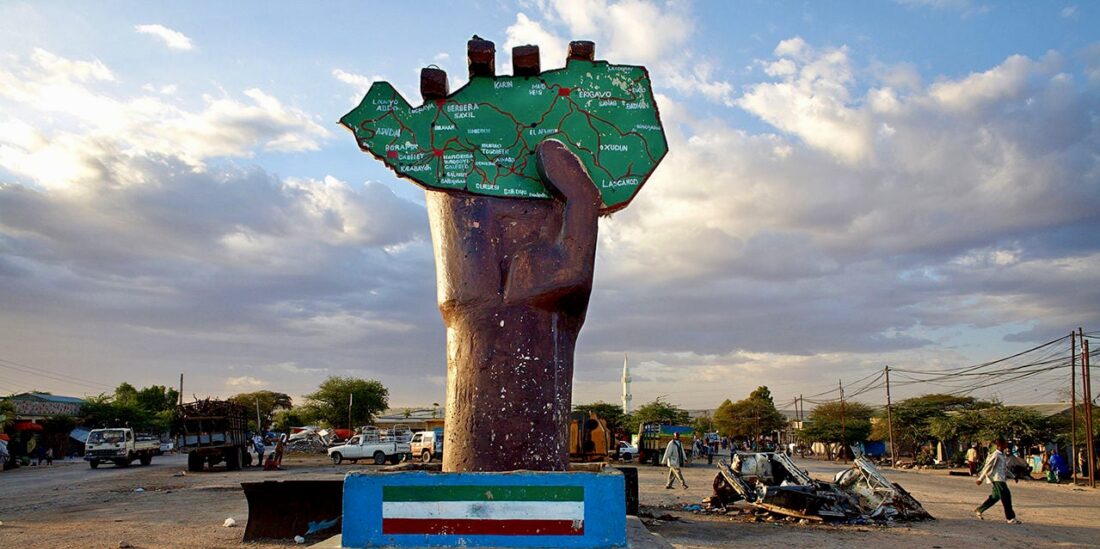
What do you call a place that just held one of the Horn of Africa’s cleanest elections…
…but now stands on the edge of clan unrest, regional backlash, and a new armed group?
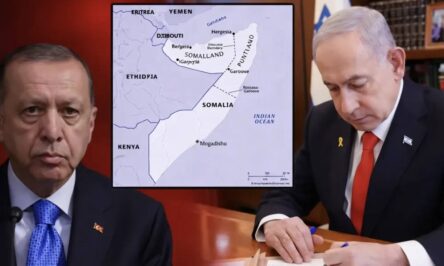
Somaliland. And what just happened there could reshape the entire Red Sea corridor. Somaliland isn’t internationally recognized.
But it’s acted like a functioning democracy for over 30 years. And last year in November 2024 it pulled off a peaceful transfer of power.
Opposition leader Abdirahman“Irro” won almost 64% of the vote a landslide that stunned everyone. But today, Somaliland is facing:
a security scare around its outgoing president,
a new rebel-militia announcement,
airspace disputes with Mogadishu,
and renewed U.S. Ethiopia,Somalia tensions.
This is the clearest picture yet of why what happens here matters far beyond Hargeisa.
The Political Shift
well Somaliland is experiencing a real political handover between rival parties. Irro a calm, pragmatic unifier replaced outgoing president Muse Bihi, who has ruled since 2017.
But Bihi’s final year was turbulent.
Elections were delayed for years.
Protests erupted over the Ethiopia Berbera MoU.
And accusations of clan favoritism especially toward the dominant Isaaq deepened divisions.
THE AIRPORT INCIDENT
Multiple outlets including HiiraanOnline and Somali Guardian verified this:
Bihi arrived at Hargeisa’s airport for a flight to the UAE.
His large convoy wasn’t allowed through the gate.
A standoff followed.
Shots were fired.
People were injured.
And Bihi the president for the past 7 years walked nearly a kilometer to the terminal, alone.For many in his clan base, that moment felt like humiliation.The next day, a new armed group released a declaration online.
Unverified, yes but loud.
They blame Irro’s incoming administration for “repression” and vow to “defend dignity.” Analysts say this isn’t an organized insurgency not yet.
More likely: a spontaneous clan-militia mobilization triggered by the airport chaos.
But here’s the thing this comes at the worst possible time. Because Somaliland is already dealing with:
Clan disputes in Awdal & Seylac
Issa militias allegedly with Djibouti backing mobilized in November. Eastern regions like Sool and Sanaag want closer links with Somalia’s federal system. So the airport clash didn’t happen in a vacuum.
It happened inside a pressure cooker.
Somaliland’s Recognition Push
Somaliland believes it’s closer than ever to recognition.
Why? U.S. lawmakers like Rep. Scott Perry introduced bills supporting recognition.
A congressional analysis argued that backing Somaliland counters China which works closely with Mogadishu. The Berbera corridor is strategically crucial for the Gulf of Aden.
But critics warn:
Recognition could open the door to proxy conflict involving Egypt, and Eritrea.
2. Ethiopia’s Sea-Access Battle
Remember the 2024 MoU between Ethiopia and Somaliland? Addis Ababa promised recognition in exchange for naval access at Berbera.
Somalia called it “illegal.”
Crowds protested.
But talks between Hargeisa and Addis Ababa never actually stopped.
3. The Airspace & Visa War
In November 2025, Somaliland declared full control over its airspace.
Somalia retaliated with visa restrictions.
Somaliland banned dollar shipments going south.
Airlines were caught in the middle. This isn’t just bureaucratic drama it’s about sovereignty.
Somalia Fragmenting
Jubaland cut ties with Mogadishu.
Puntland followed.
And Egypt plans troop deployments in Somalia citing Nile tensions with Ethiopia. So Somaliland’s crisis is unfolding inside a much larger regional meltdown.
Here’s the thing:
Somaliland’s election was a moment of democratic pride.
Instead, the transition is now overshadowed by clan friction, new militias, outside powers, and airspace disputes.
One misstep ,one clan clash, one misunderstanding, could pull the entire region into a deeper crisis.
So why does this matter?
Because what happens in Somaliland doesn’t stay in Somaliland.
It affects Ethiopia’s sea-access strategy.
It shapes Somalia’s political future.
It influences U.S. China competition.
And it touches the security of the entire Red Sea corridor.
A lot is uncertain.
But one thing isn’t:
The Red Sea isn’t the property of one nation.
It’s the lifeline of an entire region.
Tell me, what do you think Somaliland should do next?
Drop your thoughts below.
And if you want more breakdowns like this… you know what to do.