A high-stakes meeting at the White House has revealed a quiet but determined shift in Saudi Arabia’s approach to one of the Middle East’s most volatile flashpoints.
Saudi Defence Minister Prince Khalid bin Salman told US Vice President JD Vance that Riyadh does not want American involvement in managing tensions with Yemen’s Houthi movement.
The message, delivered on behalf of Crown Prince Mohammed bin Salman, signals that Saudi Arabia is charting its own course prioritising de-escalation with Iran even as it participates in US-led strikes against Iranian-backed militias A last-minute addition to Prince Khalid bin Salman’s White House itinerary has produced a significant diplomatic signal.
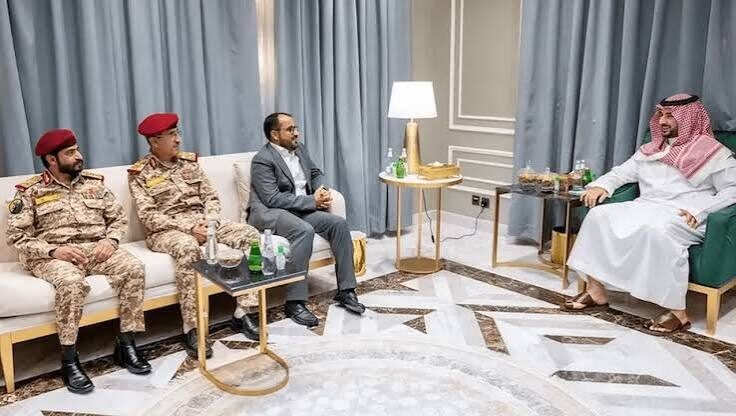
The Saudi Defence Minister used his meeting with Vice President Vance to convey a clear message: Riyadh is negotiating with the Houthis and does not currently require US involvement in managing the situation The meeting came at a moment of renewed tension.
Earlier this month, President Donald Trump backed Saudi military action against the Houthis, including a strike on Sanaa airport The Houthis responded by threatening Saudi-linked shipping and announcing restrictions on vessels using Saudi ports and the Bab al-Mandeb Strait.
Yet even as these hostilities flared, Riyadh signalled its preference for a different path The Saudi position is not without complexity. Prince Khalid described the US-Saudi strikes against Iran-backed militias in Iraq as defensive, insisting they were not intended to signal broader escalation But he also acknowledged that the actions sent a deterrent message to the Houthis, suggesting that Riyadh is prepared to use force while simultaneously pursuing diplomatic channels.
The central message from Riyadh is that it does not want Washington to manage its relationship with the Houthis That marks a notable departure from previous periods of Saudi-Yemeni conflict, when Riyadh has often looked to the United States for security guarantees and military support Prince Khalid’s meeting with Vance was arranged at short notice, underlining the urgency Riyadh attached to delivering this message personally.
The Defence Minister was not simply conveying a preference; he was drawing a boundary around Saudi Arabia’s foreign policy decision-making.
For Washington, this creates a delicate diplomatic challenge The United States has its own interests in the Red Sea and the Bab al-Mandeb Strait, a critical chokepoint for global shipping Washington also views Iran’s regional influence with deep suspicion and has historically supported Saudi Arabia as a counterweight.
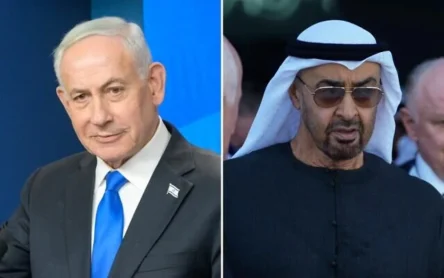
But Riyadh is now signalling that it wants to manage its own relationship with the Houthis, even as it maintains security cooperation with the United States elsewhere The Saudi message was not simply about the Houthis. It was also about Iran Prince Khalid made a point of contrasting Saudi Arabia’s approach with that of Israeli Prime Minister Benjamin Netanyahu, telling Vance that Riyadh favours de-escalation with Tehran rather than confrontation.
That distinction matters for several reasons.
Saudi Arabia and Iran have been engaged in a regional rivalry for decades, competing for influence across the Middle East The Houthi movement is closely aligned with Iran, and Tehran has provided the group with military and political support But Saudi Arabia has also pursued a diplomatic opening with Iran.
In 2023, Riyadh and Tehran agreed to restore diplomatic relations in a deal brokered by China, signalling a mutual interest in reducing regional tensions The Prince Khalid’s remarks suggest that Saudi Arabia is determined to maintain that opening, even as it participates in strikes against Iranian-backed militias elsewhere.
The contrast with Israel is also significant Netanyahu has taken a more confrontational approach toward Iran, focusing on Tehran’s nuclear programme and its regional influence Saudi Arabia’s preference for de-escalation suggests a different strategic calculus, one that prioritises regional stability over direct confrontation.
The Saudi military actions that prompted this diplomatic engagement were not minor affairs More than 30 drone attacks have targeted Saudi infrastructure and energy facilities in recent months, causing significant concern in Riyadh The strikes against Iran-backed militias in Iraq were a direct response to those attacks Prince Khalid described the actions as defensive, but also said they were intended to send a deterrent message to the Houthis.
That dual purpose is important Saudi Arabia is making clear that it can and will use military force to protect its territory But it is also indicating that the strikes are not meant to escalate into a broader regional confrontation The challenge for Riyadh is managing this balance.
The Houthis have shown themselves capable of disrupting Red Sea shipping and targeting Saudi infrastructure Saudi Arabia’s military responses have demonstrated its capacity to strike back But neither side has been able to achieve a decisive victory, and the conflict has created significant economic and security costs for all involved that may explain why Riyadh is now investing in diplomatic channels alongside its military posture.
The immediate situation remains volatile The Houthis have threatened Saudi-linked shipping and restricted access to the Bab al-Mandeb Strait, one of the world’s most important maritime chokepoints Saudi Arabia has responded with military strikes but is also signalling its openness to negotiation.
The next phase will depend on several factors First, whether the Houthis are willing to engage meaningfully with Saudi diplomatic efforts the group has its own strategic interests, and its relationship with Iran complicates any potential agreement with Riyadh Second, whether Washington accepts Saudi Arabia’s preference for independent management of the situation.
The United States has its own security concerns in the region, and Vice President Vance’s response to Prince Khalid’s message could determine whether the US continues to play a supporting role or steps back.
Third, whether Saudi Arabia can maintain its balancing act between military deterrence and diplomatic engagement The strikes against Iran-backed militias in Iraq were defensive, but they also represented a use of force that could escalate if not carefully managed For Riyadh, the goal appears to be containment rather than victory.
Saudi Arabia wants to deter further attacks and secure its energy infrastructure while avoiding a broader conflict with Iran or the Houthis Saudi Arabia’s message to the United States is clear: Riyadh wants to manage its relationship with the Houthis independently.
That represents a shift from previous patterns, when Saudi Arabia has often sought American support for its Yemen policy But the shift is not a withdrawal from the broader strategic relationship with Washington Saudi Arabia continues to coordinate with the United States on regional security and has participated in military action against Iran-backed militias.
The difference is one of degree, not of abandonment Saudi Arabia is signalling that it can walk and chew gum at the same time pursuing military deterrence and diplomatic engagement simultaneously, and deciding for itself when each is appropriate The question is whether this approach will produce results.
If Saudi Arabia can negotiate a reduction in Houthi attacks and restore stability to the Red Sea, the approach may gain wider acceptance.
But if the Houthis continue their attacks or escalate further, Riyadh may find that its diplomatic opening has run into a wall For now, Saudi Arabia has made its position known. It will pursue de-escalation with Iran, manage its Houthi relations independently, and use force when necessary to defend its territory The United States has been asked to step back.
Whether it will comply remains to be seen But the real story is not simply whether Saudi Arabia has asked the US to stay out of its Houthi negotiations It is why Riyadh has concluded that it needs to run its own diplomacy, even at a moment of renewed conflict.