In geopolitics, today’s ally can be tomorrow’s enemy Turkey’s President Erdogan once vacationed with Syria’s Assad Then helped topple him Now he’s shaking hands with Egypt’s Sisi.
where we break down the world’s biggest power plays and why they matter to you Today’s story takes us from Cairo… to Ankara…then to Addis Ababa On February 4th, 2026, Turkey and Egypt signed a sweeping strategic partnership defense, trade, energy, even regional security On paper, it looks like stability.
But if you’ve tracked Erdogan’s foreign policy… you know alliances under him rarely stay stable They shift They fracture. Sometimes violently And if this one breaks? It could reshape the balance of power in the Horn of Africa To understand today’s alliance… you need to rewind In the 2000s, Erdogan and Syria’s Bashar al-Assad were close.
Joint cabinet meetings Trade deals Even family holidays together Turkey promoted itself as Syria’s gateway to Europe Then came the Arab Spring When uprisings hit Syria in 2011, Erdogan pivoted fast He backed rebel groups Opened Turkey’s borders to opposition fighters Pushed for Assad’s removal.
A friendship turned into open hostility By 2024, Assad’s regime collapsed, after years of war and foreign intervention Turkey had helped shape that outcome This wasn’t an isolated pivot It became a pattern Cut to graphic: “Erdogan’s Strategic Pivots” Analysts call it transactional diplomacy Alliances built on convenience… not doctrine According to multiple foreign policy studies, Turkey’s interventions in Syria, Libya, and the Eastern Mediterranean often left it regionally isolated.
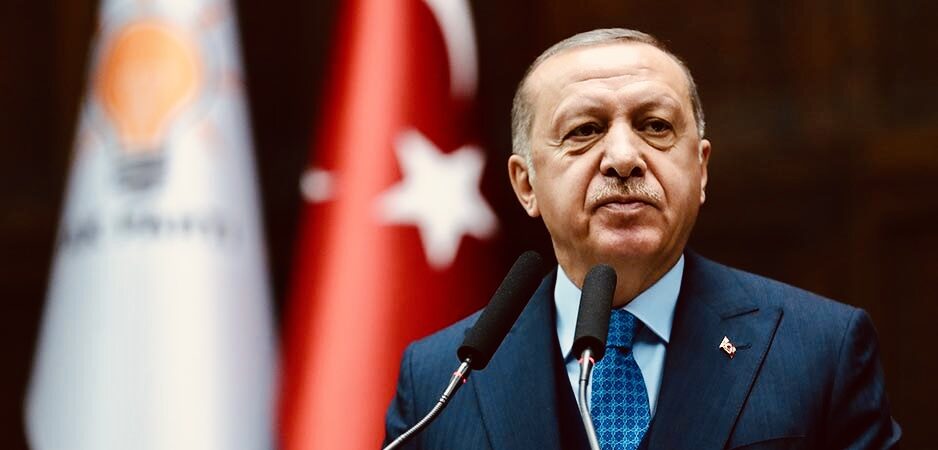
Which brings us to Egypt On February 4th, Erdogan and Egypt’s President Abdel Fattah el-Sisi announced a “strategic partnership ”Eighteen agreements signed On-screen graphics Defense cooperation $15B trade target Energy & agriculture Health sector deals But the real alignment is geopolitical.
Both leaders coordinated positions on regional conflicts And that’s where Ethiopia enters the story Somalia & Red Sea Tensions Turkey runs its largest overseas military base in Somalia It trains Somali troops Funds infrastructure Explores offshore oil Egypt, meanwhile, recently increased arms shipments and military support to Somalia’s federal government.
Why?
Because of Ethiopia’s January 2026 deal with Somaliland ,Somalia calls it a violation of sovereignty.Turkey and Egypt back Mogadishu’s position So for Addis Ababa, this new alliance looks less like cooperation…and more like coordinated pressure. Egypt considers the GERD an existential threat to Nile water security Negotiations have stalled for years Now imagine Egypt backed militarily.
Turkey manufactures drones and defense systems used across Africa and the Middle East If Ankara leans fully toward Cairo Egypt’s leverage increases. And Ethiopia’s strategic room shrinks.But here’s the thing…This alliance rests on fragile ground.
Because Erdogan and Sisi disagree on one explosive issue The Muslim Brotherhood Erdogan supports Brotherhood-linked movements He hosts exiled members in Turkey. Sisi built his presidency crushing them To Cairo, they’re terrorists To Erdogan, they’re political allies That ideological fault line never disappeared It was simply… paused And there are other stress points Gaza war policy differences Libya’s rival factions Economic competition Eastern Mediterranean energy disputes If tensions resurface… History suggests Erdogan could pivot again.
Just like he did with Assad. If the Turkey–Egypt axis fractures Ethiopia stands to gain strategically Here’s how. Reduced Coordinated Pressure Without Ankara, Egypt loses a key diplomatic amplifier. Joint opposition to Ethiopia’s Somaliland deal weakens Threats of regional isolation soften. Military Balance Shifts Turkey has long sold arms to Ethiopia If relations rebalance or tilt back toward Addis Egypt’s deterrence posture weakens.
GERD Negotiation Space Expands Turkey has previously floated mediation roles in Nile disputes Without full alignment behind Cairo… Diplomatic pathways reopen. Red Sea Strategy Gains Breathing Room A divided opposition gives Ethiopia time to: Consolidate port access Build maritime infrastructure Secure trade corridors
In geopolitics, time is power And fractures buy time But beneath these alliances are human stakes. Water security,Trade survival, Regional wars Millions depend on decisions made in distant palaces Yet the Horn of Africa has also shown resilience. New corridors,Infrastructure growth Regional diplomacy attempts Even amid pressure states adapt And Ethiopia is betting on that adaptability So where does this leave us?
Erdogan’s foreign policy has never been static It bends with opportunity. Breaks under pressure Then reforms elsewhere. His alliance with Egypt may strengthen coordination today Against Somalia tensions Against Ethiopia’s port ambitions Against the GERD.
But history warns us Under Erdogan, alliances are rarely permanent If this partnership fracture Ethiopia doesn’t just avoid pressure.
It gains strategic space In the Horn of Africa’s power, Sometimes your rival’s alliance Is only temporary if you found this breakdown useful subscribe.We unpack geopolitics that shapes Africa’s future And I want to hear from you Do you think the Turkey–Egypt alliance will last? Or is another Erdogan pivot coming?