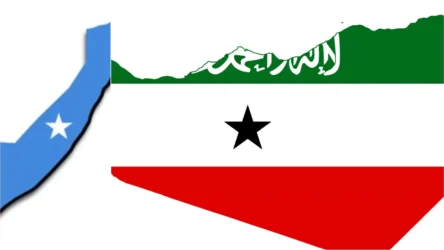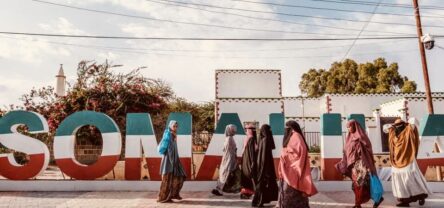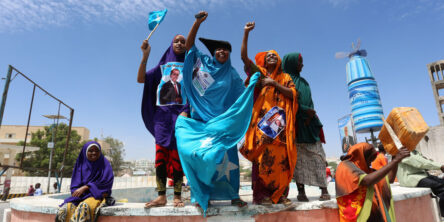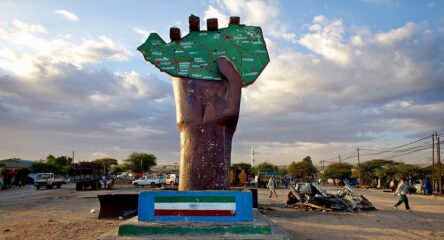
What happens when a state the world refuses to recognize suddenly gets recognized by a UN member right on one of the world’s most dangerous shipping lanes?This week, that question stopped being theoretical.
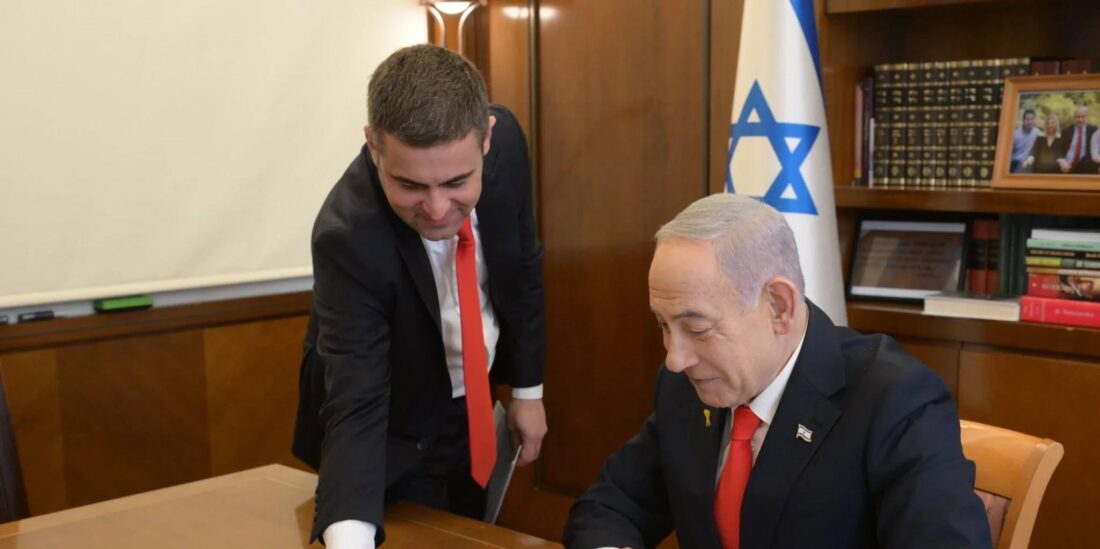
On December 26, 2025, Israel formally recognized Somaliland as a sovereign state.
It was the first UN member to do so. For Somaliland, it ends decades of diplomatic isolation. For the Horn of Africa, it may redraw the strategic map of the Red Sea.
And today, we’re breaking down why this recognition atters not just for Somaliland or Somalia but for Ethiopia, Egypt, the Gulf states, and global powers watching one of the world’s most critical maritime corridors. Somaliland declared independence from Somalia in 1991. Since then, it has operated like a state: its own elections, currency, security forces.
But for more than 30 years, no UN member formally recognized it.Until now. Israel’s announcement came with more than words. It included promises of economic cooperation, security ties, and Somaliland’s stated interest in joining the Abraham Accords. This wasn’t symbolic recognition.
It was strategic recognition. Somaliland sits directly across from Yemen within range of Houthi activity. And right next to the Bab-el-Mandeb Strait, where nearly 12 percent of global trade passes.
For Israel, recognition creates diplomatic cover. Cover to expand intelligence sharing.
Logistics access.And potentially, future security arrangements. This shortens Israel’s response time in the Red Sea. And strengthens its position against Iran-aligned threats In plain terms Recognition buys access without firing a shot. But Israel didn’t just recognize Somaliland. It triggered a chain reaction.
Somalia called the move a violation of sovereignty. Turkey labeled it unlawful. Egypt, Djibouti, and the African Union warned of instability.
Why such strong reactions?
Because Somaliland recognition isn’t just about borders.
It sets a precedent. And for states worried about fragmentation or influence that precedent is dangerous. The UAE already operates in Berbera port. China backs Mogadishu’s “One Somalia” policy. Russia has quietly explored ties with Hargeisa. the U.S. has sent senior AFRICOM officials to Somaliland without recognizing it. Israel’s move raises the value of Berbera overnight. And invites others to consider: Do we follow or do we resist?
This is how diplomatic cascades begin. For Somalia, this is painful The state remains fragile. Federal authority is contested. Security is uneven And every external deal that bypasses Mogadishu
deepens that sense of erosion. This is the human cost of geopolitics When global powers move fast, fragile states absorb the shock No country is watching more closely than Ethiopia In January 2024, Addis Ababa signed a memorandum with Somaliland trading access to ports for future recognition That deal reignited regional tension Now Israel’s recognition changes the calculus.
Ethiopia faces a choice Move quickly and align with the new momentum Or slow down to avoid diplomatic rupture with Somalia, Egypt, and the AU For a landlocked country of 130 million people, sea access is not optional It’s existential. Washington is cautious Officially, the U.S. supports Somali territorial integrity But strategically, Somaliland offers access, stability, and proximity to Red Sea threats.
Expect lobbying Expect conditional engagement Not instant recognition but quiet recalibration Reuters reports that legal and diplomatic battles are already forming.
Three things are likely next
First: More recognitions, possibly by smaller or aligned states Second: Securitization ports become strategic assets, not just trade hubs.
Third: Legal warfare Somalia and allies pushing back through the AU and UN.
None of this guarantees conflict But it does raise the stakes Israel’s recognition of Somaliland is both a cause and a signal It causes an immediate reordering of incentives And it signals that the Horn of Africa’s maritime geography is now a frontline of global power competition.
What happens next depends on choices in Addis Ababa, Mogadishu, Cairo, Ankara, Abu Dhabi, Washington, Beijing Will this moment harden into confrontation?
Or become a rare chance for structured diplomacy in one of the world’s most strategic corridors?