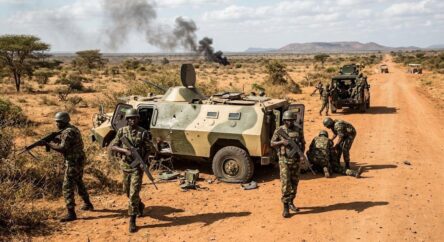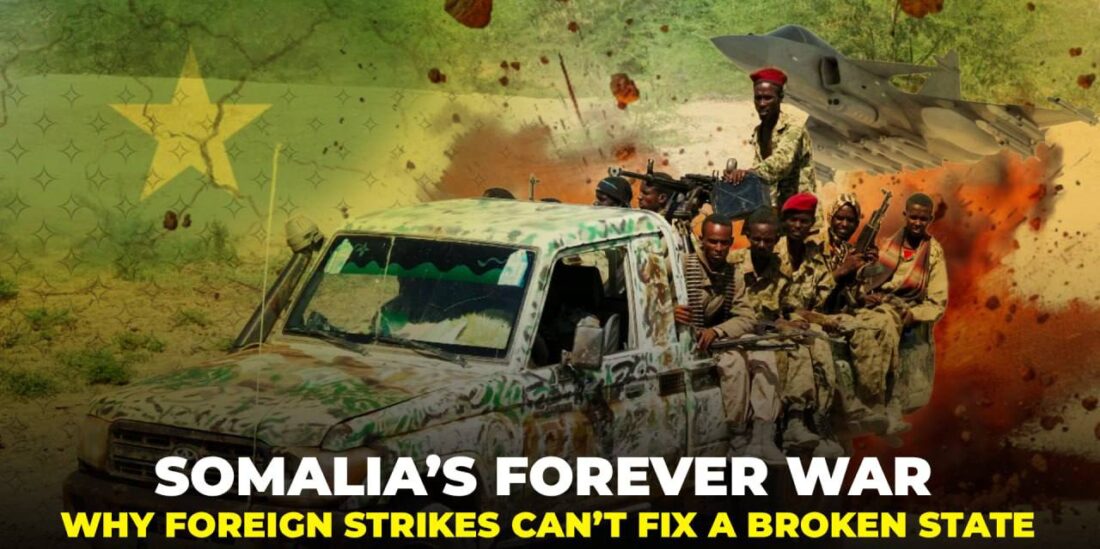
Somalia isn’t fighting a war on terror it’s hosting one For over three decades, external powers have conducted military operations on its soil, not as invaders, but as security managers propping up a state that cannot defend itself This isn’t just a counterterrorism campaign; it’s a permanent arrangement, revealing a stark reality: Somalia’s sovereignty is a fiction upheld by foreign firepower.
In early 2025, a U.S. airstrike hit an ISIS-Somalia position in Puntland a routine event framed as a coordinated effort with Mogadishu to degrade extremist threats But this strike, like hundreds before it, underscores a deeper failure: the Somali state remains unable to establish a monopoly on violence within its own borders The transition from the African Union’s ATMIS mission to the newer AUSSOM framework has exposed critical security gaps, with Somali forces showing “uneven readiness” to take full control.
This analysis examines how Somalia has become a permanently assisted state, where recurring foreign intervention is less a choice than a structural necessity, reshaping the entire Horn of Africa in the process.
The Sovereignty Paradox The State That Can’t Fight for Itself
What outsiders call “security cooperation” is a chronic dependency The United States and its partners justify strikes as necessary measures to protect international interests and support Somali authorities Yet the relentless need for external force exposes a fundamental contradiction: a government that asserts sovereignty but outsources its most basic function defense.
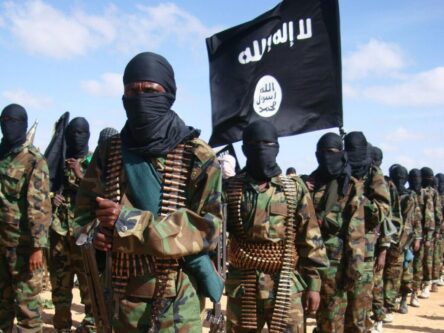
Militant resilience tells the same story.Despite government offensives, al-Shabaab maintains its insurgency, while ISIS exploits pockets in Puntland Regional administrations launch their own counter-terror campaigns, fragmenting national command The result is a patchwork security landscape where foreign drones fill the voids that Somali institutions cannot.
The Regional Spillover Somalia’s Crisis Becomes Everyone’s Problem
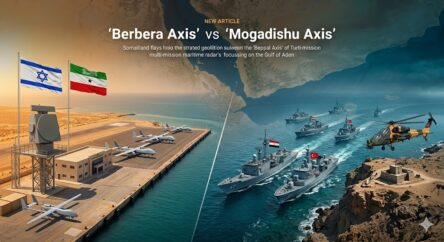
Somalia’s internal fragility never stays contained It spills across borders, turning domestic instability into a regional strategic dilemma Tensions over Somaliland and shifting alliances have repeatedly threatened the unified front against extremists, who adeptly exploit diplomatic rifts.
The Ethiopia-Somaliland port deal crisis was a prime example a flashpoint where Mogadishu’s sovereignty fears clashed with a neighbor’s economic ambitions. Yet, tellingly, diplomatic relations were restored, and joint action against al-Shabaab continued.
The lesson is clear: neighbors are trapped in a paradox Disengagement risks allowing ungoverned space to fester, but involvement invites accusations of interference and entanglement in Mogadishu’s internal fractures.
The Stabilizers in the Shadows The Unavoidable Neighbor
Without attributing primacy to any single actor, the historical record shows that regional military power has been a decisive factor on the Somali battlefield Ethiopia’s past interventions, for instance, recaptured key territories from al-Shabaab and disrupted its large-scale capabilities More recently, its airstrikes have been conducted with official Somali coordination.
This reveals Somalia’s security as a regional project, a collaborative burden born of geographic necessity However, Mogadishu’s occasional moves to exclude such actors from new security frameworks highlight the enduring tension: a desperate need for help, clashing with the political imperative to appear self-reliant.
The Structural Trap From Temporary Aid to Permanent Assistance
At its core, the cycle of intervention points to a grim structural reality Extremist groups persist not because they are ideologically unstoppable, but because they operate in an ecosystem of institutional weakness Foreign strikes can eliminate commanders but cannot build police forces, courts, or cohesive governance.
Somalia thus risks becoming a textbook case of a “permanently assisted state.”For the wider Horn of Africa, this transforms regional security from a cooperative venture into a perpetual crisis-management posture Alliances shift, deployments adjust, and diplomatic capital is spent all orbiting the unstable center of gravity that is Mogadishu.
The enduring presence of foreign militaries in Somalia is not the cause of its instability, but its most visible symptom The true crisis is the absence of a state machinery capable of commanding its own territory The coming years will test whether Mogadishu and its international partners can finally build the institutions that render external strikes unnecessary Until then, Somalia’s war will remain a shared, open-ended burden a stark lesson in how state failure becomes a regional condition, managed indefinitely by those who can least afford its spread.