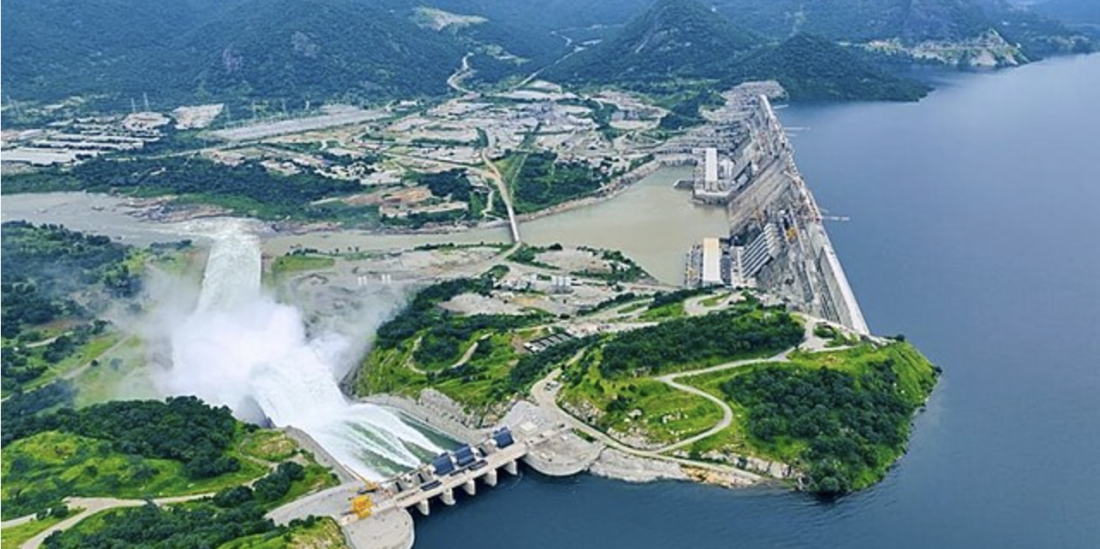
A familiar rift in the Nile geopolitics has resurfaced. At the G7 Summit in Évian-les-Bains, France, US President Donald Trump and Egyptian President Abdel Fattah El-Sisi met to discuss the Grand Ethiopian Renaissance Dam , the mega dam on the Blue Nile that has been a source of tension between Cairo and Addis Ababa for over a decade. Trump stated that the project is causing “tremendous problems for Egypt” and signalled a fresh push to resolve the dispute.
The core issue is unchanged. Ethiopia sees it as a cornerstone of its development and a symbol of national sovereignty. But the return of a familiar mediator and his language has reignited a debate about whether this is a genuine diplomatic opening or a coercive exercise of power.
President Trump has a long history with the GERD dispute. He claims he had a deal “settled” during his first term before the Biden administration abandoned it . Now back in office, he is signaling his intent to “get back into it”. The language used in Évian was unequivocal. Trump stated, A dam was built in Ethiopia and it’s causing tremendous problems for Egypt and I’m very aware, directly echoing Cairo’s framing of the issue. He described Egypt as having been “very unfairly treated”. This is not the language of a neutral mediator.
For Ethiopia, a process led by a figure who has previously suggested Egypt should “blow up the dam” is not diplomacy ,it is coercion. His offer of mediation has been interpreted not as a quest for a balanced solution, but as an attempt to legitimize a predetermined outcome favouring Egypt.
For Ethiopia the GERD is a matter of sovereignty and development. The government has rejected the notion of “historic rights” invoked by Egypt viewing them as a relic of colonial era agreements it was never party to. Ethiopia argues that its right to utilize the Blue Nile is protected under international law and that the dam actually provides benefits like flood control and regulated flow to downstream countries.
The dispute is therefore not a technical issue but a fundamental clash over water rights and national development. The filling and operation of the dam are seen by Egypt as acts of “unilateral” aggression while Ethiopia views its approach as a responsible and lawful exercise of its sovereign rights .
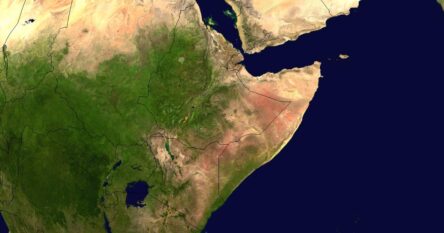
The US re-engagement occurs against a backdrop of shifting alliances in the Horn of Africa. The GERD dispute is a central element of this complex geopolitical puzzle with the Red Sea and the Nile Basin becoming interconnected theaters of competition. Trump’s intervention adds another layer of complexity.
Ethiopia has historically resisted what it perceives as US favouritism towards Egypt and the current rhetoric reinforces that perception. The question is whether Trump’s fresh push will lead to a breakthrough or further entrench the positions of both sides.
President Trump’s intervention in the GERD dispute is a significant development but its success is far from guaranteed. His stated support for Egypt and his history on the issue suggest a mediation process that will be viewed with deep suspicion in Addis Ababa.
For Ethiopia, it is a challenge to its sovereign rights and development ambitions. The outcome of this renewed US push will depend on whether Trump can transform his coercive rhetoric into a genuine, balanced negotiation a prospect that seems highly unlikely given his public statements at the G7.
Trump Returns to the Nile, Coercion or Diplomacy?