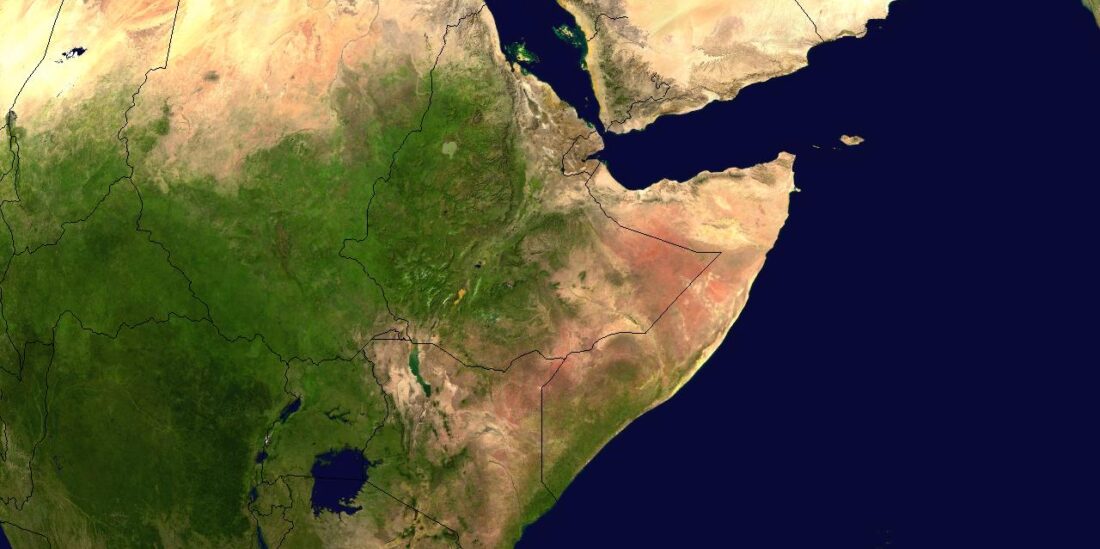
Ethiopia’s quest to regain reliable maritime access is not a distant dream but a pragmatic necessity grounded in economic imperatives, strategic realities, and evolving diplomatic opportunities. As Africa’s second-most populous nation and a rapidly growing economy, Ethiopia’s landlocked status since Eritrea’s 1993 independence imposes high transit costs, logistical vulnerabilities, and constraints on its global competitiveness. Yet international law, regional dynamics, and creative statecraft offer multiple pathways forward. While borders are generally stable, they are not immutable, and access rights can be secured through negotiation.
The most direct and sustainable approach lies in negotiated agreements with coastal neighbors. Ethiopia can pursue a long-term commercial and operational lease for Assab (Aseb), historically its primary outlet.
Assab lies just 75 km from the Ethiopian border, with pre-existing road and potential rail links. Mutual economic incentives such as revenue sharing, joint infrastructure development (ports, roads, power), and security cooperation could address Eritrea’s sovereignty concerns while meeting Ethiopia’s needs. Recent tensions highlight the urgency; sustained high-level dialogue, possibly facilitated by third parties like the African Union (AU) or Gulf states, remains essential.
Historical and economic interdependence, including Afar community ties, provide common ground for “win-win” formulas.
The 2024 Memorandum of Understanding (MoU) with Somaliland demonstrates another viable model. It envisions a 50-year lease of approximately 20 km of coastline for a commercial port and naval facility, paired with Ethiopian investments and potential stakes. Despite complications arising from Somalia’s claims and subsequent Ethiopia-Somalia diplomacy, the framework underscores how targeted leases can deliver de facto access. Operationalizing elements of this deal through port upgrades at Berbera and corridor infrastructure offers Gulf of Aden access as a practical diversification strategy.
Djibouti already handles the vast majority of Ethiopian trade via the efficient Addis-Djibouti railway and modern port facilities. Expanding capacity through new terminals, dedicated berths, equity participation, or extended preferential terms represents low-hanging fruit. Joint ventures could reduce costs and enhance reliability. Broader regional integration opens additional routes. Participation in Kenya’s LAPSSET corridor links Ethiopia to Lamu Port on the Indian Ocean, creating a southern gateway. Sudan offers Red Sea potential via Port Sudan, while improved relations with Somalia could yield Indian Ocean options under mutually agreed terms. Multilateral
frameworks like the African Continental Free Trade Area, IGAD, and the African Union’s Agenda 2063 provide platforms to embed transit rights into binding regional protocols, attracting international financing for cross-border infrastructure.
International law supports Ethiopia’s position without requiring territorial changes. The United Nations Convention on the Law of the Sea (UNCLOS) grants landlocked states rights of access to and from the sea, freedom of transit, and use of ports on equitable terms. Complementary instruments, including the 1965 New York Convention on Transit Trade of Land-Locked States, reinforce these principles. While implementation depends on bilateral agreements, Ethiopia can invoke these norms in negotiations and seek AU or UN-mediated facilitation to overcome deadlocks. Creative solutions such as special economic zones, joint development authorities, or even limited land swaps fit within equitable frameworks.
Success hinges on transforming Ethiopia’s needs into shared opportunities. Offering transit revenue guarantees, infrastructure investments, energy exports (from GERD and renewables), and market access can align incentives. Public-private partnerships involving global players (UAE, China, Turkey, Europe) can fund port expansions and railways, reducing political risk. Ethiopia’s large consumer market, manufacturing potential, and strategic location make it an indispensable partner for coastal states seeking hinterland integration.
Obstacles include historical mistrust, sovereignty sensitivities, and geopolitical rivalries involving Egypt, Gulf actors, and others. Purely legalistic or assertive approaches risk escalation; patient, interest-based diplomacy is superior. Domestic reforms like improving governance, resolving internal conflicts, and demonstrating reliability as a partner enhance Ethiopia’s leverage. Diversification itself serves as insurance: no single route needs to solve everything immediately.
Regaining sea access is achievable through persistent, multi-track diplomacy while addressing Ethiopia’s existential developmental requirements.
By combining bilateral leases, infrastructure corridors, regional integration, and international legal principles, Ethiopia can secure reliable maritime outlets. The Horn of Africa’s stability and collective prosperity depend on leaders choosing cooperation over zero-sum competition. With visionary negotiation and mutual economic benefits at the forefront, Ethiopia can once again become a maritime-connected powerhouse benefiting not only itself but the entire region.