

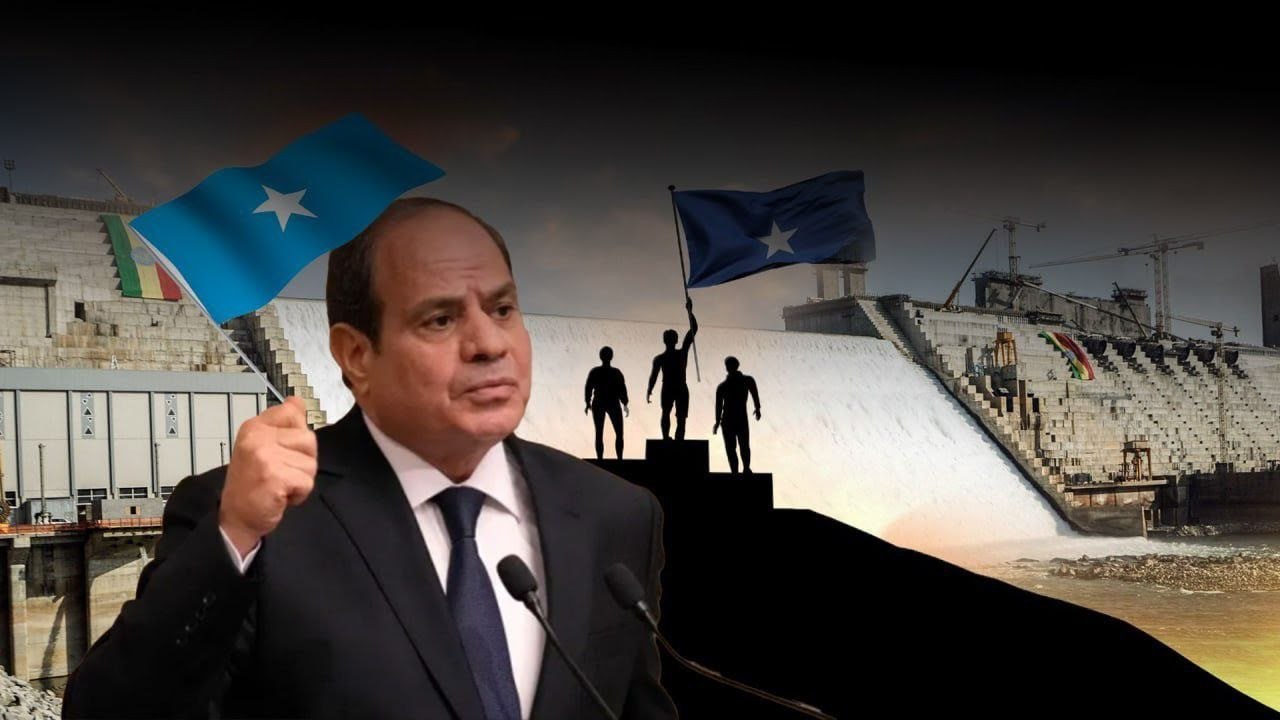
Egypt’s President Abdel Fattah el-Sisi has emerged as a central figure in shifting Red Sea geopolitics. In May 2026, the United States moved to lift sanctions on Eritrea, a decision widely linked to regional tensions reportedly with Cairo playing a quiet brokering role to strengthen alliances that pressure Ethiopia.
This shift follows a hardline turn in December 2025, when Egypt formally ended negotiations over the Grand Ethiopian Renaissance Dam. Foreign Minister Badr Abdelatty labeled the dam “illegitimate” and declared talks at a “dead end,” closing the door on more than a decade of stalled diplomacy.
While Egypt escalates diplomatically; Ethiopia has taken a quieter, more pragmatic path focusing on delivery over rhetoric. It has moved forward with the Grand Ethiopian Renaissance Dam, while advancing additional hydropower projects to secure long-term energy independence.
For Egypt, dependent on the Nile for over 95% of its freshwater, this marked a strategic defeat that prompted an aggressive campaign to weaken Ethiopia’s regional position through alliances, military posturing, and diplomatic isolation.
Cairo’s strategy has involved a multi-pronged approach across the Horn of Africa. Egypt has deepened ties with Sudan, despite Khartoum’s ongoing civil war. Both nations share downstream concerns about the GERD’s impact on water flow, though Sudan’s position has been more nuanced due to potential benefits like flood control and irrigation. Egyptian officials have engaged Sudanese counterparts to maintain a united front against Ethiopian “unilateralism,” while navigating the complex battlefield dynamics that could spill over into Ethiopia’s western borders.
A more visible pillar has been Egypt’s alignment with Somalia. In response to Ethiopia’s memorandum of understanding with Somaliland for Red Sea port access, Egypt signed a defense pact with Mogadishu in 2024. Cairo has delivered military aid, including weapons and training, and committed troops to African Union missions in Somalia. This move directly counters Ethiopia’s quest for sea access a vital interest for its growing economy and positions Egypt as a defender of Somali territorial integrity. The trilateral summit in October 2024 with Eritrea and Somalia formalized an “anti-Ethiopia axis,” establishing a joint committee for military, diplomatic, and economic cooperation aimed at checking Addis Ababa’s ambitions.
Eritrea has emerged as a key partner in this encirclement strategy. Long aligned with Egyptian interests, Eritrea shares historical tensions with Ethiopia. Egypt has strengthened military and port cooperation with Asmara, including upgrades to facilities that enhance Red Sea influence. Analysts view these moves as creating strategic depth against Ethiopia, potentially complicating any Ethiopian efforts toward greater maritime access or regional dominance.
Egypt’s outreach has extended beyond immediate neighbors. Cairo has cultivated relations with Saudi Arabia and other Gulf states, leveraging shared interests in Red Sea security. Reports highlight Egyptian efforts to facilitate or align with initiatives that ease Eritrea’s international isolation.
This flurry of activity reflects Egypt’s broader shift toward assertive African diplomacy. Facing economic pressures at home, Cairo is no longer content with multilateral talks mediated by the African Union. Instead, it is building a coalition of states wary of Ethiopian assertiveness, Somalia over territorial disputes, Eritrea over border and influence issues, Sudan over water and stability, and Gulf partners over maritime security. Port deals with Eritrea and Djibouti further bolster Egypt’s military footprint in the region.
Ethiopia has dismissed these maneuvers as destabilizing “colonial-era” tactics, insisting on its sovereign right to develop the Nile’s resources for hydropower and growth. Addis Ababa points to the GERD’s benefits for regional energy exports and flood mitigation, while accusing Egypt of fomenting instability to maintain historical water dominance established under colonial-era agreements that Ethiopia never recognized.
At the same time, Addis Ababa is also strengthening trade lifelines, deepening ties with Djibouti’s ports while expanding access to Berbera Port as part of a broader diversification strategy. Diplomatically, it is also working to ease tensions and rebuild cooperation with Somalia, signaling a preference for regional stability over confrontation.
Egypt’s post-negotiation strategy underscores a harsh geopolitical reality. Whether this isolation campaign yields concessions on the GERD or merely entrenches divisions’ remains uncertain.
Ethiopia’s resilience as a populous, resource-rich state suggests it will not easily yield. For now, the region watches as Egypt runs “here and there,” forging partnerships to safeguard the colonial-era advantage while Ethiopia consolidates its gains on the dam.
The coming years will test whether these alliances produce a new equilibrium or fuel further escalation in one of Africa’s most strategically vital regions. Water security, sovereignty, and access to the sea have become intertwined in a complex great game where compromise appears distant.