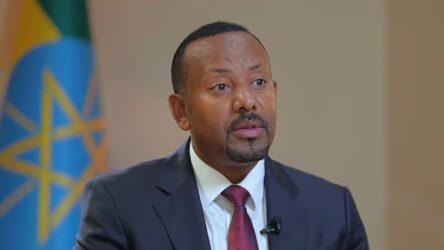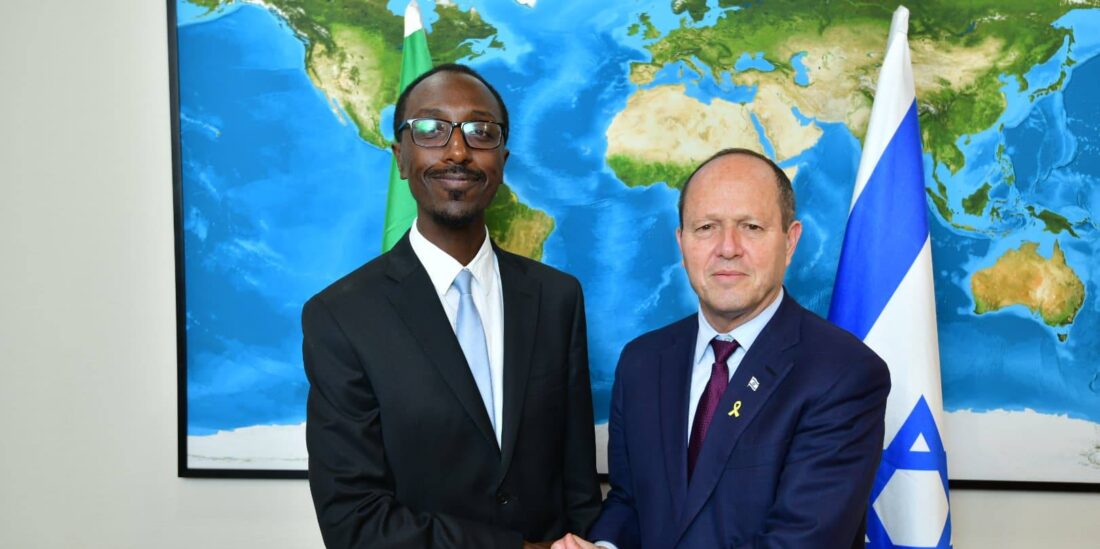
Ethiopia and Israel formalized a significant declaration of intent to deepen cooperation in water resources, renewable energy, agriculture, and infrastructure. The agreement, signed in Addis Ababa by Ethiopian Minister of Water and Energy Habtamu Ittefa and Israeli Minister of Energy and Infrastructure Eli Cohen, marks a practical step in bilateral relations. It emphasizes Israeli technological expertise in water management and Ethiopia’s vast potential in natural resources.
While some narratives have portrayed this as involving direct “access to Nile water” for Israel, the reality centers on mutually beneficial technical collaboration rather than resource transfers.
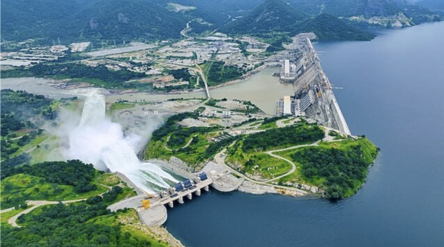
Ethiopia, home to the headwaters of the Blue Nile, contributes the majority of the Nile River’s flow. The country has long asserted its sovereign right to develop these resources for national development. The Grand Ethiopian Renaissance Dam (GERD), inaugurated in 2025, exemplifies this ambition, adding over 5,000 megawatts of hydroelectric capacity and positioning Ethiopia as a potential regional power exporter. Israeli-Ethiopian cooperation complements these efforts by focusing on efficiency, not diversion. Israeli companies bring world-class knowledge in drip irrigation, wastewater treatment, groundwater exploration, and non-revenue water reduction areas where Israel has transformed arid landscapes into productive ones.
In water, collaboration targets infrastructure development, solar-powered irrigation, and treatment technologies to maximize Ethiopia’s resources. Ethiopia is water-rich but has historically utilized only a fraction effectively, particularly for agriculture, which employs a large portion of the population. Israeli innovation can help reduce losses, improve yields, and build climate resilience. In energy, the focus is on expanding renewables, especially solar projects in rural areas, aligning with Ethiopia’s goal of universal electricity access and green growth.
Agriculture remains a cornerstone of the partnership. Israel has supported Ethiopian farming through precision techniques, high-value crops, and agro-processing for years. Joint efforts aim to boost productivity, food security, and exports. Broader infrastructure and innovation talks include mining, digital economy, and startup ecosystems. Ethiopia seeks to emulate aspects of Israel’s “Startup Nation” model, while Israeli investors explore opportunities in Ethiopia’s growing economy, projected to expand significantly.
Supporters of this approach argue it embodies pragmatic sovereignty. As a nation of over 120 million people, Ethiopia has the right to pursue partnerships that advance its interests without external veto. Any agreement is presented as win-win: Israel gains diplomatic and economic footprint in Africa, while Ethiopia accesses cutting-edge technology and investment. Officials emphasize that cooperation is not directed against third parties, such as Egypt, despite regional sensitivities around the Nil.
Egypt has expressed concerns over enhanced Ethio-Israeli water ties, viewing them through the lens of Nile security. However, Ethiopian positions remain firm: equitable and reasonable use of shared resources, as outlined in the Nile Basin Cooperative Framework Agreement (CFA), which entered force with several upstream ratifications. The GERD is a power generation project, not an irrigation scheme designed to withhold water. Cooperation with Israel focuses on internal efficiency and renewables, not altering transboundary flows.
This partnership fits long-term trends. Ethiopia and Israel share historical ties, including agricultural exchanges and people-to-people connections via the Beta Israel community. Recent high-level visits, including Israeli ministers and business delegations, underscore commitment to private-sector involvement and public-private partnerships. World Bank and African Development Bank representatives have also engaged, signaling potential for scaled impact.
In a water-stressed region facing climate change, technology transfer partnerships like this represent forward-thinking cooperation. Ethiopia advances its development goals while exercising sovereignty. Israel extends its global reach through innovation. The true measure of success will be measurable improvements in livelihoods, sustainable resource use, and regional stability.With careful implementation, this framework could serve as a model for mutually beneficial South-South and triangular collaboration across Africa.