What happens when former enemies unite against one government What happens when those enemies control armed forces?
And what happens when Eritrea is accused of supporting them Ethiopia may be approaching that moment And the consequences could reach far beyond Tigray Ethiopia’s northern peace is facing its most serious test since Pretoria The 2022 agreement ended a devastating two-year war.
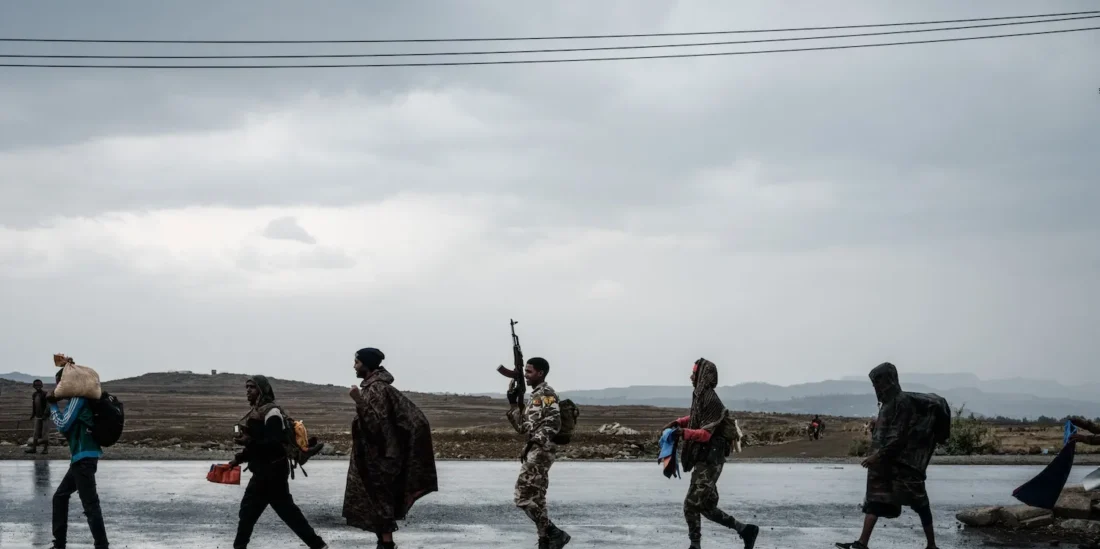
But four years later, fighting has returned And now something even bigger has happened Seven Ethiopian armed groups have announced a new alliance It includes the TPLF, Fano and the Oromo Liberation Army These groups once fought each other Now they say they want political change in Addis Ababa Reuters reports that the alliance seeks to overthrow Prime Minister Abiy Ahmed’s government.
The Ethiopian government has also accused Eritrea of supporting armed groups Eritrea denies those allegations So today, let’s break down what is happening And more importantly, why does it matter To understand today, we need to go back In 2020, war erupted between Ethiopia’s federal government and the TPLF The conflict lasted two years.
Hundreds of thousands died, according to various estimates Millions were displaced Tigray was devastated Then came the Pretoria Agreement The deal created a framework for ending the fighting It also called for disarmament and political normalization An interim administration was established in Tigray.
The goal was simple Stop the war Rebuild the region And prevent another confrontation But the political settlement did not resolve every dispute Questions remained over territory Questions remained over political authority And questions remained over armed forces Then, in May this year, the TPLF reinstated Tigray’s previous regional government ACLED reports that mobilization and forced recruitment also increased.
Fighting followed in August This changed the political calculation Because once political disputes become military disputes, everything becomes harder Now comes the biggest development Seven armed Ethiopian groups have formed an alliance It is called the Ethiopian Peoples’ Forces Alliance for Survival The coalition includes the TPLF.
It includes Amhara Fano forces It also includes the Oromo Liberation Army Other regional armed groups are involved as well Think about that for a moment Some of these groups fought each other Some have completely different political goals Some disagree over territory.
Yet they have found one common objective Opposing the federal government And that creates a strange political equation They may not agree about Ethiopia’s future But they agree about the government they want removed Reuters describes the coalition as geographically and ethnically diverse It also notes that some members remain divided over territory That makes the alliance powerful in appearance But potentially fragile in practice.
And here is where Eritrea enters the story Ethiopia and Eritrea were once close Then their relationship deteriorated dramatically Ethiopia has accused Eritrea of supporting armed groups Recent reporting has again placed Eritrea at the centre of this dispute Eritrea and TPLF hardliners are developing overlapping interests It also links those contacts to the so-called Tsimdo framework.
Some sources allege Eritrea created a broader command structure They describe a roadmap for political transition They also allege logistical and intelligence coordination But something is already confirmed The armed groups themselves have publicly announced cooperation And that changes the security environment The most important development may not be Eritrea It may be the alliance itself Because this is no longer only a Tigray problem The coalition stretches across several regions.
That creates the possibility of simultaneous pressure Pressure in the north Pressure in Amhara Pressure in Oromia And potentially elsewhere This does not automatically mean Ethiopia is heading toward another civil war But it does mean the risks have changed For ordinary Ethiopians, these are not abstract geopolitical games War means displacement It means families separated.
It means schools closing It means businesses stopping It means another generation growing up with conflict And northern Ethiopia knows this pain already But there is another danger The wider Horn is already unstable Sudan remains at war The Red Sea remains strategically tense And Ethiopia sits at the centre of several regional rivalries A new Ethiopian conflict could therefore spread beyond Ethiopia’s borders.
Weapons can move Refugees can move Armed groups can move And regional powers can become involved That is how local conflicts become regional crises But there is another side to this story The alliance has a major internal problem Its members do not share the same political vision The TPLF has its own history Fano has its own territorial and political demands The OLA has its own objectives Other members have their own regional priorities Even analysts discussing Tsimdo emphasize these differences.
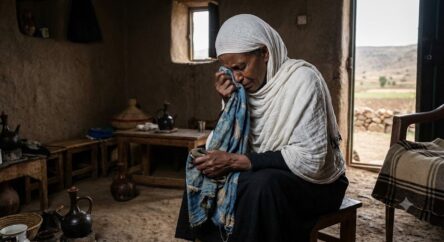
So what holds them together For now, opposition to the federal government But removing a government is one thing Agreeing on what comes next is another And history shows how difficult that can be An alliance can survive shared opposition Building a country together is much harder And behind all these political calculations are people People who remember the last war People who lost relatives People who lost homes.
People who simply want normal lives For them, another war is not a geopolitical theory It is a personal disaster That is why every political leader now faces the same responsibility Prevent another escalation Before the first shots become a wider war So where does Ethiopia go from here There are several possibilities.
First, the alliance could remain primarily political That would create pressure without producing a nationwide war Second, coordination could become increasingly military That would dramatically increase the risks Third, negotiations could eventually reopen That would require difficult compromises from multiple sides And there is one crucial variable Eritrea.
If allegations of Eritrean military or logistical support are confirmed, regional tensions could deepen Either way, Ethiopia’s northern security environment has changed Ethiopia’s current crisis is bigger than Tigray It is about the future of the country’s political order It is about armed groups finding common ground It is about unresolved disputes after Pretoria And it is about the role of neighbouring states.
The new alliance has brought former enemies together But unity against one government does not guarantee unity afterward And Eritrea’s alleged role remains one of the biggest unanswered questions Wars rarely begin with a formal declaration They often begin with political confrontation Then mobilisation Then accusations Then one incident Then another And eventually, escalation becomes difficult to stop Ethiopia has already seen this movie once The question now is whether the region can prevent a sequel.
I