The reported capture of the Bab el-Mandeb Strait by Houthi militants, or the military instability in the Red Sea region, could have significant and direct consequences for Ethiopia’s macroeconomic situation.
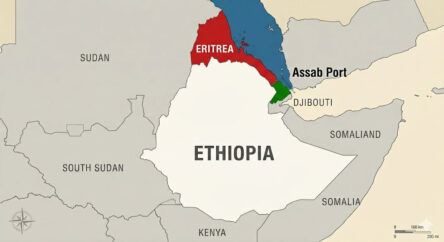
Ethiopia conducts more than 90% of its import and export trade through the Port of Djibouti, located near the Bab el-Mandeb Strait. Consequently, any disruption in the region could threaten the country’s economic security.
- Rising Transportation and Logistics Costs
The first major impact would be an increase in transportation and logistics costs. Attacks in the Red Sea could force cargo ships to use longer alternative routes, such as sailing around the Cape of Good Hope in South Africa.
This could extend maritime journeys by several weeks and substantially increase insurance premiums and fuel costs. As a result, Ethiopian maritime transport and logistics services, along with other international shipping companies, could be forced to raise their tariffs, increasing the prices of imported goods.
Ethiopia relies heavily on imports of fuel, fertilizer, medicine, and raw materials for its factories. When logistics costs rise and shipments are delayed, shortages may develop in domestic markets. This could further worsen the existing cost-of-living crisis and inflation. - Impact on Ethiopia’s Export Earnings
Products such as coffee, sesame, and oilseeds, which are major sources of Ethiopia’s foreign currency earnings, are transported to international markets through this route.
Shipping delays could prevent these products from reaching buyers on time and may affect their quality. Higher freight costs could also weaken the competitiveness of Ethiopian products in international markets. - Reported Houthi Expansion in the Red Sea
The Houthis of Yemen have reportedly taken control of a key island located in the Bab el-Mandeb Strait. This has placed at risk a major maritime trade route connecting Europe and Asia.
According to officials, Saudi-backed Yemeni government forces withdrew from Perim Island on Friday. Following this, the Iran-backed Houthis, who had been making rapid advances for a week, reportedly took control of Yemen’s entire Red Sea coastline.
Eyewitnesses reported seeing militants deployed along the Bab el-Mandeb coast, with military vehicles moving in the surrounding area.
The Houthis subsequently continued their advance and reportedly captured the Hanish Islands on Monday, strengthening their position in the Red Sea near the Horn of Africa countries of Djibouti and Eritrea.
Military sources stated that Perim Island, a strategically important island in the strait, fell under Houthi control one day after the group captured the port city of Mocha.
Residents of Mocha said Houthi fighters entered the city on Wednesday after intense fighting with government-backed forces. - Displacement and Rising Fuel Prices
The fighting forced many residents to flee their homes.
One individual told the BBC Arabic service that the conflict began without warning and forced many people to leave their communities amid distressing conditions, with injured people reportedly lying helplessly on the streets.
Hundreds of people have reportedly been killed since the militants launched an offensive against Saudi-backed government forces a week earlier.
The United Nations announced that at least 46,000 people had been displaced.
Djibouti’s Economy Minister, Elias Moussa Dawaleh, said that more than 1,400 people crossed the strait into Djibouti within just 24 hours because of the conflict.
The escalation also contributed to rising fuel prices. - Houthi Claims and International Shipping Concerns
The Houthis have stated that international maritime shipping faces no threat and that they are targeting only vessels departing from Saudi Arabia.
According to the report, Saudi Arabia has been exporting fuel through the Strait of Hormuz since the United States and Israel launched a war against Iran, which resulted in the closure of the strait.
Although the Houthis have claimed that they do not target international vessels, the group previously stated during the Gaza war that it would attack only ships connected to Israel.
However, after attacks were carried out against several vessels with no apparent connection to Israel, international shipping companies became increasingly concerned.
Meanwhile, Houthi military spokesperson Yahya Saree announced in a Telegram post that the group would carry out a “large-scale military operation with significant consequences.” - Why Is the Bab el-Mandeb Strait Important?
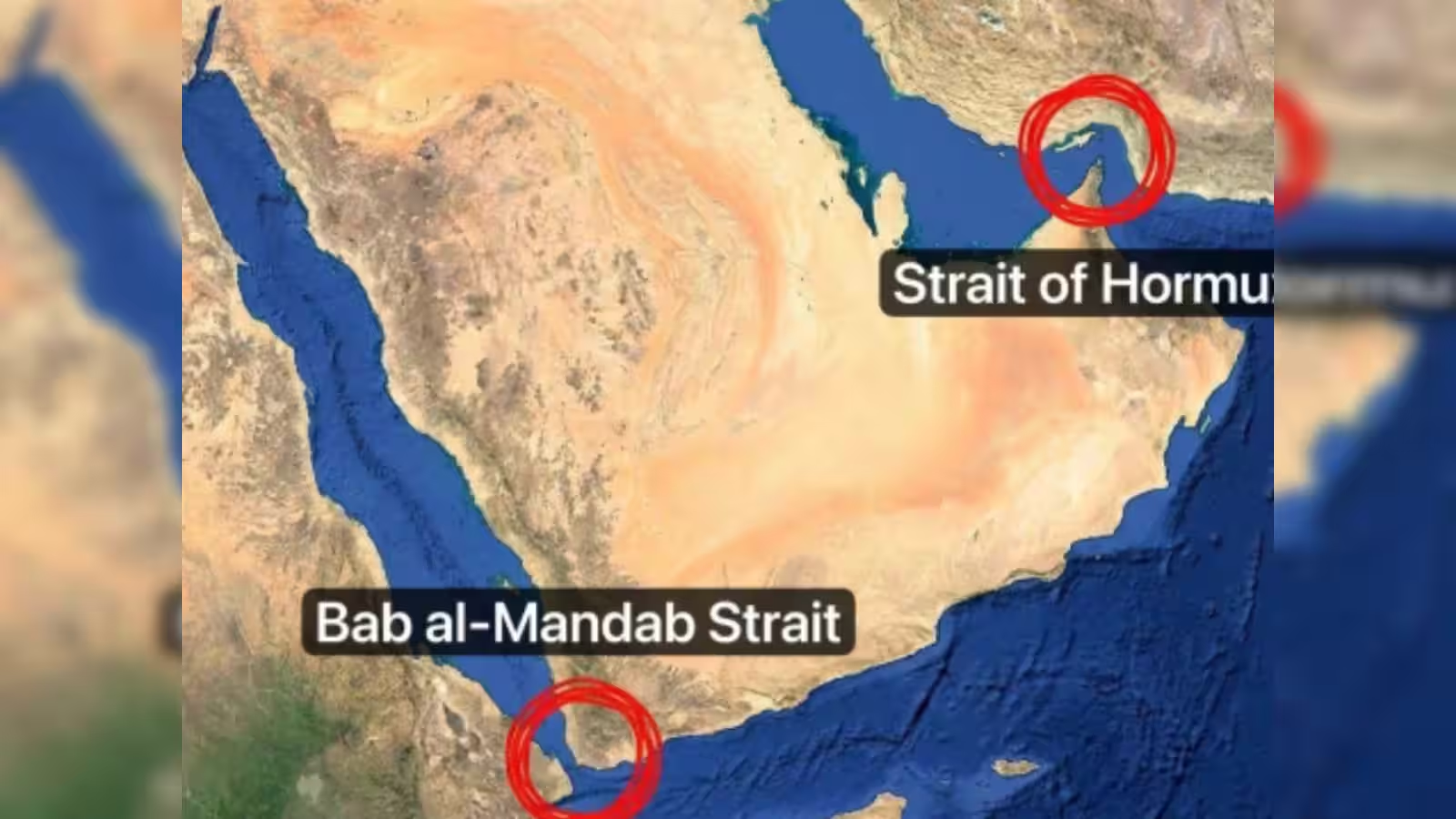
The Bab el-Mandeb Strait is located between Yemen on the Arabian side of the Red Sea and Djibouti and Eritrea on the African side.
Ships traveling from the Indian Ocean and the Gulf of Aden must pass through this strait to reach the Suez Canal.
The strait is approximately 36 kilometers wide and 115 kilometers long. After the Suez Canal opened in 1869, creating a shorter maritime route between Europe and Asia, the Bab el-Mandeb became a critical corridor for global trade.
Today, the Red Sea shipping route is one of the busiest maritime corridors in the world. Approximately one-quarter of the world’s shipping traffic reportedly passes through this route.
The Strait of Hormuz, through which approximately 20% of the world’s oil supply passes, has reportedly been closed because of the war in Iran.
The closure of the Bab el-Mandeb Strait could disrupt an additional 12% of the world’s oil supply.
Overall, prolonged instability around the Bab el-Mandeb Strait could increase Ethiopia’s import costs, disrupt exports, intensify inflationary pressures, and place additional strain on the country’s foreign-exchange reserves and macroeconomic stability.