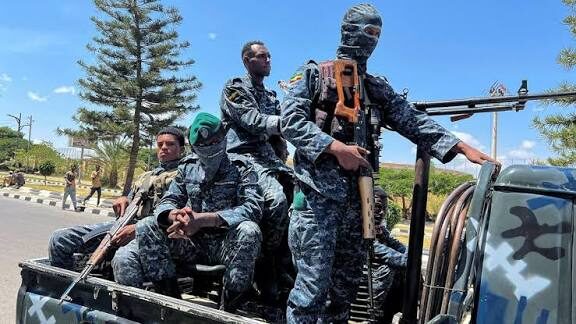
Ethiopia is facing a serious security challenge, and the implications extend far beyond its northern border On October 9, Ethiopia accused Eritrean forces of advancing into its territory and informed the United Nations that it had the right to defend itself. Eritrea rejected Ethiopia’s accusations and blamed Addis Ababa for escalating tensions.
But beyond these competing claims, three strategic issues deserve attention First, Ethiopia’s sovereignty. Protecting territorial integrity is a fundamental national interest. Any verified foreign military incursion into Ethiopian territory demands a serious response through appropriate defensive and diplomatic measures.
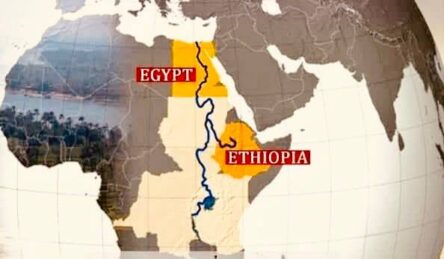
Second, access to the Red Sea. Ethiopia’s landlocked position creates long-term economic and strategic challenges. Reliable access to maritime trade routes matters for its imports, exports, and economic development. Ethiopia has a legitimate interest in pursuing negotiated arrangements that address these needs while respecting the sovereignty of neighbouring states.
Third, regional stability. Another prolonged conflict would put pressure on Ethiopia’s security, economy, and development priorities. It could also create opportunities for external actors to influence the balance of power in the Horn of Africa.
This is why Ethiopia’s response matters. Protecting national territory, presenting credible evidence to international institutions, strengthening diplomatic partnerships, and pursuing sustainable maritime access are connected parts of its broader strategic position.
Ethiopia’s interests require both firmness in defending its sovereignty and careful diplomacy to prevent tensions from becoming a wider regional conflict The country’s long-term position will depend not only on how it responds to immediate security threats, but also on how effectively it protects its economic interests and shapes the regional environment.