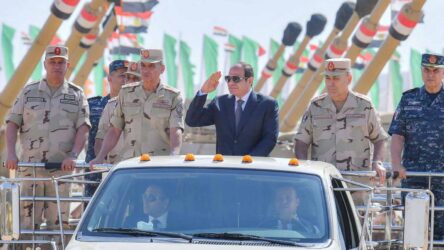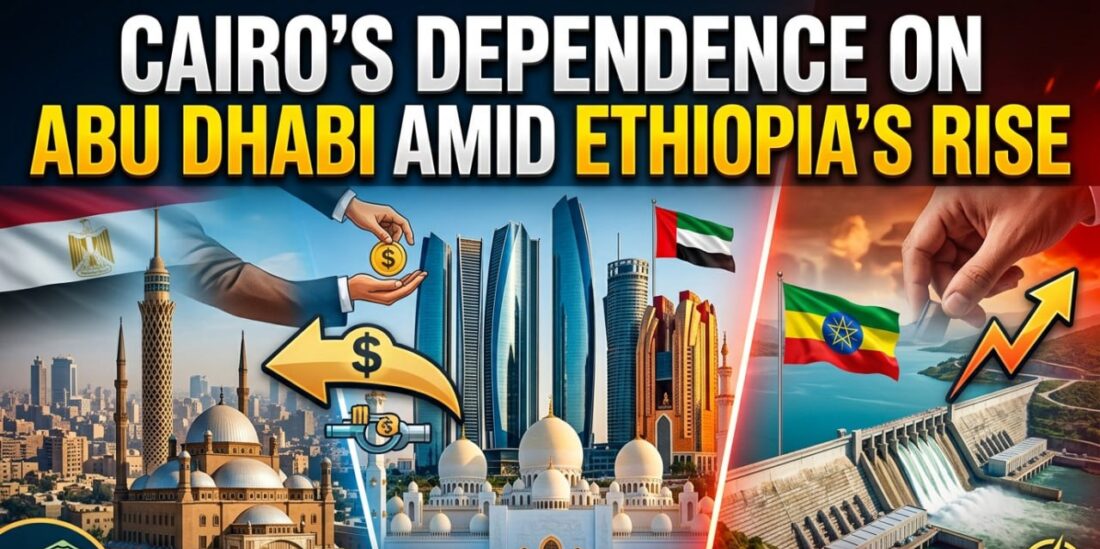
In the polished corridors of Abu Dhabi’s presidential palace, Egyptian President Abdel-Fattah al-Sisi recently found himself navigating familiar terrain: seeking Gulf largesse while masking deep frustrations. Just days after his latest trip to the UAE, Ethiopian Prime Minister Abiy Ahmed touched down in the same emirate, underscoring a geopolitical reality that grates on Cairo. Egypt, the self-styled “Mother of the World”, needs Emirati money to stave off economic collapse. Yet it watches with mounting alarm as the UAE deepens its friendship with Ethiopia, the very nation Sisi views as an existential threat to Egypt’s lifeline, the Nile.
This dynamic captures a broader power shift in the Middle East and Horn of Africa. Once the Arab world’s cultural and political heavyweight, Egypt now leans heavily on nimble, resource-rich Gulf players like the UAE. The relationship, as one recent analysis put it, mixes necessity with quiet resentment. Sisi’s visits often yield investment pledges crucial for Egypt’s creaking economy debt servicing, infrastructure, and stability. But Abu Dhabi’s pragmatic outreach to Addis Ababa leaves Cairo feeling hemmed in.
Egypt’s vulnerabilities are no secret. Years of economic strain high debt, inflation, population pressures, and the fallout from regional conflicts have forced Cairo to court Gulf capital aggressively. Emirati investments in Egyptian assets, ports, real estate, and energy projects provide a vital buffer. Without them, fiscal crises could spiral. Sisi’s government has sold stakes in prized state assets to Gulf entities, a move that stings national pride but buys breathing room.
The UAE, under President Mohamed bin Zayed, operates with commercial clarity. It seeks returns on investments and regional influence. Abu Dhabi has backed Egypt against shared threats like political Islam and Iranian proxies. Yet its foreign policy is not bound by sentiment. The UAE sees Ethiopia a fast-growing economy of over 130 million people with ambitious infrastructure goals as a promising partner. Bilateral ties have expanded in trade, agriculture, logistics, and security. Reports of Emirati financing or facilitation for Ethiopian projects, including potential dam-related infrastructure, add to Egyptian suspicions.
At the heart of Cairo’s anxiety lies the Grand Ethiopian Renaissance Dam (GERD). Ethiopia completed filling and inaugurated the massive hydropower project on the Blue Nile, which Egypt fears could restrict vital downstream flows, especially during droughts.
Sisi has called water security an existential issue, warning that unilateral actions threaten millions. Negotiations for a binding agreement remain stalled despite AU, U.S., and other mediation attempts. Ethiopia insists the dam is for development and poses no harm; Egypt demands guarantees.
UAE-Ethiopia relations have grown steadily. Abiy’s government values Emirati investment in its economy and ports, as well as past mediation roles in the Horn. Recent visits by Abiy to Abu Dhabi highlight ongoing cooperation, even as Sisi makes his own trips. Egyptian officials privately express frustration that Abu Dhabi’s balancing act maintaining strong ties with Cairo while engaging Addis undermines Egypt’s leverage on the Nile file.
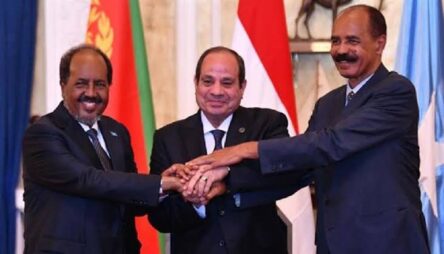
Sisi cannot easily confront the UAE. Economic dependence limits his options. Public criticism risks alienating a key financier at a time when Egypt needs billions in support. Instead, Cairo pursues parallel diplomacy: strengthening ties with Eritrea and Somalia to counter Ethiopian influence in the Horn, and appealing to international forums. But these moves yield limited results against the UAE’s flexible partnerships.
The irony is palpable. Egypt offered military support to Gulf states in past conflicts, including against Iran-backed threats. Yet today, Sisi receives polite but businesslike receptions sometimes symbolized by understated meetings rather than grand pageantry while watching the “upstart” UAE court his regional rival. Many Egyptians view this as a humbling reversal for a civilization that once shaped Arab identity.
For its part, the UAE appears unperturbed. Its leaders prioritize stability, economic diversification, and influence across the Red Sea corridor. Aligning too closely with Egypt’s maximalist Nile position could jeopardize opportunities in Ethiopia. Abu Dhabi has at times offered mediation on the GERD but shows no inclination to pressure Addis Ababa at the expense of its broader interests.
This leaves Sisi in a bind. He requires UAE financial backing to maintain domestic stability and fund development. Yet every Emirati investment in Ethiopian infrastructure or closer political coordination chips away at Egypt’s sense of control over its historic river. Analysts note that neither side will let tensions rupture the core Egypt-UAE partnership shared interests against common foes remain too important. But the frictions highlight a new Middle East: one where smaller, wealthier Gulf states set agendas that larger, historically dominant players like Egypt must accommodate.
As Abiy and Sisi shuttle through Abu Dhabi’s airports in close succession, the message
is clear. Ethiopia’s rise, backed by pragmatic Gulf partnerships, continues apace. Egypt’s leadership, for all its historical grandeur, finds its influence constrained by the very alliances it needs for survival. The Mother of the World must now navigate a landscape where upstarts hold significant cards and where dependence breeds both gratitude and grievance.