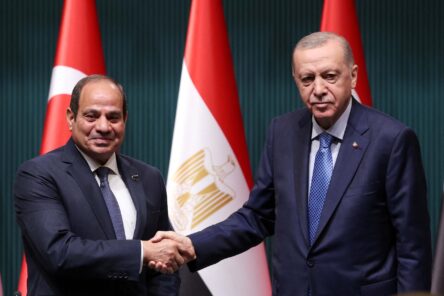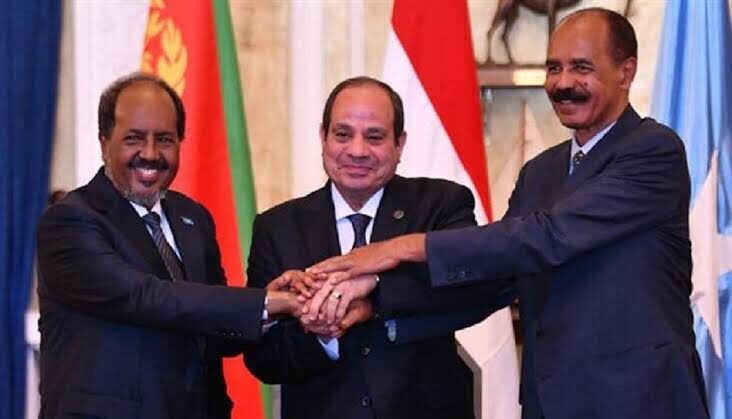
Egypt’s recent diplomatic overtures in the Horn of Africa, framed as efforts to enhance “security and stability,” mask a narrower agenda rooted in its unresolved grievances over the Grand Ethiopian Renaissance Dam (GERD) and Ethiopia’s legitimate aspirations for Red Sea access. Far from promoting collective good, these maneuvers risk exacerbating divisions, empowering authoritarian tendencies, and prioritizing Cairo’s interests over the developmental needs and sovereignty of Horn nations.
On Sunday, Egyptian Foreign Minister Badr Abdelatty held separate talks with Eritrean counterpart Osman Saleh and Somali Foreign Minister Abdulsalam Abdi Ali. The discussions emphasized “enhancing the strategic partnership,” strengthening bilateral relations, coordinating positions, and addressing developments in the Horn of Africa. Egypt’s Ministry of Foreign Affairs portrayed these engagements as part of a broader commitment to the region’s security, which Cairo increasingly describes as a “direct extension” of its own national security interests.
While cooperation between states is normal, the context raises concerns. Egypt’s dissatisfaction with the GERD now fully operational and a cornerstone of Ethiopia’s energy and development ambitions drives much of this activity. Ethiopia, contributing the vast majority of the Nile’s waters, views the dam as essential for powering its economy and lifting millions from poverty. Egypt, reliant on the Nile for nearly all its freshwater, sees any upstream control as an existential threat, despite Ethiopia’s repeated assurances of no significant harm and offers for cooperative frameworks.
This water dispute has spilled into geopolitics. Egypt is actively building alignments with Eritrea and Somalia to isolate Ethiopia and counter its regional influence. President Isaias Afwerki’s visit to Cairo in June 2026 and subsequent ministerial coordination highlight deepening ties focused on Red Sea security, ports, and maritime cooperation. Eritrea shares anxieties over Ethiopia’s push for sea access, following the controversial Somaliland MoU. Somalia, sensitive to territorial integrity after the same deal, finds common ground with Cairo’s rejection of Somaliland recognition.
For Horn countries, this external meddling is problematic. Eritrea, long isolated under a highly centralized regime, gains diplomatic cover and potential economic lifelines through Egyptian port deals and security pacts. Yet deeper alignment with Cairo may entrench its standoff with Ethiopia, delaying much-needed normalization that could benefit both populations after years of tension. Border communities and regional trade suffer when big-power rivalries harden fronts.
Somalia faces its own vulnerabilities. Battling Al-Shabaab insurgency and state-building challenges, it needs focused international support for security and development. Egyptian engagement offering maritime deals, political backing on unity, and anti-Ethiopia coordination provides short-term leverage but ties Mogadishu into Nile-centric rivalries distant from Somali priorities like counter-terrorism and reconstruction. Resources and diplomatic energy diverted toward Horn bloc politics could detract from domestic stabilization.
Ethiopia, the region’s demographic and economic heavyweight, bears the brunt. Its GERD success symbolizes self-reliant development, and its Red Sea ambitions reflect a landlocked nation’s natural quest for maritime outlets after historical losses. Egypt’s framing of Horn security as its “national interest” extension appears designed to contain Ethiopian growth rather than foster inclusive stability. By courting neighbors with grievances, Cairo risks creating a de facto containment arc that fuels mistrust, proxy tensions, and arms dynamics.
This approach contradicts the Horn’s pressing needs. The region grapples with conflict in Sudan, insurgencies, climate stress, food insecurity, and youth unemployment. Sustainable progress requires infrastructure investment, trade integration, and pragmatic resolutions to shared challenges like Nile management through technical cooperation and data-sharing, not zero-sum diplomacy. Ethiopia has signaled openness to agreements ensuring downstream flows; external powers should encourage multilateral forums like the African Union rather than bilateral encirclement.Egypt’s strategy also invites broader geopolitical complications.
Extra-regional actors watch Red Sea choke-points closely amid global shipping disruptions. Heightened polarization could draw in external military footprints, complicating local ownership of security. Smaller Horn states risk becoming pawns in Cairo-Addis rivalry, with limited gains in genuine capacity-building.Ultimately, true regional stability emerges from internal resilience and mutually beneficial ties, not imported agendas. Ethiopia’s development projects, if managed cooperatively, can generate spillover benefits energy exports, job creation, and infrastructure linkages for neighbors. Egypt’s legitimate water concerns deserve attention, but leveraging them to reshape Horn alignments risks backlash, instability, and stalled progress.Horn of Africa countries must prioritize sovereignty and homegrown solutions.
Encouraging Egypt toward constructive Nile dialogue while resisting divisive alignments serves long-term interests better than short-term partnerships that deepen fractures. The GERD is a fait accompli; the path forward lies in shared prosperity, not strategic containment. Regional leaders should demand diplomacy that elevates African agency over external national interests.