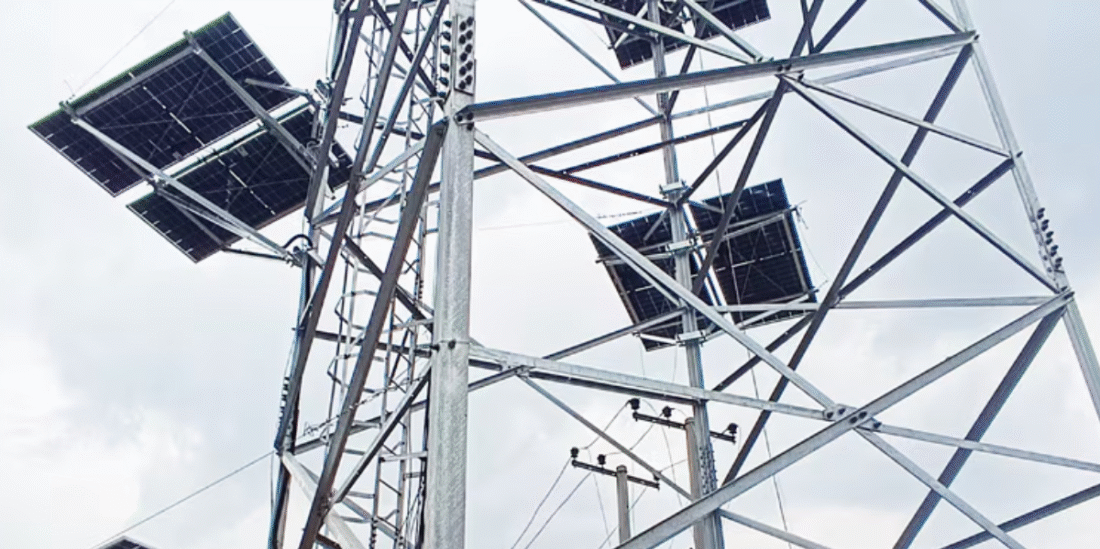
Ethio Telecom has taken a decisive step toward sustainable development by partnering with Huawei to launch Africa’s first solar-on-tower deployment. This initiative represents a landmark moment for both the telecommunications industry and the continent’s broader efforts to embrace renewable energy solutions. As Ethiopia continues to expand its digital infrastructure, the integration of clean energy into network operations sends a strong signal of commitment to environmental responsibility and technological innovation.
The project involves the installation of solar panels directly onto telecom towers, enabling them to generate their own energy rather than relying solely on the national grid or diesel generators. For a country like Ethiopia, where expanding telecom services must often reach rural and remote areas, the ability to produce clean energy on-site addresses two critical challenges at once. It ensures stable connectivity for communities that may not have consistent access to electricity, and it reduces the carbon footprint associated with powering telecommunications infrastructure.
The collaboration between Ethio Telecom and Huawei highlights the growing importance of public-private partnerships in accelerating Africa’s transition to renewable energy. Huawei’s expertise in green technology provides the technical foundation, while Ethio Telecom’s extensive network infrastructure offers the practical scale for deployment. Together, they are setting a precedent that other African operators are likely to follow, especially as demand for digital services continues to rise across the continent.
The environmental benefits of this initiative are significant. Diesel-powered generators, traditionally used to sustain telecom towers, are costly, polluting, and unsustainable in the long run. By replacing or supplementing them with solar power, Ethio Telecom is cutting both emissions and operational expenses. The move also reduces dependence on fossil fuel supply chains, which are vulnerable to price fluctuations and logistical challenges. Solar energy, once harnessed, provides a stable and renewable source of power that aligns with Ethiopia’s broader climate goals.
At the same time, the project carries economic and social implications. Reliable and greener connectivity is essential for Ethiopia’s ongoing digital transformation, which supports education, entrepreneurship, and access to services. In rural regions, where connectivity has often been limited by infrastructure gaps, solar-on-tower solutions can help bridge the divide by ensuring consistent power for telecom services. This strengthens digital inclusion and provides new opportunities for communities to engage in the digital economy.
Globally, the telecom industry is under pressure to lower its environmental impact. Data usage, 5G expansion, and the growing number of connected devices have increased the sector’s energy demands. Ethio Telecom’s decision to pioneer solar-on-tower technology demonstrates how African operators can not only catch up with global trends but also set new standards for
sustainable innovation. By adopting a renewable-first approach at this stage of network development, Ethiopia is positioning itself as a leader in green telecommunications.
The success of this initiative will likely influence policy and investment across Africa. Governments and regulators are paying closer attention to the intersection of digital infrastructure and sustainability. Ethio Telecom’s example offers proof that clean energy solutions are not only feasible but also beneficial in terms of long-term efficiency, resilience, and environmental protection. International development partners and investors may also view such projects as attractive opportunities for collaboration.
This milestone reinforces the idea that Africa can lead in the adoption of innovative solutions tailored to its unique context. By combining renewable energy with expanding telecom services, Ethio Telecom and Huawei have created a model that is both practical and visionary. It demonstrates that connectivity and sustainability are not opposing goals but complementary priorities that can drive progress together.