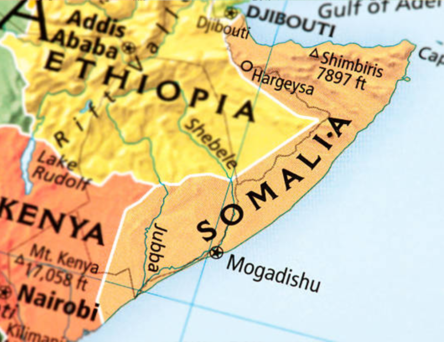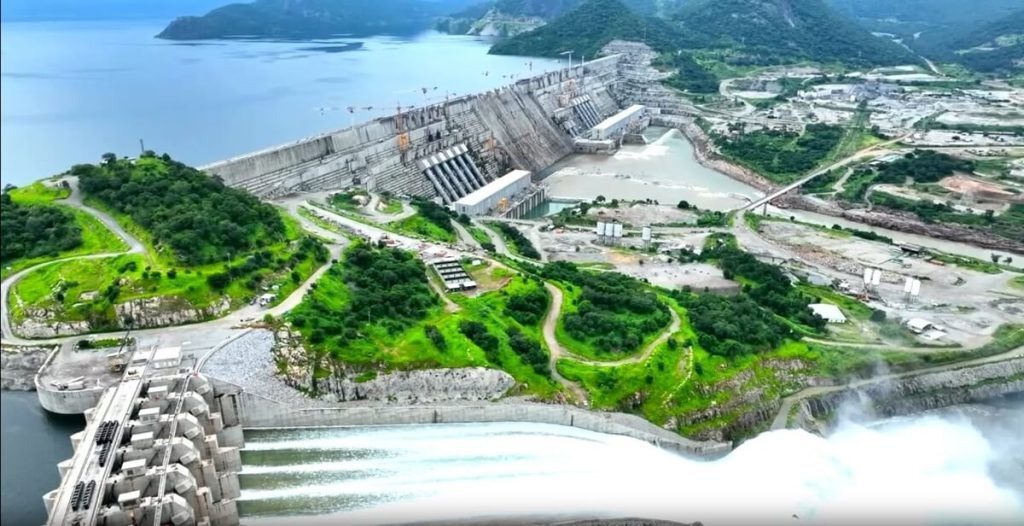
The Grand Ethiopian Renaissance Dam (GERD) stands as the largest hydroelectric project in Africa and is now on the verge of inauguration. Located in Guba on the Blue Nile, just 30 kilometers from the Sudanese border, the project is expected to generate 5,000 megawatts of electricity, effectively doubling Ethiopia’s current power capacity. For a country where nearly half of the population still lives without electricity, the dam represents both a symbol of progress and a practical tool for economic transformation.
Prime Minister Abiy Ahmed has described the GERD as a cornerstone for future national development. In a televised address, he emphasized that the dam will generate $1 billion annually, funds that the government intends to channel into further projects. Since its launch in 2011 at an estimated cost of $4 billion, the GERD has been at the heart of Ethiopia’s ambitions to become a regional energy hub.
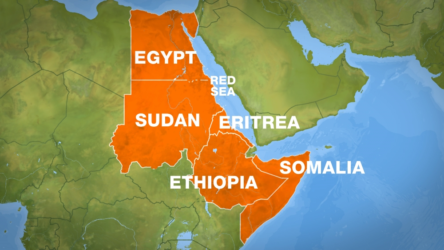
The dam has also been the focus of intense geopolitical friction. Egypt and Sudan have repeatedly criticized Addis Ababa’s unilateral approach to construction and filling, warning that their water security is at risk. Egypt, in particular, views the project as an existential issue since the Nile provides almost all of its freshwater supply. In response, Prime Minister Abiy has insisted that the GERD will not reduce water availability downstream, pointing to the fact that neither Egypt nor Sudan has lost measurable volumes of water since operations began.
Beyond its political controversies, the GERD highlights Ethiopia’s strategy of harnessing natural resources for national growth. By exporting surplus electricity to neighboring countries, Ethiopia hopes to generate revenue while also fostering regional interdependence. The World Bank estimates that as of early 2025, more than 60 million Ethiopians remain without electricity. The GERD, once fully operational, will not only expand domestic access but also provide a foundation for industrialization and rural electrification.
Critics argue that the project has strained Ethiopia’s international relations, yet its supporters see it
as an assertion of sovereignty and a necessary step toward economic modernization. For ordinary Ethiopians, the dam is more than concrete and turbines; it embodies aspirations of self-reliance, growth, and stability. The promise of $1 billion in annual earnings gives the government a powerful financial resource at a time when the country faces both developmental challenges and mounting debt obligations.
As the inauguration approaches, the GERD symbolizes a turning point for Ethiopia. It is a project that has tested regional diplomacy, fueled national pride, and redefined the country’s path toward energy independence. Whether it becomes a catalyst for cooperation or remains a flashpoint of contention will depend on the political will of all Nile Basin states. What is certain, however, is that the GERD has already reshaped the conversation about development, sovereignty, and the future of energy in Africa.