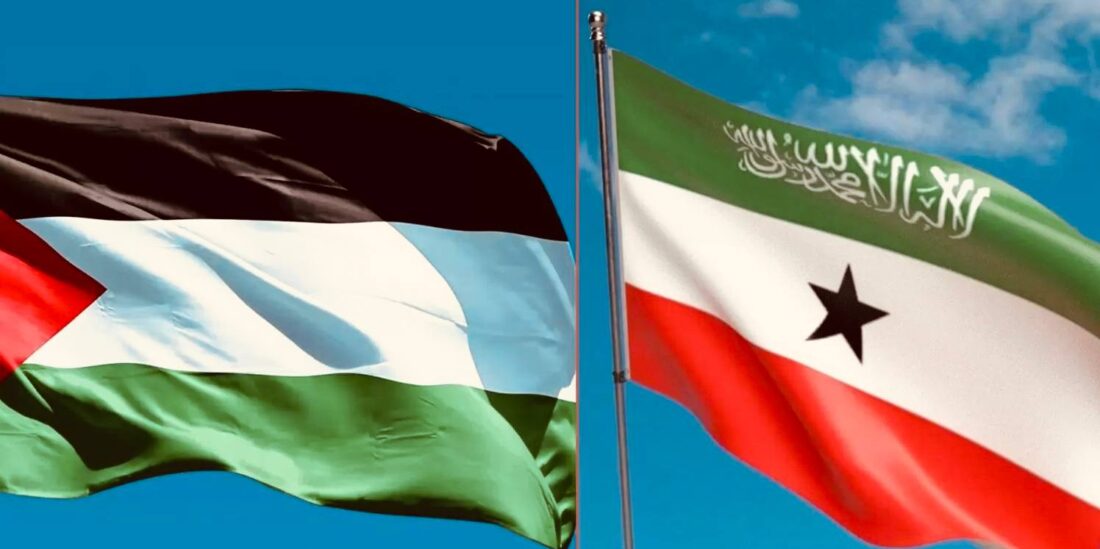
In the grand theater of international diplomacy, few causes ignite Arab League capitals like the Palestinian quest for self-determination. From Cairo to Riyadh, Baghdad to Algiers, flags wave, resolutions pass, and rhetoric burns with passion for a people’s right to dignity, statehood, and freedom from occupation. Yet, just across the Gulf of Aden, another story unfolds with striking parallels and a conspicuous void of Arab empathy. Somaliland, a self-governing region in the Horn of Africa, has pursued recognition, stability, and self-rule for over three decades. Why the fervent embrace of one and the stony silence or outright opposition toward the other? Is this principled diplomacy rooted in consistent values, or selective solidarity shaped by politics, pan-Arabism, and strategic interests?
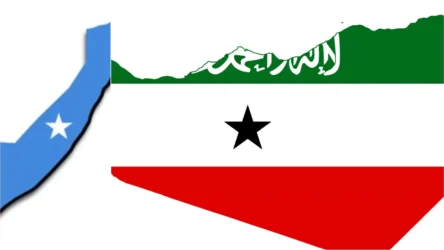
Somaliland’s case is compelling on its merits. In 1960, British Somaliland gained independence before uniting with Italian Somaliland to form Somalia. Decades of marginalization under Siad Barre’s dictatorship culminated in brutal repression, including the 1988 Isaaq Genocide that killed tens of thousands. When Somalia’s central government collapsed in 1991 amid civil war, Somaliland’s clans reconvened in Borama and declared restoration of their pre-union sovereignty. Since then, it has built a functioning state from the ruins: a hybrid political system blending traditional elders with multiparty democracy, regular elections, its own currency, passports, military, and police that maintain relative order.
With around 6 million people, Somaliland boasts greater stability than Somalia proper. Al-Shabaab finds little foothold here. Berbera Port, upgraded with UAE investment, serves as a strategic Red Sea gateway. Livestock exports, remittances, and emerging mineral potential sustain an economy estimated at over $7 billion
GDP modest but self-reliant compared to Somalia’s aid dependency and chronic fragility. Somaliland meets every Montevideo Convention criterion for statehood: permanent population, defined territory, government, and capacity for international relations. Yet, it remains unrecognized, trapped by Africa’s sacrosanct colonial borders and Somalia’s claim of indivisible unity.
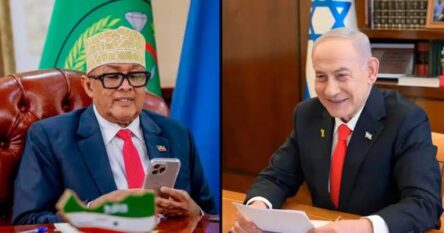
Contrast this with Palestine. Arab states passionately advocate for Palestinian rights to self-determination, invoking international law, UN resolutions, and the injustice of occupation. They host summits, fund aid, and mobilize global opinion. This solidarity reflects genuine historical, cultural, and religious ties Palestine as a symbol of resistance against perceived imperialism. The hypocrisy emerges in the inconsistent application of these principles. Somaliland is are overwhelmingly Sunni Muslims, like their Arab brethren. Their struggle echoes post-colonial self-determination: reclaiming sovereignty after a failed union, escaping authoritarian collapse, and building peace where Mogadishu could not. They have governed themselves longer than many recognized states have existed in their current form. Yet Arab League members, including Egypt, Saudi Arabia, and others, routinely affirm Somalia’s “territorial integrity.” When Israel recognized Somaliland in December 2025 the first UN member to do so the Arab League held emergency meetings, condemned it as “illegal,” “null and void,” and a threat to stability, linking it even to alleged Palestinian displacement plots. Egypt has been particularly vocal, reiterating support for Somali unity while slamming Somaliland’s diplomatic moves.
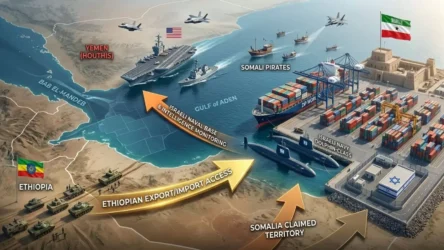
This stance prioritizes pan-Somali or pan-Arab solidarity, Red Sea geopolitics, and opposition to anything Israel touches over consistent self-determination. Egypt’s Nile and Horn strategy, countering Ethiopia (which has security and port interests in Somaliland), adds layers. Somalia’s membership in the Arab League binds ties; Somaliland, despite cultural affinities, does not fit the narrative. The result? A de facto independent, peaceful Muslim polity denied the dignity Arab states demand for Palestinians.
Critics rightly note risks: recognizing Somaliland could inspire other African secessionists, destabilizing fragile states. The African Union prioritizes colonial borders for this reason. However, Somaliland’s unique history brief sovereign
existence in 1960, voluntary union, and restoration after genocide distinguishes it. Rigid territorial integrity, when applied selectively, becomes a tool to freeze failed states rather than reward functional governance. Many Somalilanders argue their success proves the opposite: self-rule brings peace where imposed unity breeds chaos. Arab states’ selective solidarity raises deeper questions about authenticity. If self-determination is sacred for Palestinians enduring occupation and displacement, why not for Somalilanders who endured Barre’s bombs and forged stability without international handouts? Passionate advocacy for one while ignoring or blocking the other suggests solidarity filtered through identity politics, anti-Israel reflexes, and intra-regional power plays rather than universal principles. UAE engagement in Berbera hints at pragmatic exceptions among Gulf states, but broader Arab consensus remains with Mogadishu.
True principled diplomacy would acknowledge Somaliland’s realities: invite dialogue on mutual recognition or confederation, support its democratic experiments, and apply self-determination evenly. Hypocrisy erodes moral authority. As Arab leaders decry Palestinian plight, millions in Hargeisa ask: Where is our seat at the table? Why does Arab solidarity end at the Somali border?
Somaliland’s quest tests whether international norms and Arab diplomacy favor justice and functionality or convenience and clan. Until answered honestly, the region’s selective outrage will ring hollow, exposing not strength in unity, but fractures in principle. The world, and especially the Arab League, owes Somalilanders a consistent answer on self-determination. Selective silence serves no one.