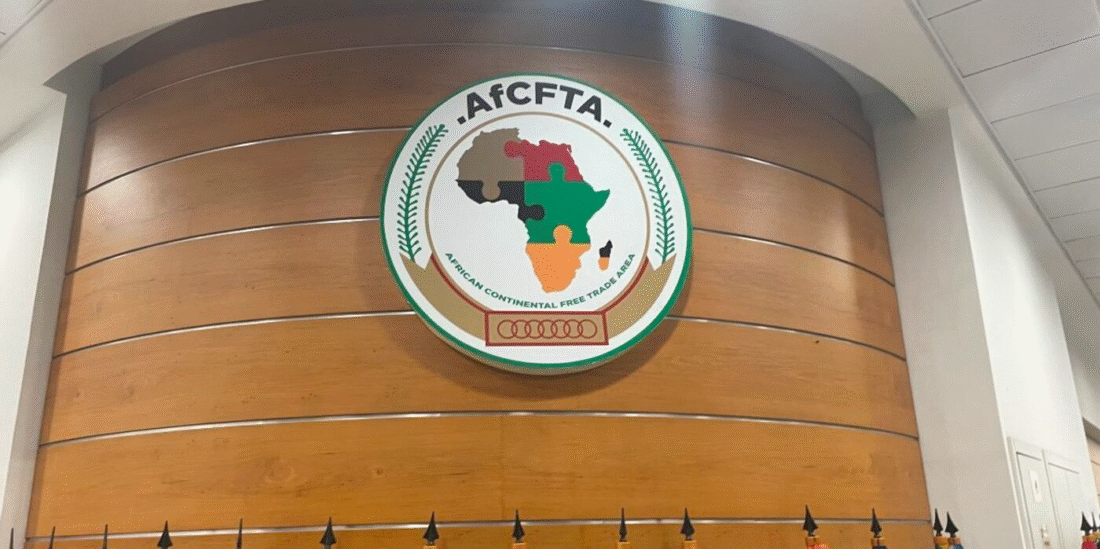
Ethiopia is set to begin its first trade transactions under the African Continental Free Trade Area (AfCFTA) next month, a long-awaited step that has been delayed multiple times due to policy alignment, logistical challenges, and institutional readiness issues. The move represents a turning point in Ethiopia’s pursuit of deeper economic integration within Africa, positioning the country to benefit from the continent’s ambitious single market initiative.
The AfCFTA, which brings together 54 African nations into the world’s largest free trade area by membership, seeks to remove tariffs on 90% of goods, harmonize trade regulations, and stimulate intra-African trade. For Ethiopia, joining the operational phase offers the chance to diversify exports, attract foreign and regional investment, and create new economic opportunities for businesses and entrepreneurs.
Officials from Ethiopia’s Ministry of Trade and Regional Integration have indicated that the first phase of trading will focus on sectors where Ethiopia has a comparative advantage—particularly agricultural products, textiles, and light manufacturing goods. In preparation, the government has undertaken measures such as modernizing customs systems, harmonizing product standards with continental norms, and providing guidance to local businesses on AfCFTA rules of origin.
Trade experts note that Ethiopia’s participation could not only expand its access to Africa’s growing consumer base but also strengthen its industrialization agenda by integrating into regional supply chains. In particular, tariff-free access to key African markets could help Ethiopian producers compete more effectively against imports from outside the continent.
However, challenges remain. Infrastructure gaps, high transportation costs, and persistent non-tariff barriers could limit the immediate impact of the agreement. Additionally, businesses will need support in adapting to new regulatory requirements and competitive pressures that come with a liberalized market.
Despite these hurdles, the move is widely seen as a strategic step forward. If implemented effectively, Ethiopia’s entry into AfCFTA could boost its export earnings, generate employment, and enhance its position as an emerging player in Africa’s unified market—paving the way for greater economic resilience and regional cooperation in the years ahead.