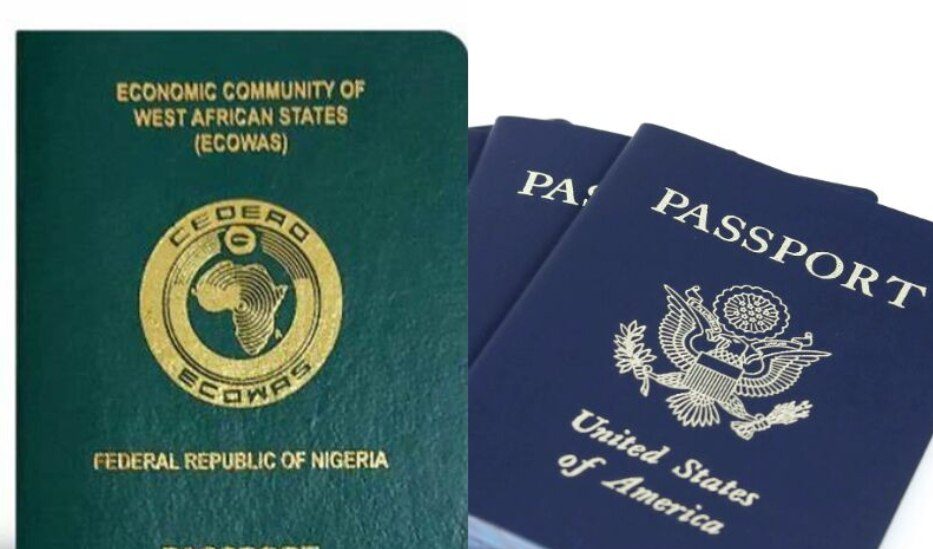
Nigeria has declared its intention to implement reciprocal visa rules for American citizens, a response to the United States’ requirement that Nigerian visa applicants disclose their social media history from the past five years. The U.S. Mission in Nigeria publicized this regulation on its official X platform, warning that failure to comply could result in visa denials and possible restrictions on future entry into the country. The measure, first introduced under the Trump administration, was designed to strengthen national security through expanded vetting procedures.
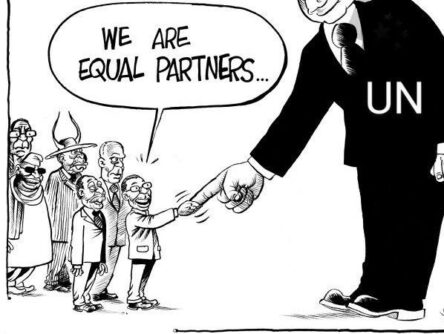
The Nigerian Ministry of Foreign Affairs has stated that it will apply the principle of reciprocity, ensuring that U.S. citizens face similar requirements when seeking Nigerian visas. Ministry spokesman Kimiebi Ebienfa underscored this by emphasizing that visa relations between states must be mutual, insisting that Nigeria cannot remain passive when its citizens are subjected to additional restrictions abroad. The government’s decision reflects broader concerns over how foreign immigration policies affect Nigerians who frequently travel for education, business, and cultural exchanges.
By adopting reciprocal measures, Nigeria aims not only to safeguard its citizens from one-sided regulations but also to assert its sovereignty in diplomatic and immigration matters. The move highlights the delicate balance between international cooperation on security and the right of states to defend their nationals against disproportionate scrutiny. While some observers see the policy as a necessary assertion of equality, others worry it could complicate bilateral relations, particularly in trade, education, and diplomatic engagement. What is clear is that Nigeria is signalling a more assertive stance in protecting the dignity and rights of its citizens on the global stage.