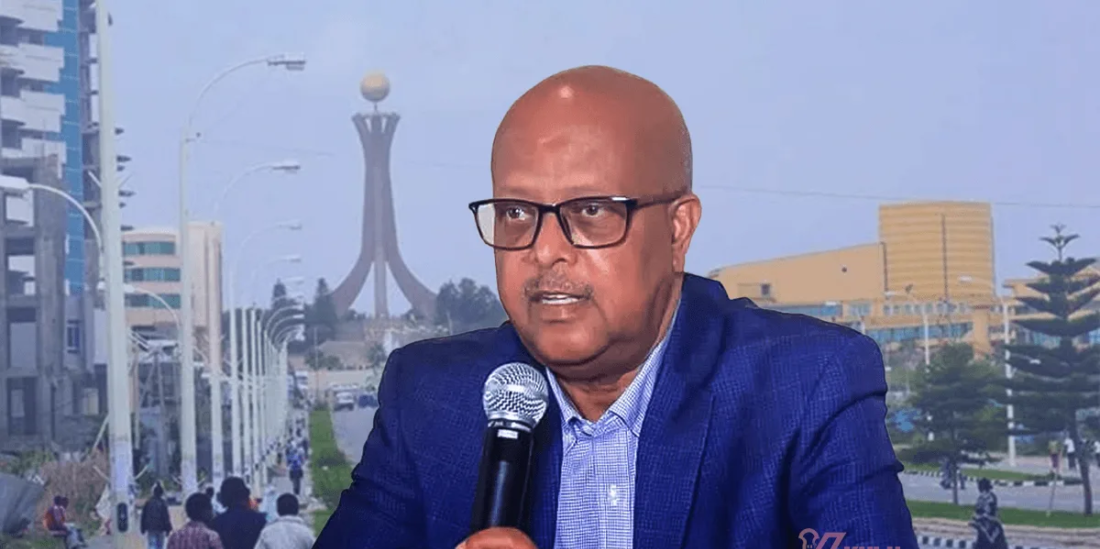
“General Tsadkan Gebretensae has revealed that the TPLF is preparing a large-scale military offensive against Ethiopia, with Sudan serving as the main staging ground. Instead of the expected push toward Wolkait, the TPLF is shifting its strategy to launch attacks from the Benishangul-Gumuz region in western Ethiopia.
According to the General, TPLF forces have already organized ‘Army 70’ inside Sudan, moved additional units including ‘Army 13’ across the border, and conducted joint operations with Sudanese forces as far as Kurmuk. These preparations raise serious concerns about a renewed war that could come from outside Ethiopia’s borders, potentially with external support. In this report, we examine the details of the TPLF’s alleged cross-border strategy through Sudan, the violations of the Pretoria Agreement, and the international community’s growing response.”
Recent intelligence and military assessments have raised serious alarms over the Tigray People’s Liberation Front (TPLF)’s alleged plans to reignite large-scale conflict in Ethiopia. According to General Tsadkan Gebretensae, the TPLF is actively drafting a broad strategy to break into central Ethiopia by opening multiple fronts, with Sudan serving as the primary external staging ground. This development underscores a dangerous regional dimension to Ethiopia’s internal security challenges, linking TPLF activities directly to cross-border operations involving Sudanese territory and forces.
General Tsadkan revealed that while many anticipated renewed hostilities in areas like Wolkait, the TPLF has shifted focus toward an unexpected western corridor. After repeated provocations along the Afar and Amhara borders, the group is now prioritizing an offensive from western Ethiopia specifically the Benishangul-Gumuz Region to penetrate the country’s interior. This route offers what the TPLF reportedly sees as a vulnerable entry point where Ethiopian federal forces have historically maintained lighter deployments.
Central to these preparations is the use of Sudan as a launchpad. General Tsadkan cited concrete intelligence and observed troop movements, claiming that TPLF commanders are implementing a comprehensive external attack strategy. Key to this is “Army 70,” a formation allegedly organized and based in Sudan for years, designed to act as a regional balancing force. Additional units are being funneled into Sudan to bolster capabilities for strikes into Ethiopian territory. Notably, “Army 13” recently crossed into Sudan, with surviving elements joining Army 70 after sustaining losses. The General detailed that Army 13 faced two drone strikes during its movement one acknowledged by the TPLF in Shiraro, and another in Shereri after entering Sudanese territory.
Despite these setbacks, the forces regrouped. Reports further indicate that Army 70 has operated alongside Sudanese forces along the Benishangul-Gumuz corridor. The unit advanced as far as Kurmuk, engaged in combat, suffered casualties, and withdrew. These movements toward the Kurmuk border area signal preparations for an assault from a direction that has received relatively less federal attention, though Ethiopian authorities are now said to have reinforced positions across all fronts. The Sudan Link and Alleged External SupportThe TPLF-Sudan connection is particularly concerning for regional stability.
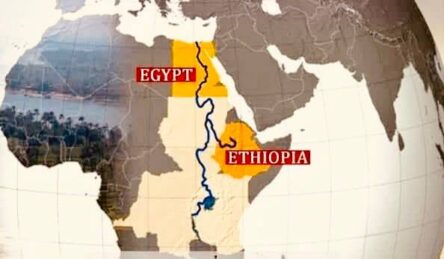
By using Sudanese territory as a sanctuary and staging area, the TPLF aims to facilitate direct external support. General Tsadkan alleged that Egypt, Eritrean forces (“Shaebia”), and elements loyal to Sudan’s General Abdel Fattah al-Burhan could provide logistical and material backing should attacks from Sudan materialize. This alleged network transforms a domestic Ethiopian conflict into a proxy arena involving multiple Nile Basin and Horn of Africa actors, with Sudan playing a pivotal role as both host and potential facilitato
Previous intelligence had already flagged possible TPLF incursions toward Wolkait via the Tekeze corridor from Sudan, prompting federal reinforcements in those areas. The current strategy appears to combine external infiltration through Benishangul-Gumuz with potential internal disruptions, maximizing pressure on Ethiopian defenses. Such maneuvers not only threaten Ethiopia’s sovereignty but also risk drawing Sudan deeper into conflict, destabilizing the already fragile border regions shared by the two nations. International Concern and Violations of the Pretoria AgreementThe international community has grown increasingly vocal about the risk of renewed war. On Friday, June 26 (Ethiopian Calendar 2018), the U.S. Embassy in Addis Ababa issued a statement urging political leaders and civil society to engage in genuine dialogue and fully implement the Pretoria Agreement. The U.S.
emphasized African Union-led mediation and called on parties obstructing peace to cooperate urgently. This followed Washington’s imposition of visa restrictions on hardline TPLF members and their families, citing their role in undermining stability and risking renewed northern Ethiopian conflict. The TPLF condemned the measures as “unbalanced,” claiming they ignored realities on the ground and failed to address federal government actions. The European Union similarly expressed opposition to reported TPLF military activities.
These statements reflect broad concern that the TPLF is systematically eroding the Pretoria Agreement that ended the devastating northern Ethiopia war. Signed after TPLF forces faced significant setbacks with federal troops advancing on Mekelle the agreement required disarmament and demobilization of TPLF fighters. Critics argue the TPLF accepted mediation primarily to preserve its forces rather than commit to lasting peace.
Instead of full implementation, the group has allegedly violated core provisions, including by dismantling the Tigray Interim Administration and reinstating its pre-war regional council. Such actions, combined with cross-border military preparations via Sudan, suggest a deliberate strategy to return to armed confrontation. Implications and the Need for VigilanceThe federal government has faced criticism for not responding more decisively to early violations, a hesitation that may have allowed today’s entrenched problems to develop.
However, current deployments indicate heightened readiness along western and northern corridors, including Benishangul-Gumuz and Tekeze areas. The TPLF’s reported reliance on Sudan as a launchpad introduces dangerous externalities. It risks escalating tensions between Ethiopia and Sudan, complicating humanitarian efforts, and inviting greater involvement from Egypt and other actors with interests in the Grand Ethiopian Renaissance Dam and Nile waters.
For Ethiopia, this represents not only a security threat but a sovereignty challenge that demands coordinated diplomatic and military responses. As international actors call for dialogue, the priority remains preventing another catastrophic war. Full adherence to the Pretoria Agreement, transparent disarmament, and addressing cross-border threats especially the Sudan-linked operations are essential. Failure to contain these developments could plunge the Horn of Africa into wider instability, with Benishangul-Gumuz and Sudan becoming the unfortunate epicenters of a new conflict.