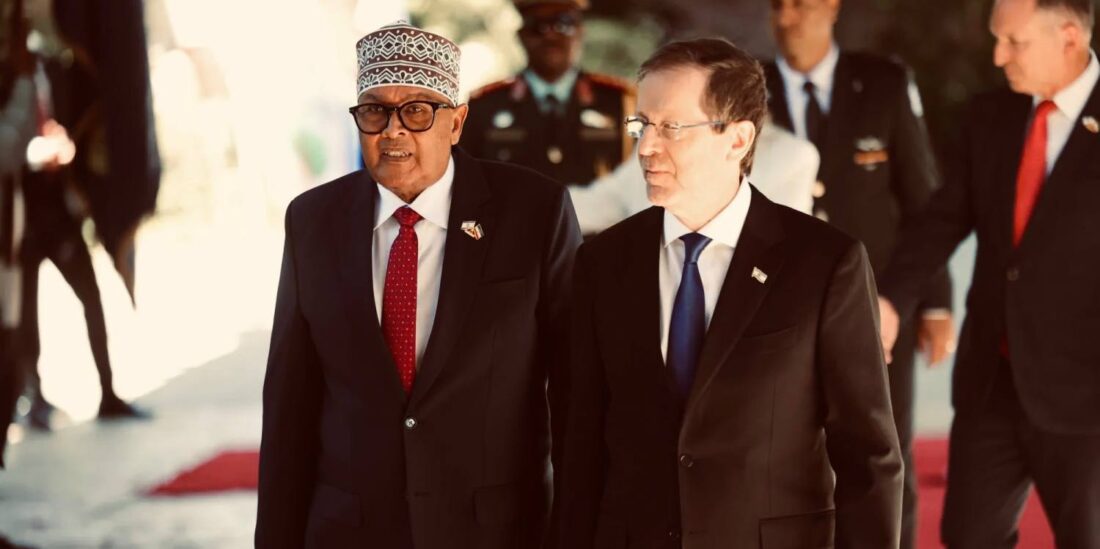
A landlocked giant’s neighbor just got a sea outlet on paper… while a self-declared independent nation in the Horn shakes hands with Israel in Jerusalem. President Irro of Somaliland lands in Israel for the first official visit. Why does this matter to you in the Horn and the world watching Red Sea security? Today on Analytica Today, we break it down and we’ve been tracking this story for months. On December 26, 2025, Israel became the first and so far only United Nations member state to formally recognize Somaliland’s independence.
Now, just six months later, Somaliland’s President Abdirahman Mohamed Abdullahi known as Irro is in Jerusalem. He’s there to open an embassy. Flags are flying. Handshakes are happening. This isn’t just diplomacy. It’s a bold move by a nation that’s been governing itself peacefully for 35 years, yet still waits for the world to say its name.
We’re diving into the history, the reactions, and what comes next especially with Ethiopia. Stick around. This could reshape the Horn of Africa.
Let’s start with the basics. Somaliland declared independence in 1991 after Somalia’s central government collapsed. They had been a separate British protectorate that united with Italian Somaliland in 1960. After years of marginalization and the devastating 1988 Isaaq Genocide under Siad Barre, the clans came together in Borama. They rebuilt their own government, currency, passports, elections, and security. Today, about 6 million people. More stable than many recognized neighbors. Al-Shabaab has little room here. Berbera Port? Upgraded with UAE help a strategic Red Sea gem.
They meet every standard for statehood. But Africa’s rule on colonial borders has kept them in limbo. Somalia says “one country.” Many Arab states back that loudly.
Yet here’s the thing: Somaliland has run a functioning, largely peaceful democracy longer than some recognized states have existed in their current form Fast forward to now. Israel’s recognition changed the game. President Irro calls this visit historic a new chapter. They’re talking security, trade, tech, agriculture, even health. Irro thanked Israel for recognizing Somaliland’s 35 years of peaceful self-rule.
war, only to hear the world say “wait your turn” while others get support. Somalilanders endured genocide and chaos, then chose democracy and stability without the massive aid Somalia receives. That resilience deserves respect yet selective silence from many who champion self-determination elsewhere stings.
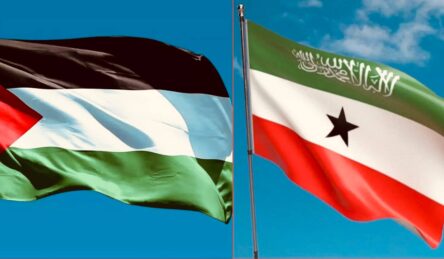
Here’s what’s new… and intense. Arab states, quick to rally for Palestine, held emergency meetings condemning Israel’s move as “illegal.” Egypt and others reaffirmed support for Somalia’s territorial integrity. Why the difference for fellow Sunni Muslims in Somaliland? Politics, pan-Arab ties, Red Sea strategy, and opposition to anything Israel touches seem to play a role. It raises tough questions about consistent principles.
Meanwhile, the visit signals momentum.
Somalilanders waving flags in celebration. A Muslim-majority democracy finding a pragmatic partner. This is resilience paying off, proof that self-rule can work where forced unity breeds fragility.
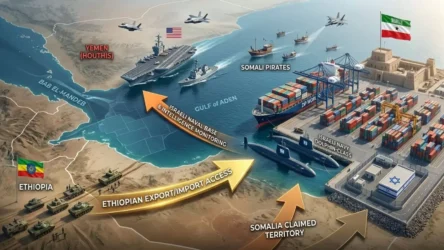
So what’s next? Ethiopia has been in talks for years. That 2024 MoU port access at Berbera in exchange for possible recognition is still on the table. Ethiopia, landlocked with growing needs, sees huge strategic value. Many analysts say recognition from Addis could follow or accelerate.
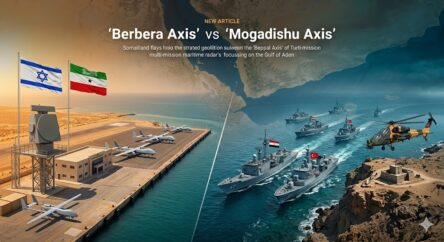
U.S. policy has also shifted, documents and congressional moves treating Somaliland as a stable, strategic partner for Red Sea security and countering rivals. Momentum is building, but full recognition isn’t guaranteed yet. Pushback from Mogadishu and fears of setting precedents remain real.
For the Horn: More recognition could bring investment, stability, and trade. But it risks tensions if not handled carefully.
President Irro’s visit to Israel is a diplomatic milestone after decades of quiet achievement. Somaliland has earned its place at the table through governance and peace. Whether Ethiopia recognizes next, or others follow, one thing is clear: ignoring functional states doesn’t bring stability rewarding it might. The Horn’s future hinges on pragmatic choices, not just old maps. Self-determination can’t be selective if we want real peace.