
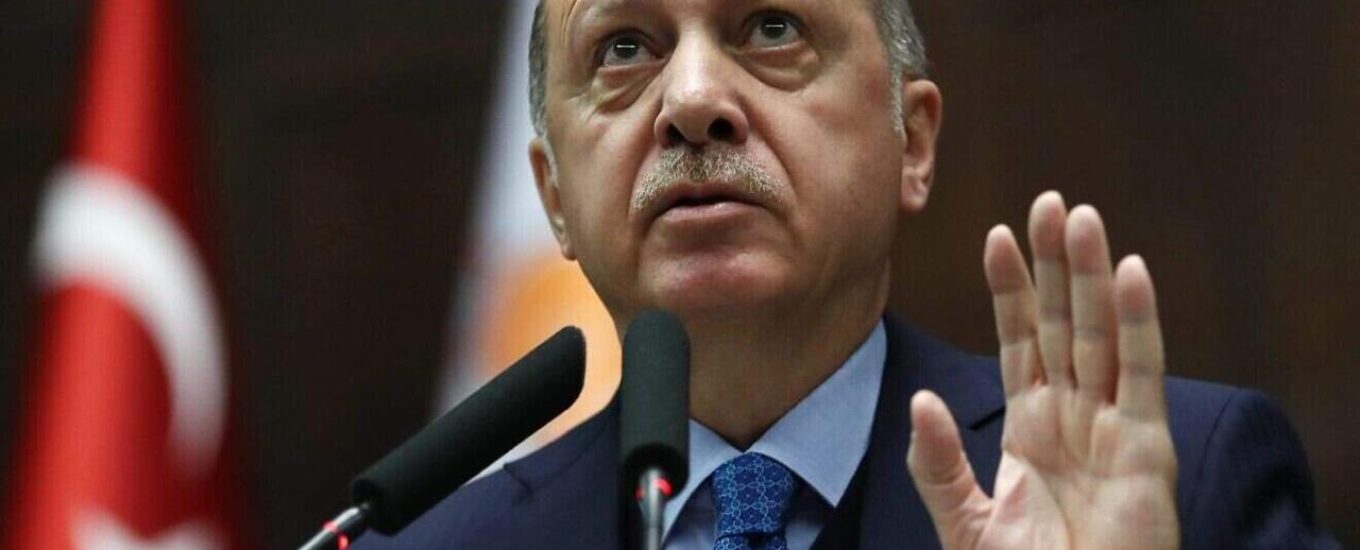

While global powers remain entangled in proxy conflicts, sanctions debates, and domestic crises, Turkey has been steadily consolidating its influence across Africa one energy deal, military base, and cultural initiative at a time. From Senegal’s oil fields to Somalia’s coastline, Ankara is executing a long-term strategy that blends economic investment, security partnerships, and soft power, positioning itself as a key player in Africa’s future.
This expansion is neither accidental nor temporary. It is a deliberate pivot, leveraging Turkey’s unique advantages: a lack of colonial baggage, flexible diplomacy, and a willingness to engage where Western and Eastern powers hesitate. As Africa’s geopolitical significance grows fueled by its vast resources, youthful population, and strategic trade routes Turkey is positioning itself as a reliable partner rather than a distant patron.
Energy Diplomacy: Securing Resources and Influence
Turkey’s energy ambitions in Africa are central to its strategy. With over 90% of its energy needs imported, Ankara is aggressively pursuing partnerships to diversify its supply chains while expanding its geopolitical footprint .
West Africa: In Senegal, state-owned Turkish Petroleum Corporation (TPAO) signed a major oil and gas exploration agreement, reinforcing Ankara’s role in the region’s energy sector. Meanwhile, Karpowership,Turkey’s floating power plant company supplies electricity to eight African nations, including Ghana and Sierra Leone, addressing critical energy deficits .
East Africa: In April 2025, Turkey inked a landmark hydrocarbon exploration deal with Somalia, covering 16,000 km² of onshore and offshore blocks. The Oruç Reis vessel is already conducting seismic surveys, with drilling expected soon .
North Africa: Turkey secured exploration rights for four offshore blocks in Libya,
merging resource extraction with diplomatic leverage in a volatile post-conflict state .
These moves are not just about energy security; they are about embedding Turkey in Africa’s
economic future.
Military and Security: Hard Power with a Strategic Edge
Turkey’s military footprint in Africa is expanding rapidly, blending arms sales, training missions, and private security operations.
Somalia: Turkey’s largest overseas military base, established in Mogadishu in 2017, serves as a training hub for Somali forces and a strategic outpost for regional influence. Ankara has supplied combat drones, helicopters, and naval assets to bolster Somalia’s fight against Al-Shabaab .
The Sahel: Following France’s withdrawal from Mali, Burkina Faso, and Niger, Turkey has stepped in, selling Bayraktar TB2 drones and deploying private military contractors from SADAT,a firm often compared to Russia’s Wagner Group to protect mining and energy interests .
Arms Exports: Turkish drones and small arms are now used in at least 15 African countries, offering cost-effective solutions for governments battling insurgencies .
This military engagement is not merely transactional; it reinforces Turkey’s role as a security guarantor in unstable regions.
Soft Power: Schools, Mosques, and Media
Beyond energy and arms, Turkey is investing heavily in cultural and religious influence.
Education: The Turkish Maarif Foundation operates 191 schools across 25 African countries, while over 60,000 African students study in Turkey on government scholarships creating a generation of future leaders with Turkish ties .
Religious Outreach: The Diyanet (Turkey’s religious affairs directorate) has built mosques in Ghana, Mali, and Djibouti, modeled after Ottoman designs, reinforcing cultural and religious
bonds .
Media Influence: TRT, Turkey’s state broadcaster, now airs programs in Hausa and Swahili, shaping narratives in local languages a stark contrast to colonial-era media dominance .
This soft-power approach fosters long-term loyalty, ensuring Turkey’s influence extends beyond government deals.
Why Africa? Why Now?
Turkey’s Africa push aligns with broader global shifts:
1. Declining Western Influence: As Europe grapples with internal divisions and the U.S. pivots to Asia, Turkey sees an opportunity to fill the vacuum .
2. China’s Belt and Road Slowdown: African nations are reassessing debt-heavy Chinese investments, opening doors for alternatives like Turkey’s flexible, mid-sized projects .
3. Economic Necessity: With foreign trade accounting for 50% of Turkey’s GDP, Africa’s growing markets and raw materials are critical for Ankara’s economic survival .
Challenges and Rivalries
Turkey’s expansion is not without risks:
Overextension: Balancing commitments in Libya, Somalia, and the Sahel could strain Turkey’s resources.
Competition: The UAE, France, and Russia are pushing back. French media, for instance, have criticized Turkey’s “neo,Ottoman” ambitions .
Blowback: Jihadist groups like JNIM now label Turkey as an enemy due to its counterterrorism operations .
Conclusion: Africa as the New Geopolitical Board
Turkey’s Africa strategy reflects a fundamental truth: the continent is no longer a pawn in global power games but the board itself. By combining energy deals, military partnerships, and cultural outreach, Ankara is positioning itself as a key architect of Africa’s future,one built on mutual interests rather than paternalism.
The question is no longer whether Africa will rise, but who will rise with it. For now, Turkey is betting heavily on being part of that ascent.