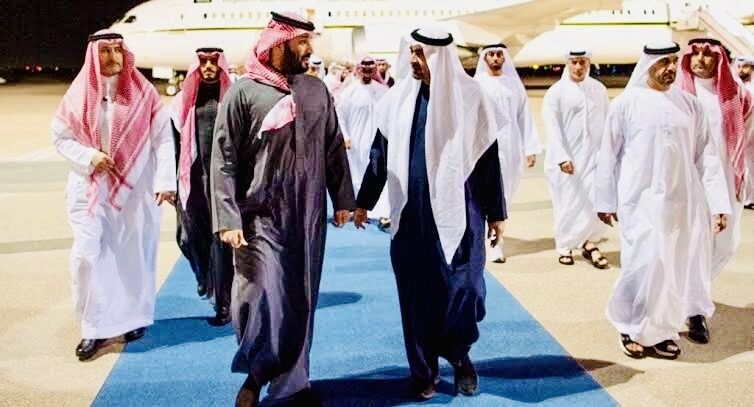
“From a bird’s-eye view, the global energy market just fractured. On May 1, 2026, the UAE officially exited OPEC, ending 60 years of solidarity. But just 24 hours earlier, in Addis Ababa, a different headline broke: Ethiopia’s diesel supply was suddenly restored to 100%. Is this a lucky coincidence, or are we witnessing a deeper shift where Gulf rivalries are quietly securing Ethiopia’s energy future? Today, we analyze the friction between Abu Dhabi and Riyadh, and what it means for your pocketbook.”
“For decades, Saudi Arabia has used OPEC to project power. But the UAE is tired of production quotas. They’ve invested billions in capacity and they want to pump oil on their own terms. This isn’t just about numbers; it’s a fundamental break in Gulf strategy. With the 2026 Iran war straining traditional routes, the UAE is prioritizing flexibility over Saudi-led consensus.”
“Why did our diesel supply jump from 4.5 million to 9 million liters overnight? While the ‘Port War’ and logistics are part of the story, the UAE’s production-maximizing strategy is the x-factor. Independent producers operating outside of cartel discipline prioritize volume and reliable export partners. For a nation like Ethiopia, which is 95% dependent on these routes, a fragmented OPEC might actually mean better fuel security.”
“As Saudi Arabia and the UAE compete for influence in the Horn of Africa, Ethiopia moves from being a passive bystander to a strategic beneficiary. Whether it’s infrastructure in Berbera or fuel deals in Addis, the friction in the Gulf is opening doors for bilateral energy agreements that were once impossible under OPEC’s shadow.”
“The era of monolithic Gulf power is over. In 2026, stability for Ethiopia is found in the gaps between rival powers. Should Ethiopia lean closer to the UAE’s independent energy strategy, or stay balanced with Saudi interests?