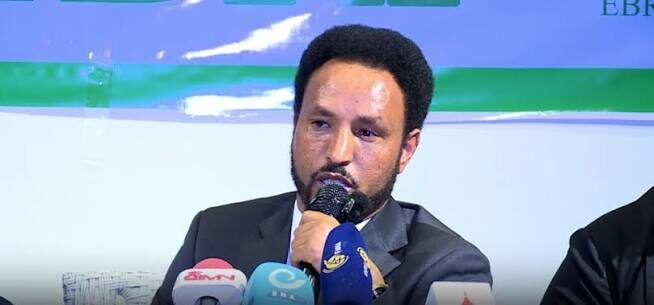
In the vast and challenging terrain of Eritrea, developments involving opposition movements have drawn renewed attention to the country’s political landscape. Brigade N’Hamedu, an opposition movement, has reported expanding its activities into remote areas, describing its efforts as part of a broader campaign for political change. The movement also points to growing participation among Eritreans and efforts to establish a more structured organizational presence. These developments reflect continuing debates over the nature, direction, and future of political opposition in Eritrea.
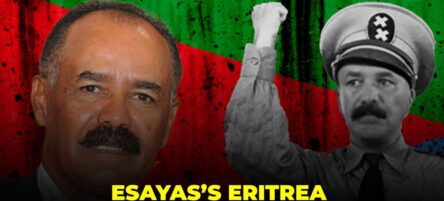
Mesfin Hagos, a veteran of Eritrea’s independence struggle and former Minister of Defence, has offered a critical assessment of the country’s political trajectory. In his recent remarks, he argued that President Isaias Afwerki’s government has maintained a prolonged state of political and security uncertainty, which, in his view, has contributed to the continuation of centralized political authority. His position raises broader questions about the relationship between national security, political governance, and the prospects for reform.
Mesfin joined the armed struggle in 1967 and played a role in Eritrea’s liberation movement. Following independence in 1991, he served in senior government positions, including Minister of Defence. In 2001, he became associated with the G-15 group of senior officials who called for constitutional implementation, greater government accountability, and political reform. The subsequent political developments led to the detention of several members of the group, marking a significant turning point in Eritrea’s post-independence political history.
Eritrea’s independence in 1991 followed approximately three decades of armed struggle against Ethiopian rule. The liberation movement was driven by demands for self-determination, political sovereignty, and national independence. However, the country’s post-independence political development has remained highly centralized. Despite the adoption of a constitution in 1997, it has not been implemented in practice. The country has also not held national elections since independence, while political parties outside the ruling establishment remain restricted.
These circumstances have shaped ongoing discussions about the relationship between the objectives of the independence struggle and the country’s current governance arrangements. For many Eritreans, questions surrounding constitutional governance, political participation, and institutional accountability remain central to discussions about the country’s future.
The country’s political and socioeconomic conditions have also contributed to significant migration. Eritreans continue to leave the country for various reasons, including concerns about political freedoms, economic opportunities, and the duration of national service. The latter, initially established as a national obligation, has remained a major subject of domestic and international criticism due to its prolonged and often indefinite nature.
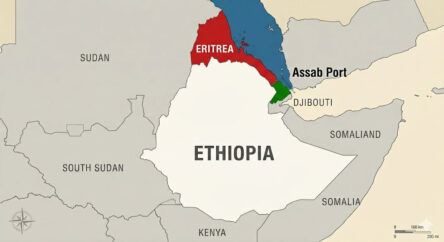
From the government’s perspective, national security considerations and regional instability have historically played a significant role in shaping domestic policies. Eritrea’s geopolitical environment, including its experience of conflict and tensions with neighboring countries, has influenced its approach to security and governance. Nevertheless, the balance between national security priorities and citizens’ political and socioeconomic rights remains an important subject of debate.
The question of constitutional implementation is particularly significant. A functioning constitutional framework, independent institutions, and predictable legal processes are widely recognized as important elements of accountable governance. Similarly, political participation, freedom of expression, and institutional accountability remain central considerations in discussions about long-term stability and national development.
Mesfin Hagos and other former officials who have called for political reform represent one strand of the broader debate over Eritrea’s post-independence trajectory. Their positions reflect differences within the country’s former liberation leadership regarding governance, constitutionalism, and the direction of the state. These disagreements illustrate that debates about Eritrea’s political future extend beyond the traditional government-opposition divide and include questions about the legacy and institutional direction of the independence movement itself.
Looking ahead, Eritrea faces several interconnected challenges: strengthening institutional governance, addressing the prolonged national service system, expanding economic opportunities, and considering avenues for greater political participation. Any sustainable reform process would also need to account for the country’s security environment, historical experiences, and the perspectives of Eritreans both within the country and in the diaspora.
More broadly, Eritrea’s future will be shaped by how it navigates the relationship between sovereignty, national security, constitutional governance, and political development. The legacy of the independence struggle remains a defining element of national identity, while the country’s contemporary circumstances continue to generate debate about the institutional arrangements necessary for its next phase of development.
Ultimately, Eritrea’s political trajectory remains an important question of governance, national identity, and institutional development. How the country addresses these issues will have significant implications for its domestic stability, regional relations, and long-term future.