Somalia’s Diplomatic Firewall vs. Somaliland’s New Reality
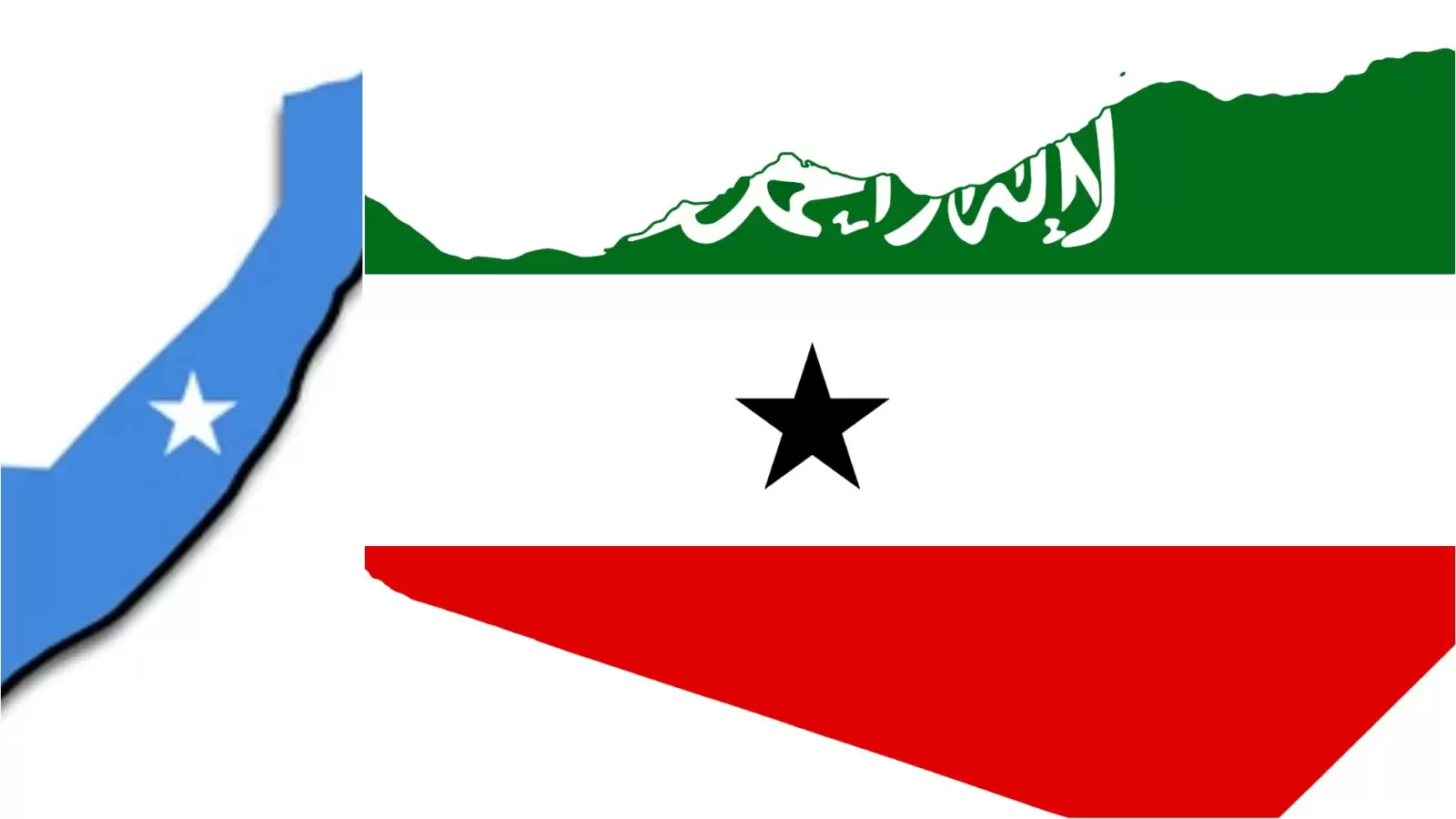
For more than three decades, Somaliland has governed itself as a de facto independent state holding elections, issuing its own currency, maintaining security, and building institutions while Somalia’s federal government in Mogadishu struggled with instability. The missing piece was always formal recognition. That equation shifted dramatically in December 2025 when Israel became the first United… Continue Reading →
Patience as Power: How Ethiopia Navigates the Eritrean Border Crisis
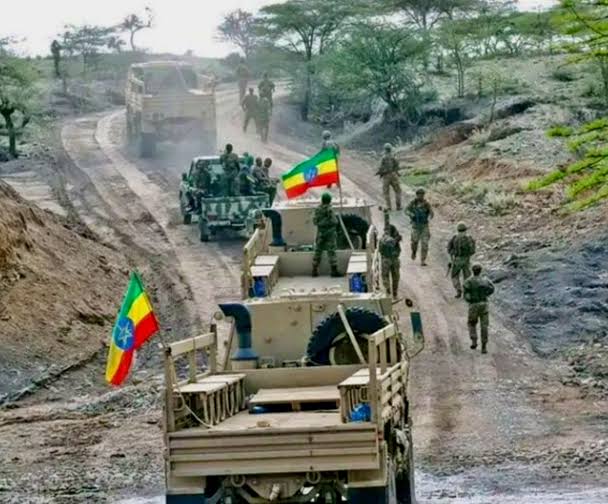
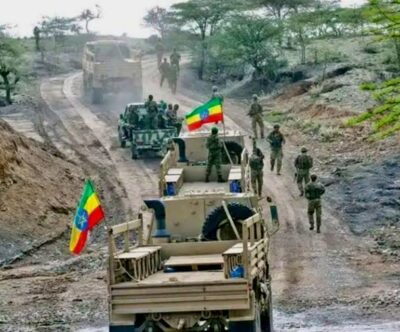
In the volatile Horn of Africa, few nations have demonstrated the strategic restraint that Ethiopia has shown toward its northern neighbor, Eritrea. Despite repeated provocations territorial incursions, support for armed groups inside Ethiopian borders, and open displays of defiance Addis Ababa has largely prioritized diplomacy, internal development, and the avoidance of full-scale war. This patience… Continue Reading →
The TPLF’s Illusion of Protection: Why Elite Power Retention Is Holding Tigray Hostage
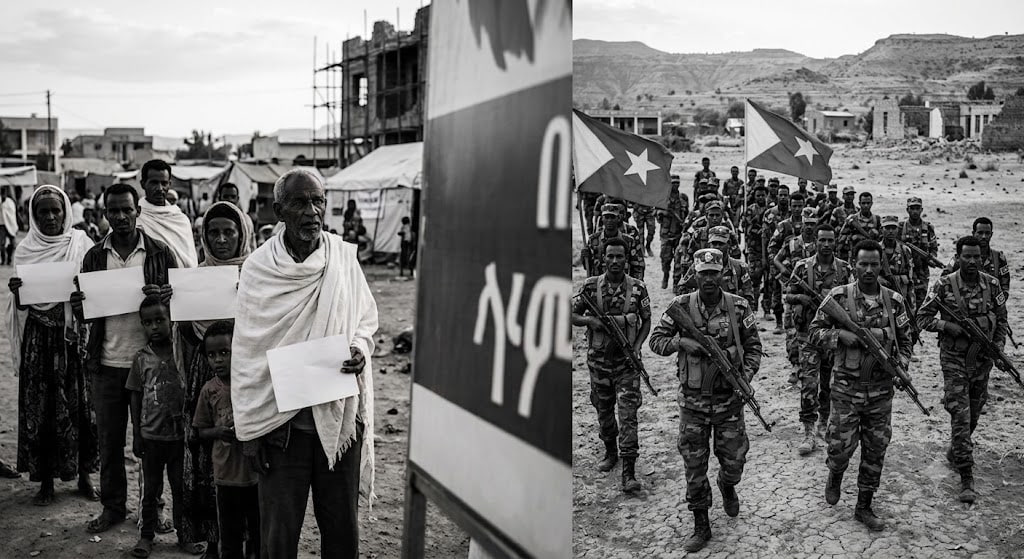
The struggle over Tigray’s future is increasingly a struggle over competing visions of power. While TPLF hardliners present themselves as the guardians of Tigrayan interests, their actions have often prioritized preserving party dominance, ideological continuity, and political leverage over post-war recovery. The debate is no longer only about representation, but whether elite survival has come… Continue Reading →
From Suspension to Re-Engagement: Can IGAD break Sudan’s War Machine
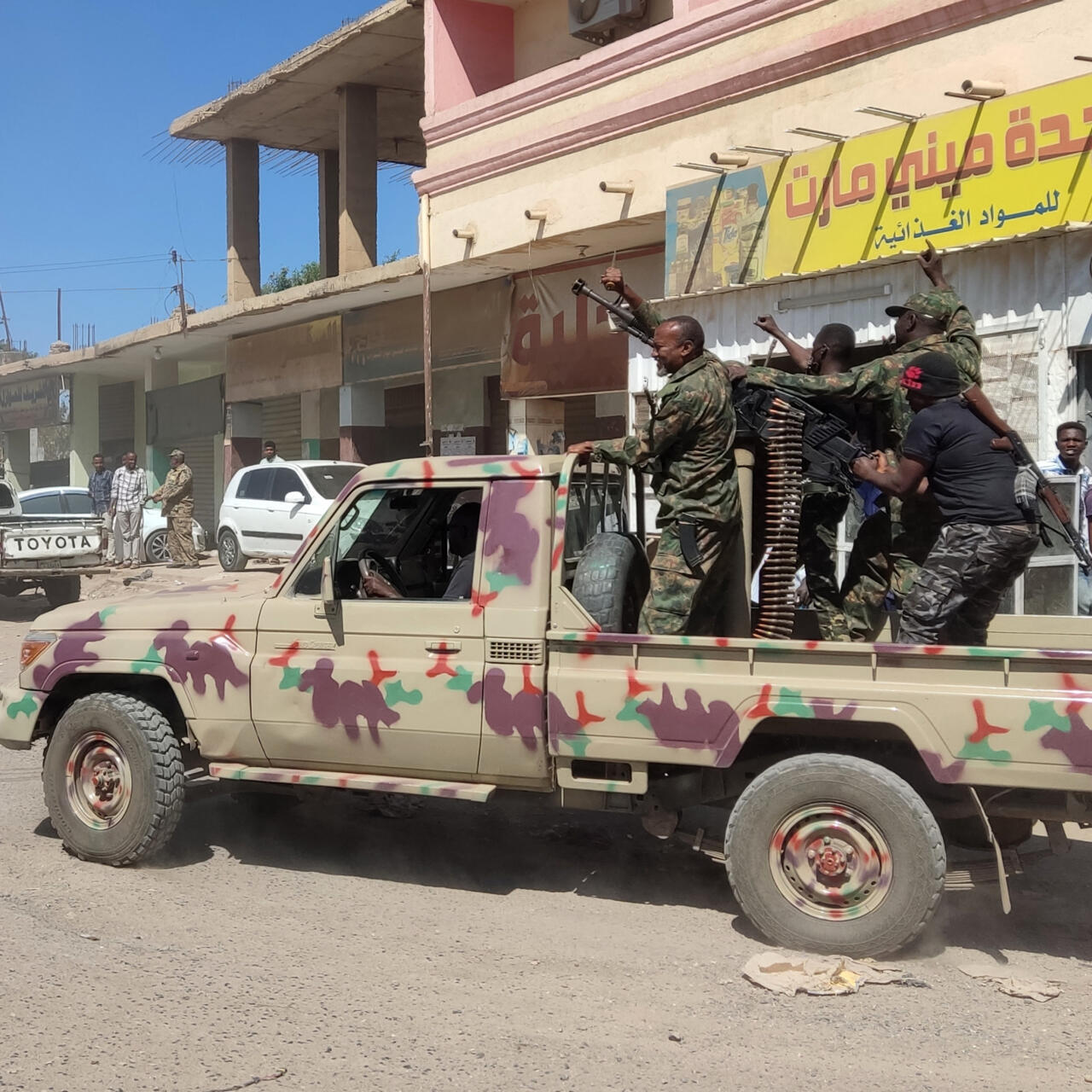
A significant recalibration of regional diplomacy is unfolding in the Horn of Africa. The Intergovernmental Authority on Development (IGAD) has formally restored its presence in Sudan’s capital marking a calculated return to engagement with a country that had previously accused the bloc of overreach. The reopening of IGAD’s mission in Khartoum comes on the heels… Continue Reading →
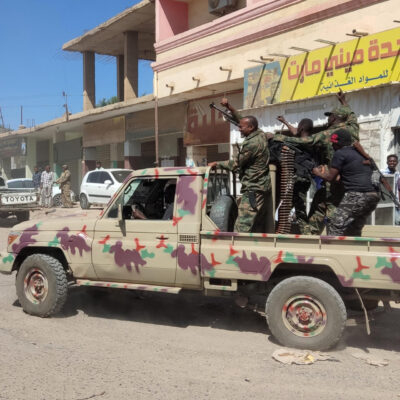
Who Will Pay for Somalia’s Next War?
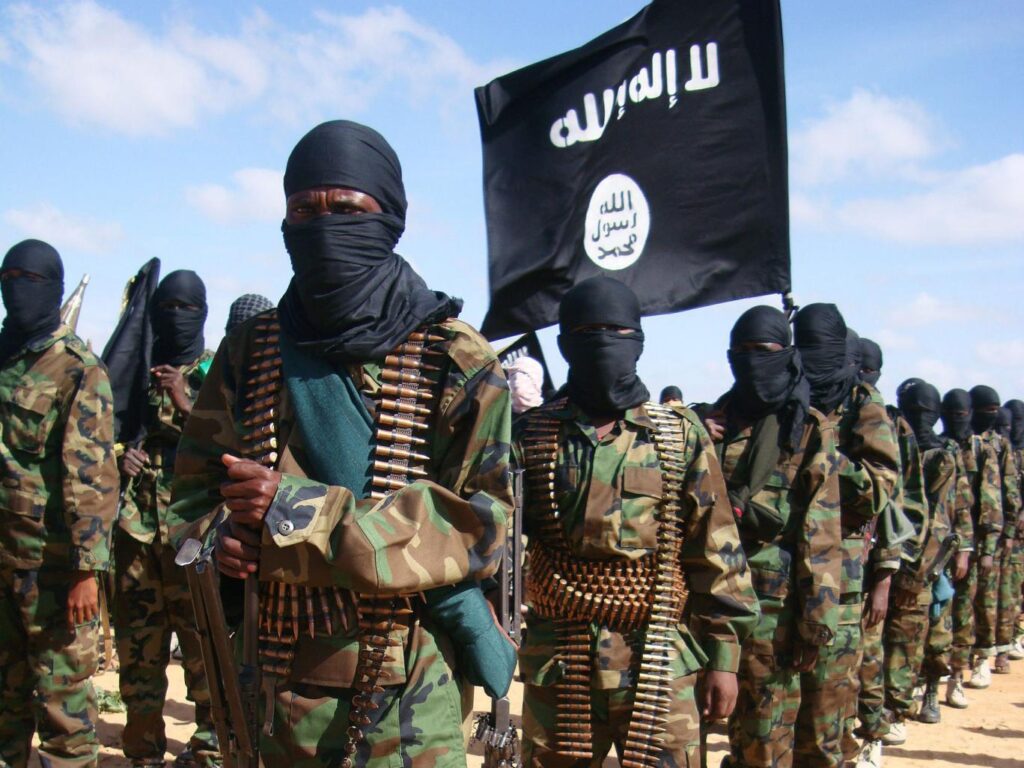
The future of Somalia’s security mission is entering a critical phase, and the biggest question may not be who will fight Al-Shabaab, but who will pay for the fight. Troop-contributing countries have gathered in Kampala as the African Union Support and Stabilization Mission in Somalia, known as AUSSOM, faces a problem that has followed African… Continue Reading →
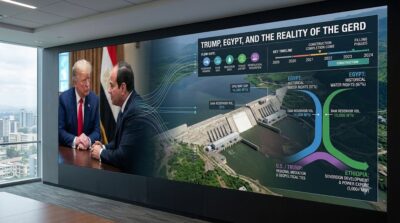
Trump, Egypt, and the Reality of the GERD
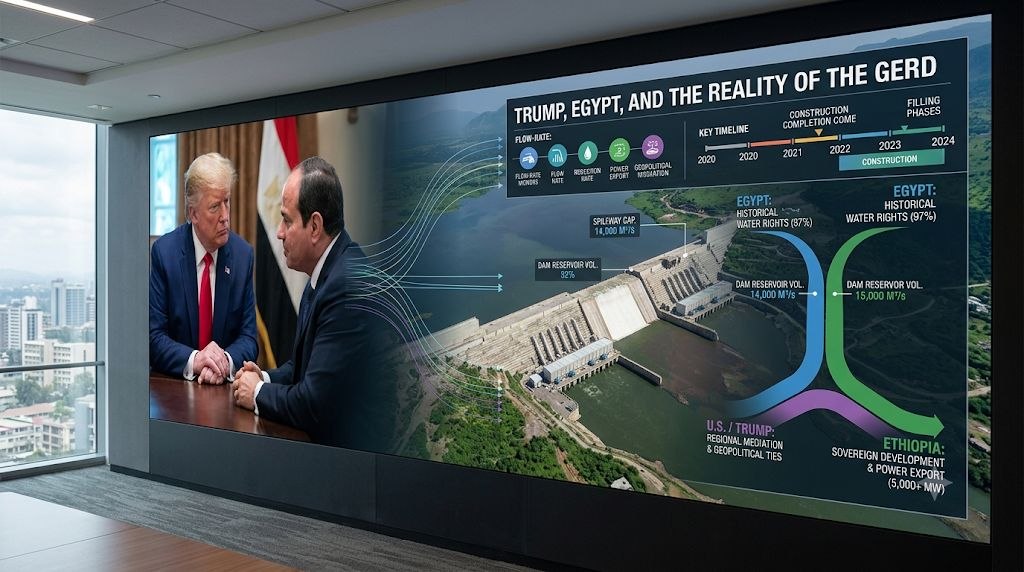
As Washington shifts its foreign policy priorities, President Donald Trump’s inclination toward Cairo is gaining momentum due to Egypt’s key role in managing the Gaza crisis. However, Cairo’s effort to leverage this alliance against Addis Ababa collides with a hard reality: the Grand Ethiopian Renaissance Dam (GERD) is no longer a bargaining chip, but a… Continue Reading →
Ethiopia’s Rising Strategic Importance: Why the World Is Paying Attention
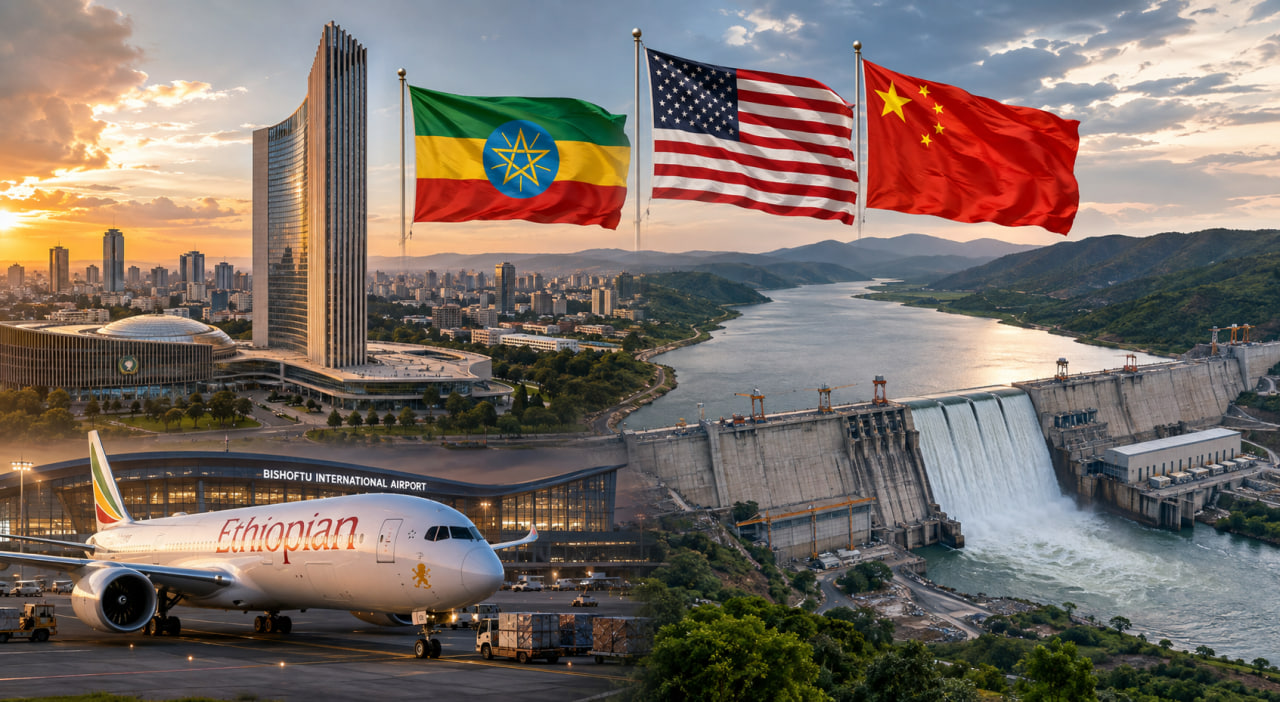
From Infrastructure to Climate Diplomacy, Ethiopia Is Emerging as a Key Strategic PlayerWhat do a proposed $12.5 billion international airport, a bid to host COP32, and renewed diplomatic engagement surrounding the Grand Ethiopian Renaissance Dam (GERD) have in common?At first glance, very little.One is a landmark aviation infrastructure project. Another is a global climate diplomacy… Continue Reading →
Why Ethiopia Is Calling for Africa to Become a “Strategic Actor”
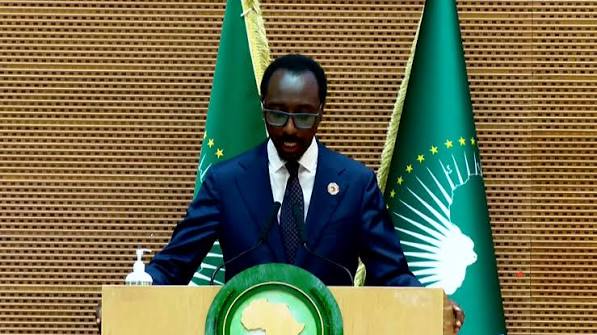
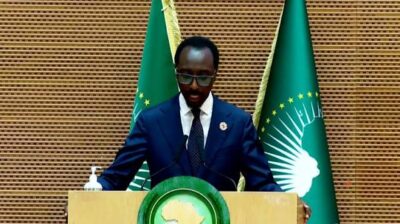
Africa is being told to become a “strategic actor” in global politics That may sound like rhetoric but it reflects a deeper reality As global power competition intensifies, the question is no longer whether Africa will beinvolved. It is whether it will shape events or be shaped by them. At the 49th Ordinary Session of… Continue Reading →
PM Abiy Ahmed’s AMICO Interview: A Focus on History, Unity, and Reform
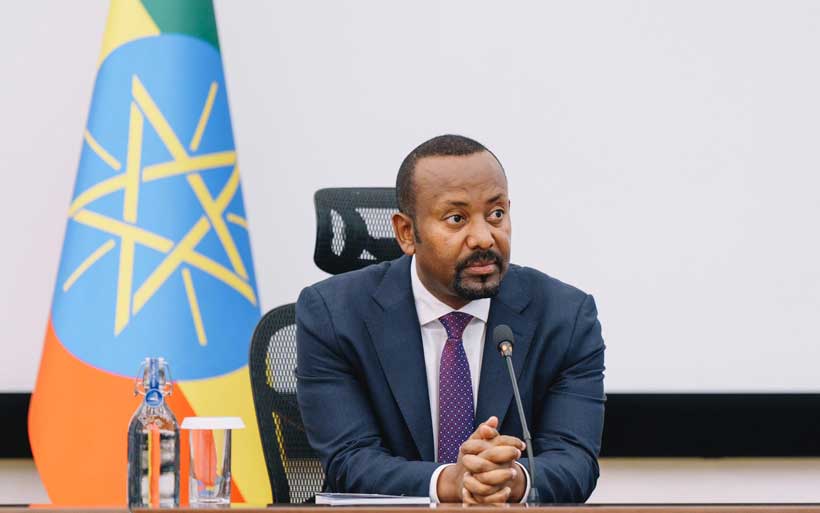
In a notable display of openness and direct communication, Prime Minister Dr. Abiy Ahmed sat down for a comprehensive, nearly hour-long interview with Amhara Media Corporation (AMICO) on July 31, 2026. This Part 1 installment exemplifies genuine engagement, as the Prime Minister addresses sensitive political, economic, and social issues affecting the Amhara region and the… Continue Reading →