The Vote Is Over What Do Ethiopians Expect from the Winning Party?
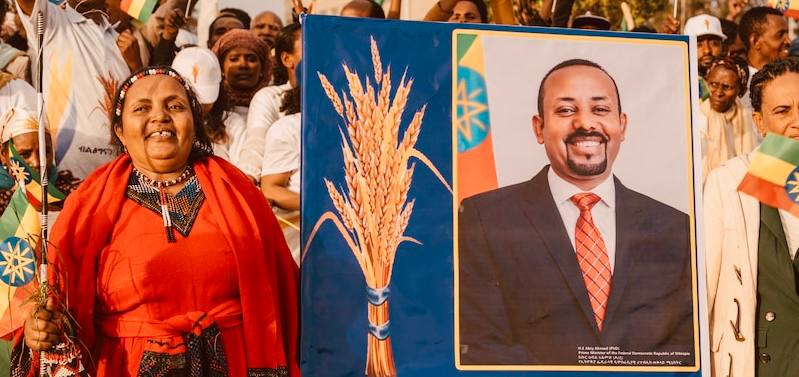
As polls closed on June 1, 2026, in Ethiopia’s seventh general election, the outcome appeared largely predictable. Prime Minister Abiy Ahmed’s Prosperity Party (PP) is widely expected to secure another commanding majority in parliament. While voting was suspended in some parts and did not take place in Tigray due to security concerns, the long lines… Continue Reading →

Here We Go Again: Ilhan Omar’s Latest Lecture on Ethiopian Sovereignty

On Election Day in Ethiopia, the battle wasn’t just over votes, it was also over narratives. And once again, Congresswoman Ilhan Omar found herself at the center of a growing controversy in the Horn of Africa. Once more, U.S. Congresswoman Ilhan Omar has inserted herself into the internal affairs of Ethiopia, issuing a statement that… Continue Reading →

Egypt’s Dual Role in Sudan Peacemaker or Combatant?
In the complex theater of Sudan’s civil war, few actors embody contradictions as starkly as Egypt. Cairo chairs and hosts major peace initiatives while simultaneously providing direct military support to the Sudanese Armed Forces (SAF) against the Rapid Support Forces (RSF). This duality raises fundamental questions about the nature of international diplomacy in proxy-influenced conflicts…. Continue Reading →
Seven Years of Abiy Ahmed The Projects That Changed Ethiopia

One of the most unique and remarkable characteristics of the Ethiopian government is its ability to complete projects, regardless of their scale, within or even ahead of the planned timeframe. Since Prime Minister Abiy Ahmed assumed office in 2018, Ethiopia has embarked on an ambitious journey of infrastructure development, economic transformation, and urban renewal. Over… Continue Reading →

Africa’s Peacekeeper Weakened by Geopolitical Rivalries
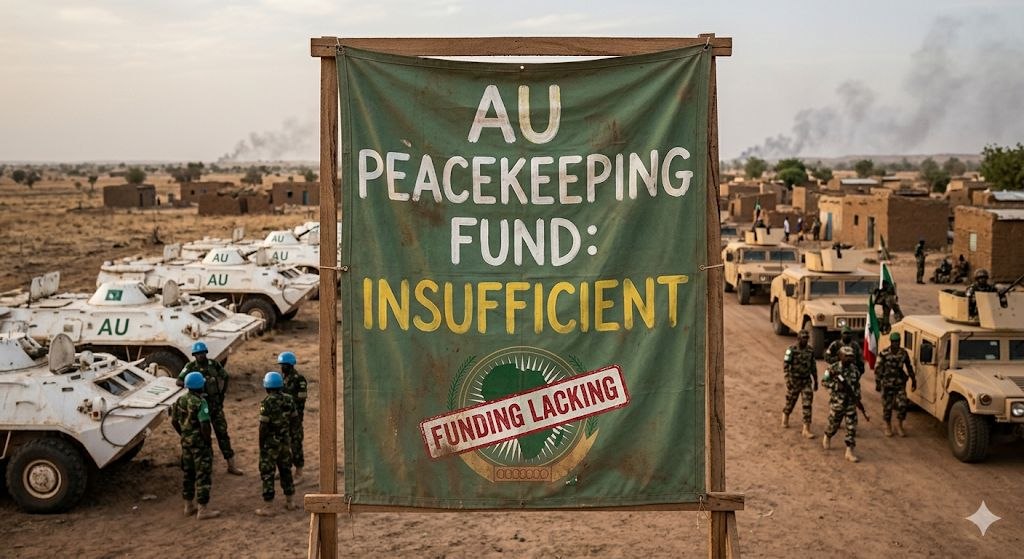
A new report by the Stockholm International Peace Research Institute (SIPRI) warns that multilateral peacekeeping operations are facing an unprecedented crisis due to geopolitical rivalries, political disagreements, and severe funding shortages. According to the report, these challenges are undermining global conflict-management efforts, particularly in Sub-Saharan Africa, where peacekeeping missions remain heavily concentrated. Ahead of the… Continue Reading →
Human Rights Overshadowed by Red Sea Geopolitics
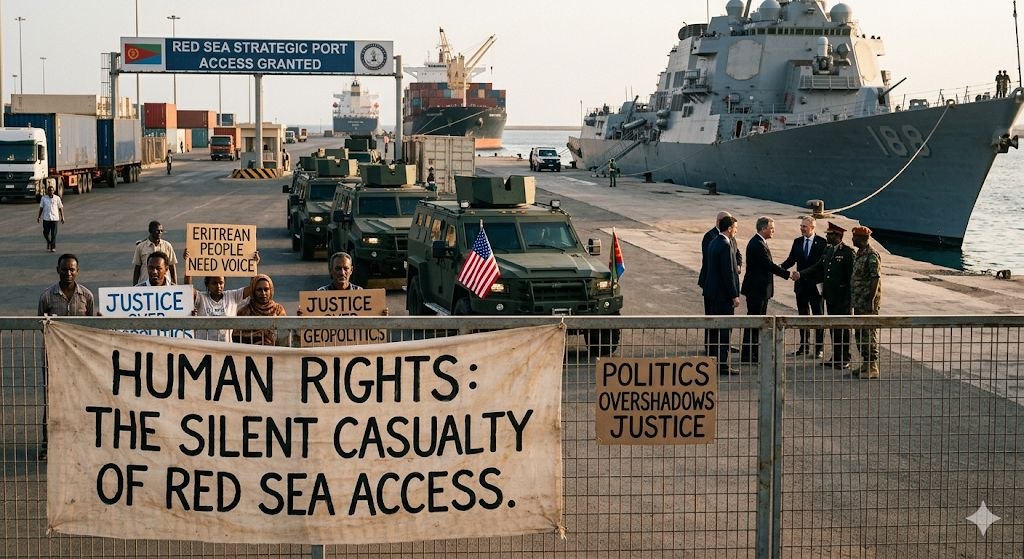
The war launched by the United States and Israel against Iran has sent shockwaves through the global economy. The disruption of the Strait of Hormuz has affected energy supplies, shipping routes, and international trade. Iran’s threat to close the Bab el-Mandeb Strait one of the world’s most critical maritime chokepoints connecting the Red Sea and… Continue Reading →
The Reality of Abiy Ahmed’s Sovereignty Project

The Economist’s recent piece on Ethiopian Prime Minister Abiy Ahmed portrays his aspirations for national “sovereignty” and remaking Ethiopia in his image as distant dreams at best, and risky centralization at worst. It frames his re-election widely expected on June 1, 2026 against a backdrop of instability, ethnic tensions, and unfulfilled promises. While legitimate concerns… Continue Reading →

The Return of Somali Piracy: A New Threat to Global Trade

Imagine massive container ships and oil tankers, already forced into a punishing detour around the southern tip of Africa to avoid Houthi missiles in the Red Sea and tensions near the Strait of Hormuz, now sailing straight into another danger zone: the pirate-infested waters off Somalia’s 3,300-kilometer coastline. What was meant as a safer alternative… Continue Reading →

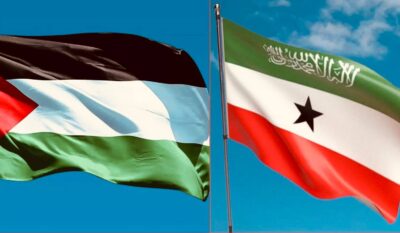
The Selective Solidarity of Arab States Palestine’s Cause vs. Somaliland’s Silence
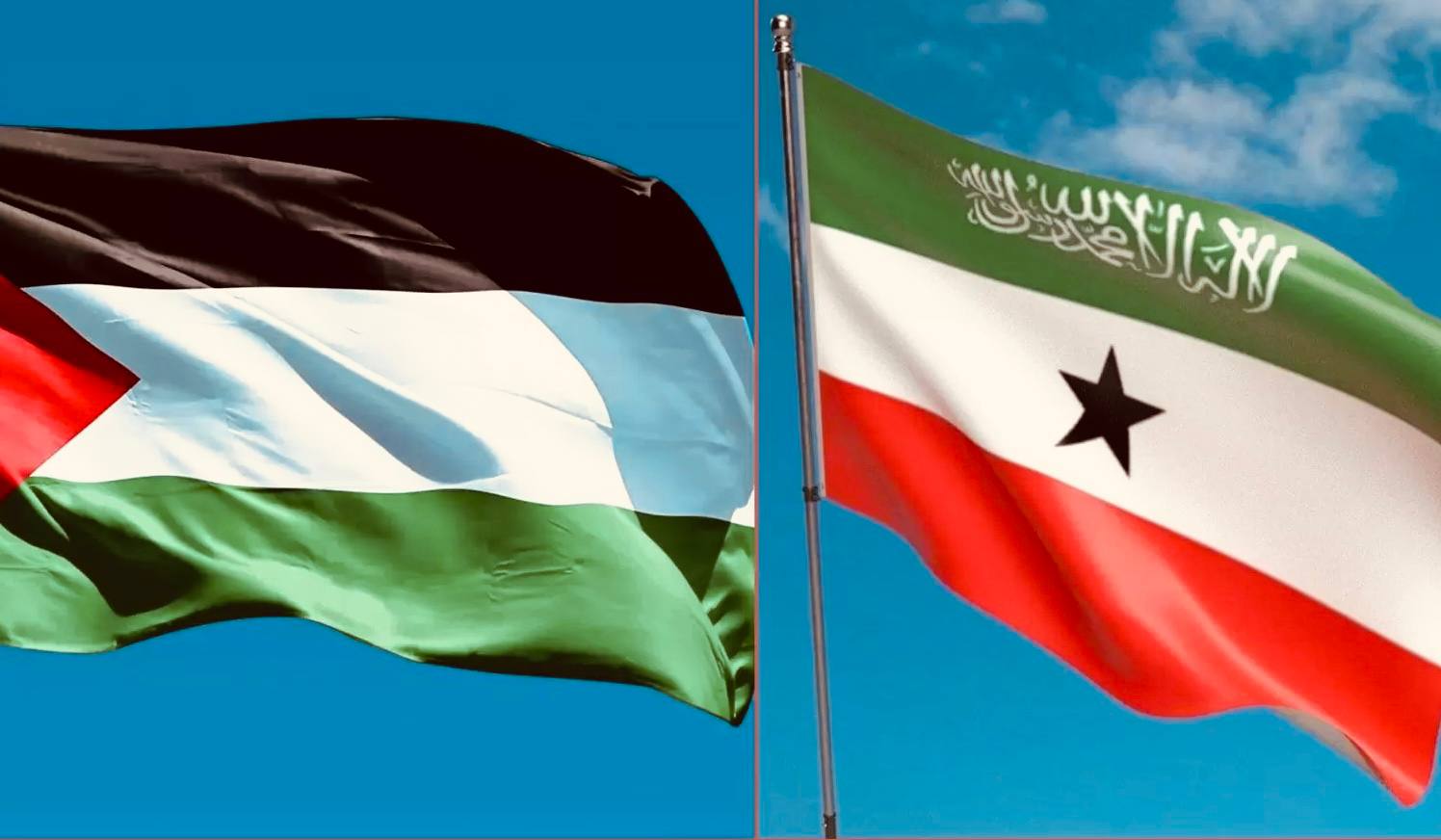
In the grand theater of international diplomacy, few causes ignite Arab League capitals like the Palestinian quest for self-determination. From Cairo to Riyadh, Baghdad to Algiers, flags wave, resolutions pass, and rhetoric burns with passion for a people’s right to dignity, statehood, and freedom from occupation. Yet, just across the Gulf of Aden, another story… Continue Reading →